


Fabric Fireside Chair
A fabric fireside chair brings low seating and soft upholstery to the hearth, offering comfort and period character.
Fabric Fireside Chair
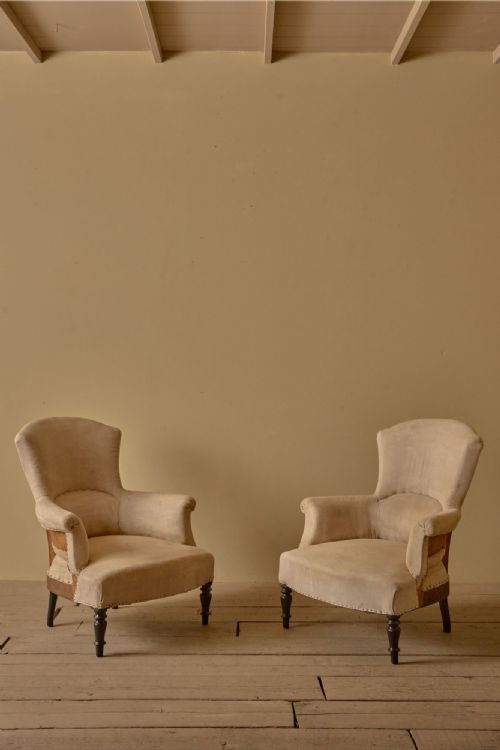
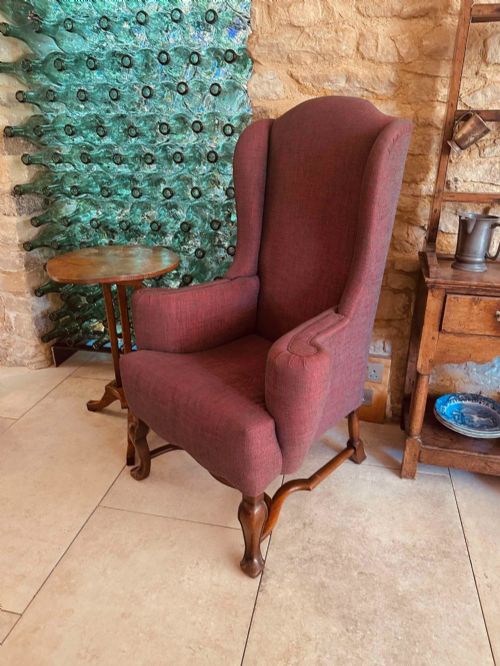
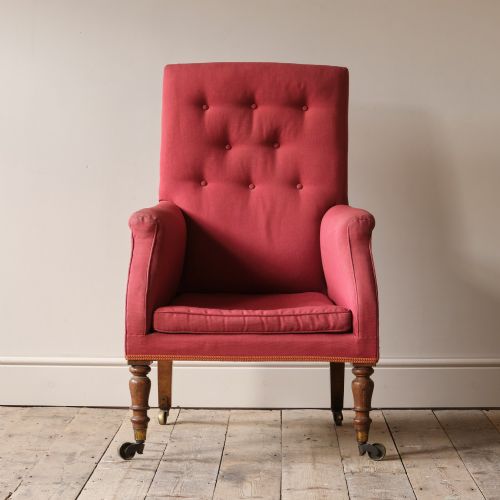
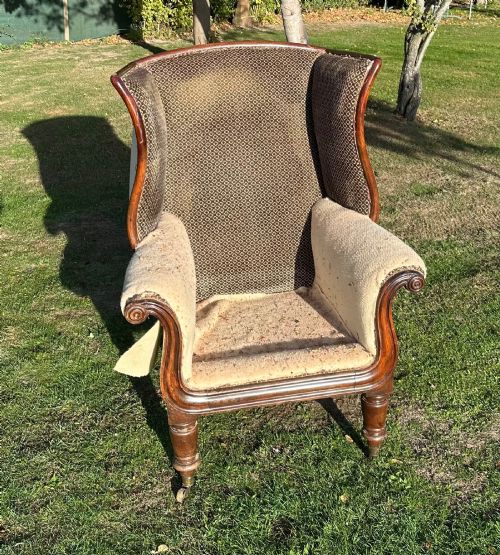
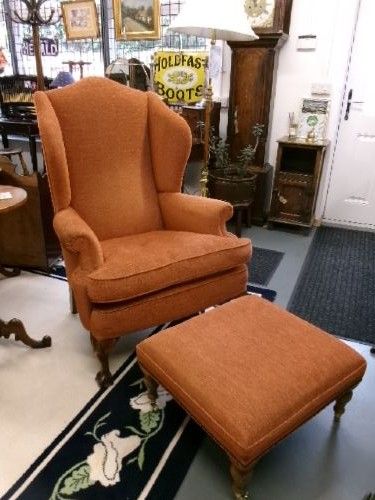
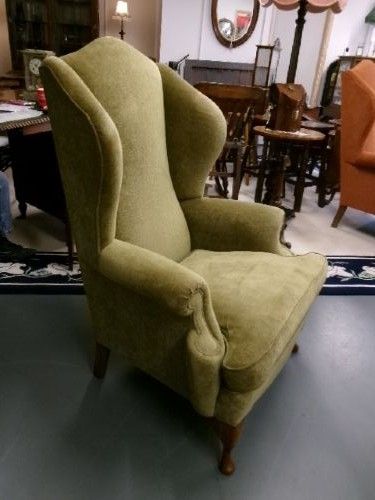
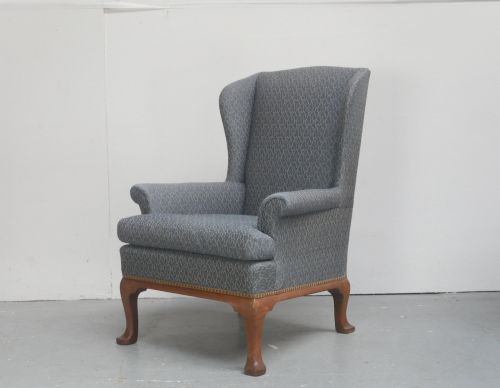
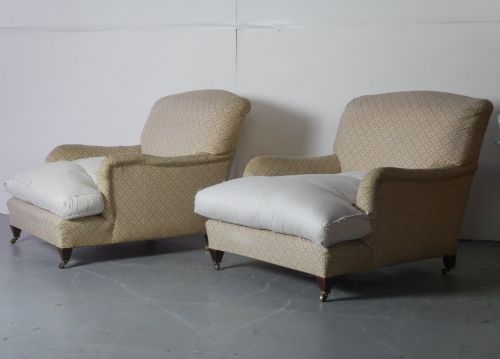
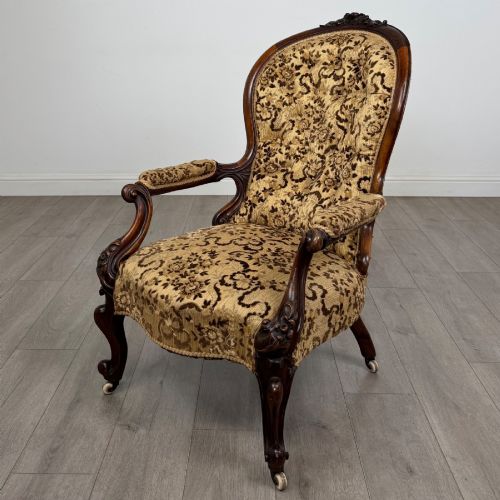
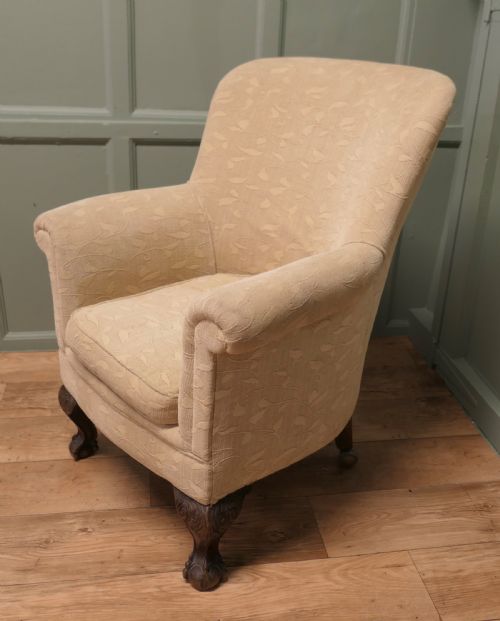
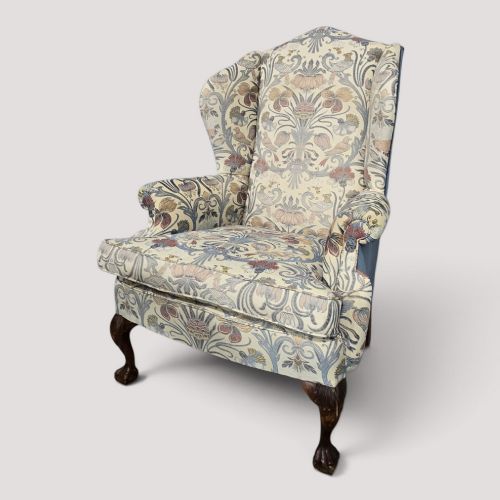
When searching for a fabric fireside chair, expect to encounter low-slung armchairs, wingback forms, and nursing chairs designed for warmth near the hearth. The selection spans the nineteenth century through the 1930s, encompassing Victorian, Edwardian, and Georgian style pieces.
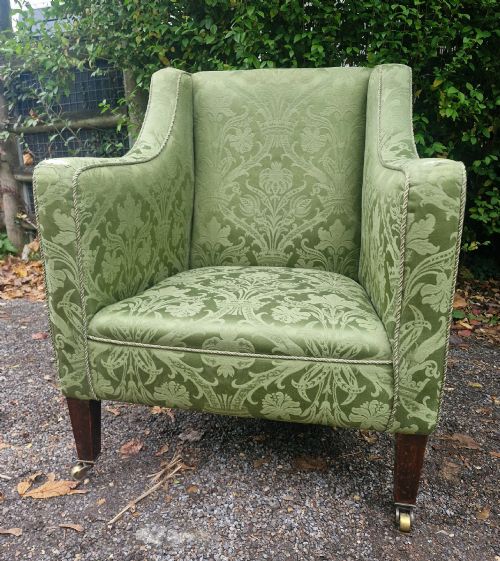
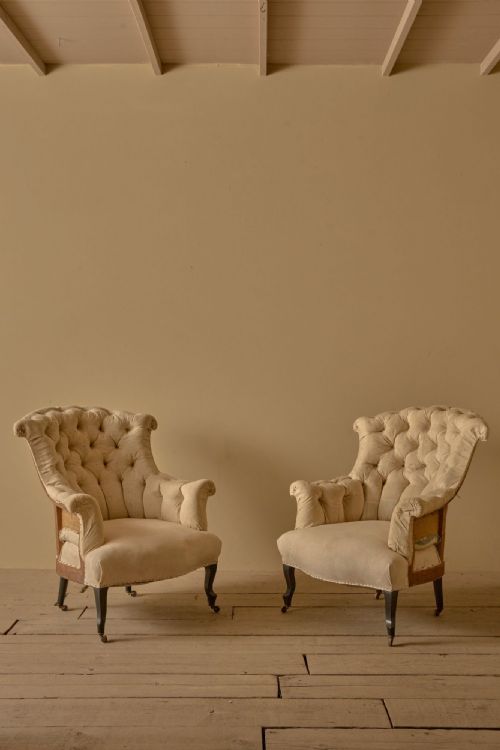
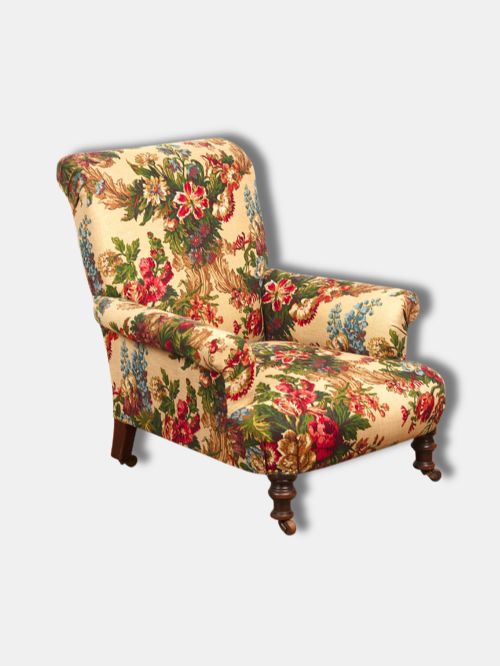
Most examples rely on generous upholstery in calico or patterned fabric, paired with timber frames in mahogany, walnut, or standard wood. Forms range from French club chairs and Napoleon III spoon back designs to traditional wingbacks and barrel backs.
Origin varies between English workshops, Scottish makers, and French ateliers. Buyers frequently meet Victorian button-backed armchairs and early twentieth-century library or club chairs suited to domestic sitting rooms.
Construction and materials
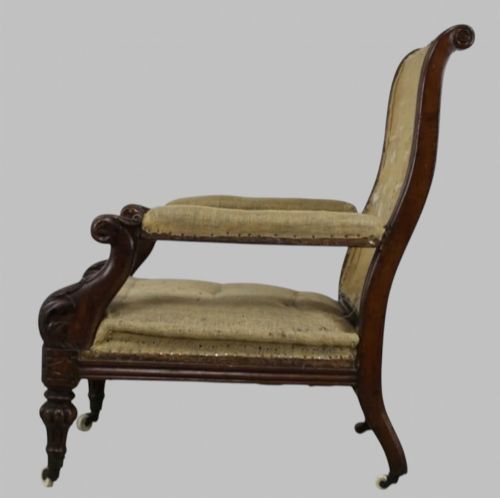
Frames are built from hardwoods like mahogany and walnut, or general timber, providing structural stability beneath the padding. Metal elements such as brass components appear occasionally in castors or fixings.
Upholstery employs fabrics including calico, crewelwork, and patterned textiles stretched over internal stuffing. Carved wooden details on arms, legs, and frames showcase traditional joinery and shaping techniques from the nineteenth and early twentieth centuries.
Fabric Fireside Chair Retail Price Guide 2026
Typical asking prices for fabric fireside chair among the pieces listed under this phrase on Sellingantiques today, from the lower quarter to the upper quarter. They describe what is for sale here now, not the wider market.
Listings feature mahogany, walnut, and brass alongside calico and various patterned fabrics across Victorian and Edwardian periods.
Judging quality
Quality rests on the integrity of the wooden frame and the precision of the carving in styles such as Queen Anne Revival or Georgian reproductions. Firmness of the upholstery and the choice of textile material also dictate the standard of the piece.
Proportion and scale distinguish finer iterations, such as large wing chairs or neatly balanced tub chairs, from simpler workshop output. Maker attribution, visible in pieces associated with firms like Whytock and Reid or Howard and Sons, elevates a chair's standing.
Whytock and Reid·Howard and Sons
The Fabric Fireside Chair Glossary
- Wingback
- An armchair with side panels designed to shield the sitter from draughts. These projections are characteristic of fireside seating from the eighteenth century onwards.
- Button back
- An upholstery technique where depressions are secured with buttons pulled deep into the padding. This method creates a diamond-patterned texture seen on Victorian and Napoleon III armchairs.
- Spoon back
- A chair back carved into an oval contour resembling the bowl of a spoon. This silhouette is typical of mid-nineteenth-century seating.
- Calico
- A plain-woven cotton fabric frequently used as an inner upholstery cover or foundation layer. It provides a sturdy base for decorative top textiles.
- Crewelwork
- Embroidery executed with wool yarn on a plain-woven fabric. It frequently decorates period upholstery with traditional floral or botanical motifs.
Fabric Fireside Chair: Frequently Asked Questions
What is a fabric fireside chair?
A fabric fireside chair is a low-seated armchair designed for warmth and comfort near a fireplace. These pieces generally feature upholstered backs and arms supported by wooden frames.
Examples range from nineteenth-century Victorian wingbacks to early twentieth-century club chairs.
How do I clean the fabric?
Cleaning depends entirely on the textile used, whether it is modern replacement fabric, original crewelwork, or simple calico. Professional textile cleaning is usually recommended for antique upholstery.
Avoid using harsh liquids on older wooden frames while attending to the fabric.
Are these chairs comfortable for daily use?
Most period armchairs offer deep seating and padded support suited to relaxation. Comfort levels vary based on the original internal padding and whether the piece has been re-upholstered.
Wingbacks and club chairs typically provide substantial back support.
How do I identify Victorian styles?
Victorian chairs often display darker woods like mahogany and walnut, alongside carved frames and button-backed upholstery. Common forms include nursing chairs, spoon backs, and gentleman's armchairs with scroll arms.
Proportions tend to be robust and decorative elements reflect revivalist tastes.
Can these chairs fit modern rooms?
Their classic proportions allow them to sit comfortably alongside contemporary furniture in living spaces and studies. Wingbacks and club chairs serve as strong focal points near fireplaces or in corners.
Checking dimensions ensures the scale matches your room layout.