
Extended Mahogany Conference Table
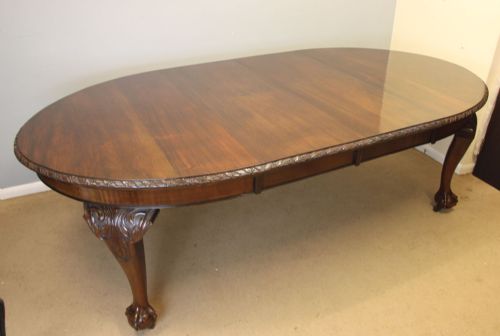
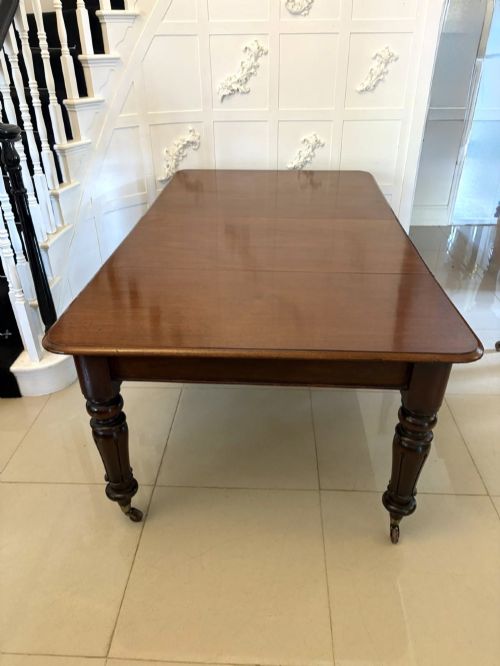
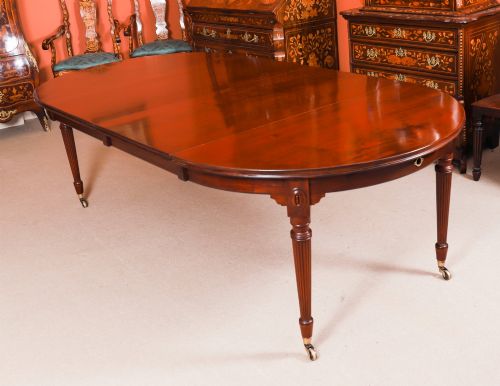
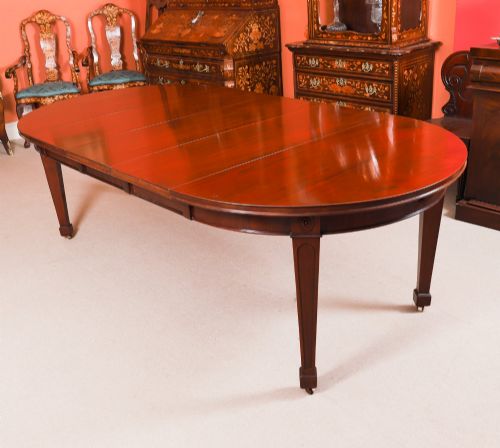
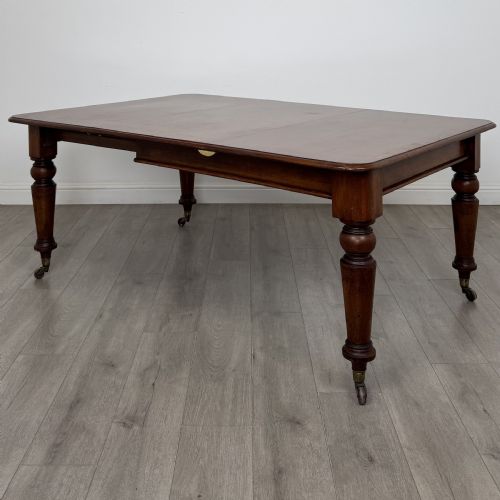
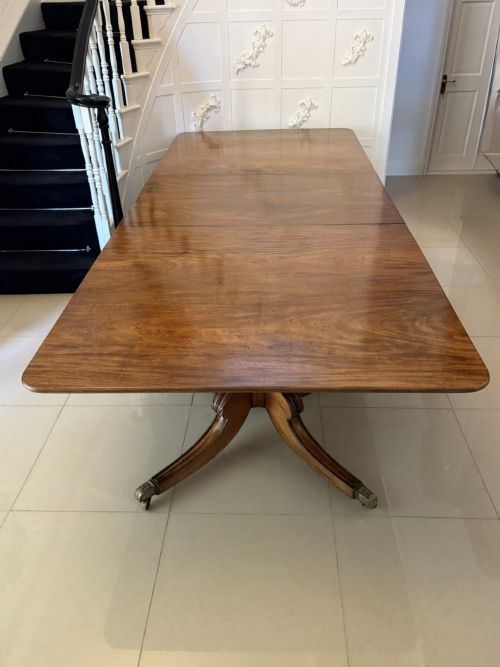
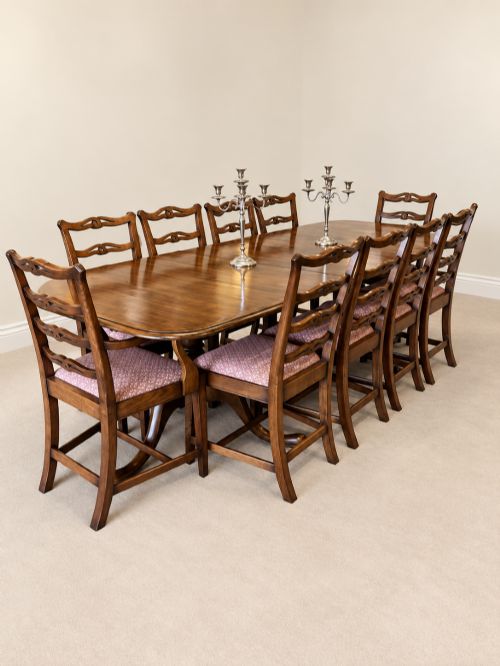
When you need an extended mahogany conference table, you are looking at substantial pedestal dining tables adapted or built for large gatherings.
Extended Mahogany Conference Table
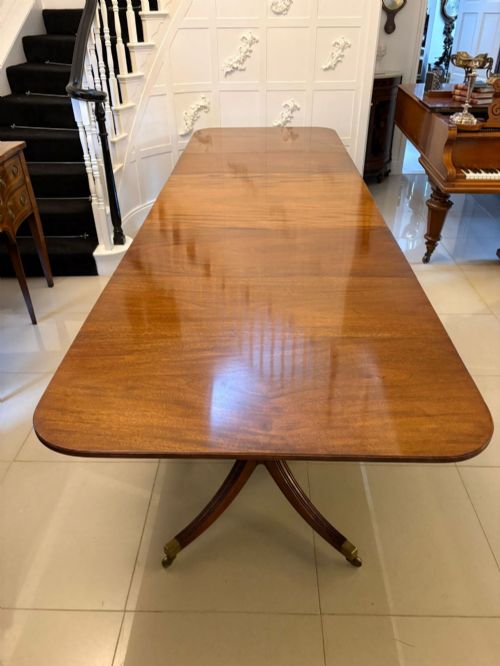
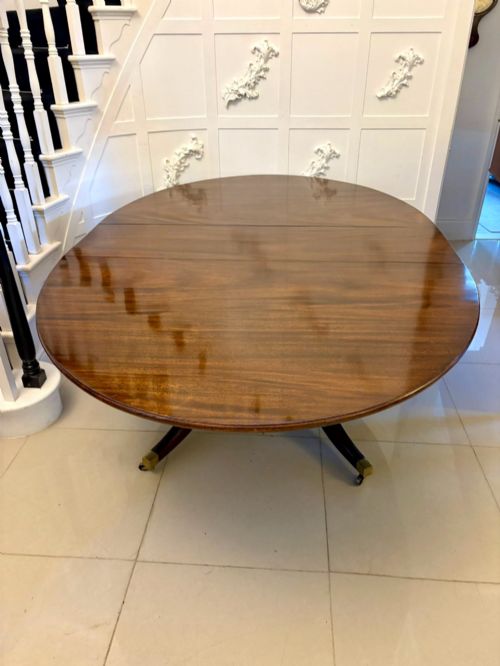
An extended mahogany conference table provides a large communal surface built from rich timber, originating from periods such as the Georgian, Regency, and Victorian eras. These pieces frequently feature multiple pedestals or pillars supporting several removable leaves to accommodate seating capacities ranging from ten to over twenty-eight people.
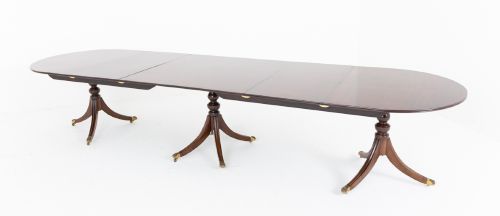
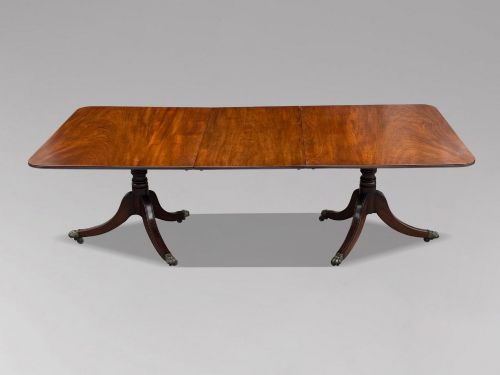
The versions most commonly met on this page span twin-pillar, triple-pillar, and four-pillar formats, often accompanied by D-ends or additional leaves for versatility. Makers from the 19th century onward utilised these robust designs for grand rooms, combining practical scale with formal presence.
How they were made
Craftsmen built these tables using solid mahogany and figured mahogany timber, sometimes incorporating brass castors and metal mechanisms to support heavy leaves. Surface enhancement relied on natural wood grain rather than heavy ornamentation, though subtle inlay and polished finishes appear across various pieces.
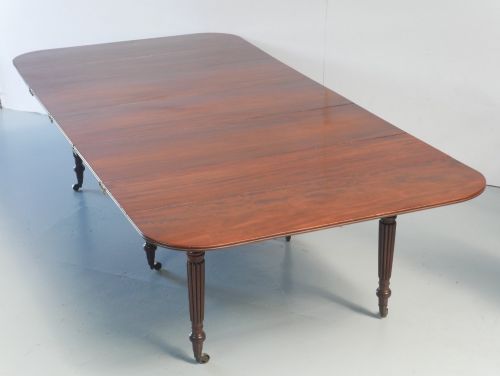
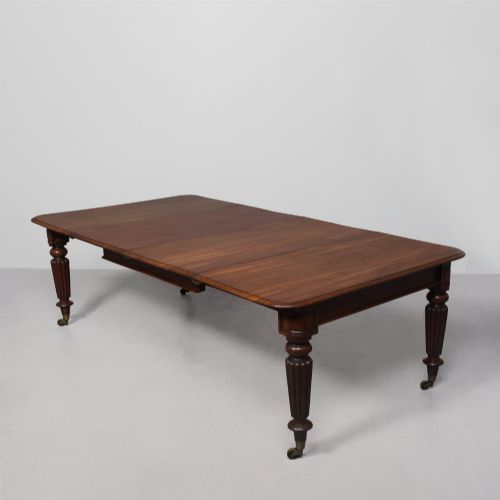
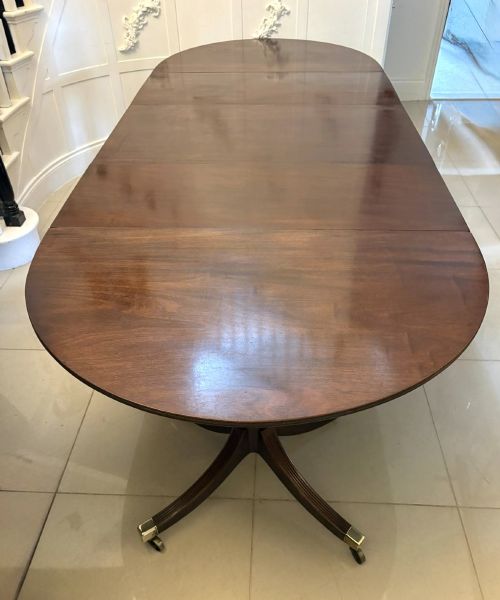
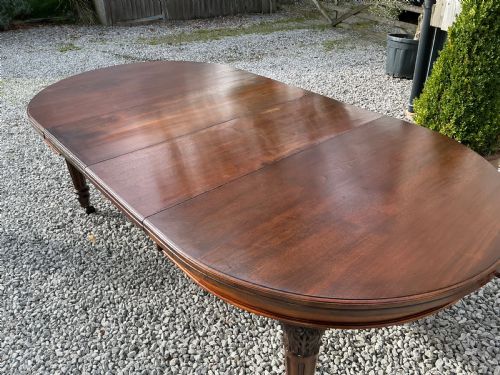
Structural stability depends on sturdy pedestals with reeded legs, which distribute weight evenly across multi-pillar frames. Removable leaves slide into the central framework, allowing the length to alter according to the required seating arrangement.
Listings here span the Georgian, Regency, William IV, Victorian, and Edwardian periods, utilising solid mahogany, figured mahogany, and Spanish mahogany.
What varies in quality
The distinction between standard examples and top-tier pieces lies in the selection of figured mahogany timber and the precision of the pedestal joinery. Superior tables demonstrate exceptional grain matching across multiple leaves and robust pillar construction that supports immense length without sagging.
Proportion and restrained design separate finer workshop output from bulkier alternatives. The harmony between the turned pillars, reeded legs, and the depth of the polished mahogany surface defines the upper tier of the range.
Gillows·Wylie & Lochead·Whytock & Reid·Robert Adam
The Extended Mahogany Conference Table Glossary
- Pedestal
- A central column support resting on splayed legs, usually numbering two, three, or four on longer tables. These allow diners to sit without striking table legs.
- Leaf
- A removable section of timber inserted into the centre of the table to extend its overall length. Multiple leaves allow the table to contract for smaller groups.
- D-End
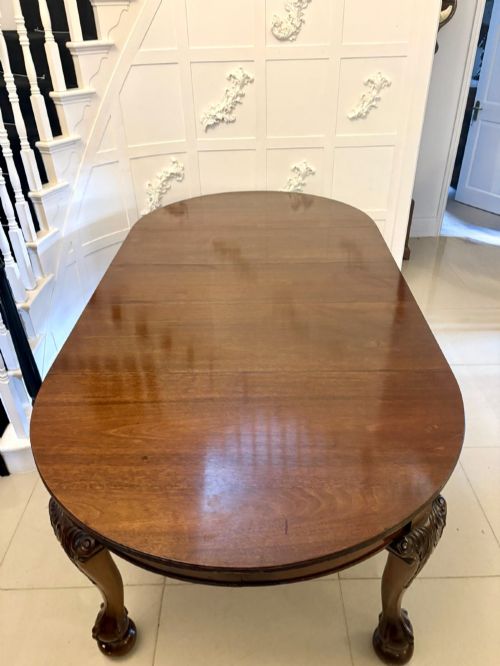
- A semi-circular end section of a dining table shaped like the letter D. These sections detach or separate when the table is shortened.
- Reeded
- Carved with parallel, rounded projections resembling bundled reeds. This decorative moulding often appears on the legs of Regency and Georgian tables.
- Figured Mahogany
- Timber cut to reveal distinctive, decorative grain patterns such as flame or fiddleback. It was selected for high-status furniture surfaces.
Extended Mahogany Conference Table: Frequently Asked Questions
How do multi-pillar tables stay stable?
Multi-pillar tables rely on heavy timber pedestals fitted with splayed legs and brass castors to distribute weight evenly across the floor. The weight of the dense mahogany timber itself keeps the central sections grounded and steady during heavy daily use.
Additional stability comes from internal brass clips or wooden alignment pins that lock the removable leaves securely into the main frame. This prevents shifting when the table is fully extended to seat large numbers of people.
How are leaves stored when not in use?
Extra leaves are traditionally removed and stored flat in a dry environment to prevent warping from humidity changes. Keeping them away from direct sunlight and rapid temperature shifts ensures the polished mahogany surface matches the main table when reinserted.
Some tables utilise internal winding mechanisms that allow the pedestals to slide apart, but the physical leaves themselves must still be lifted out and stored separately. Proper storage protects the edges and brass alignment pins from accidental impact.
How do I care for polished mahogany?
Polished mahogany requires regular dusting with a soft, dry cloth to prevent grit from scratching the surface. Avoid using silicone-based sprays, opting instead for traditional beeswax applied sparingly to nourish the timber grain.
Keep these tables away from radiators and direct sunlight to prevent the timber from drying out or the polish from fading. Using felt mats under hot items and serving dishes protects the finish from heat rings and moisture damage.
How do I distinguish Regency from Victorian tables?
Regency tables, generally dating from the early 19th century, typically display restrained classical proportions, delicate reeded legs, and elegant brass paw castors. The mahogany timber is often lighter in tone and figures prominently on smaller twin-pillar formats.
Victorian tables tend to be larger, heavier, and darker in appearance, reflecting industrial manufacturing methods and the demand for greater seating capacity. They frequently incorporate deeper aprons, robust pedestals, and up to five original leaves to accommodate extensive banquets.