

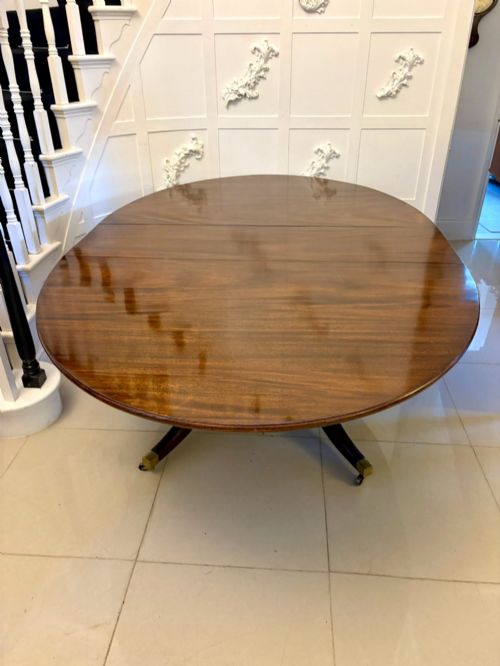
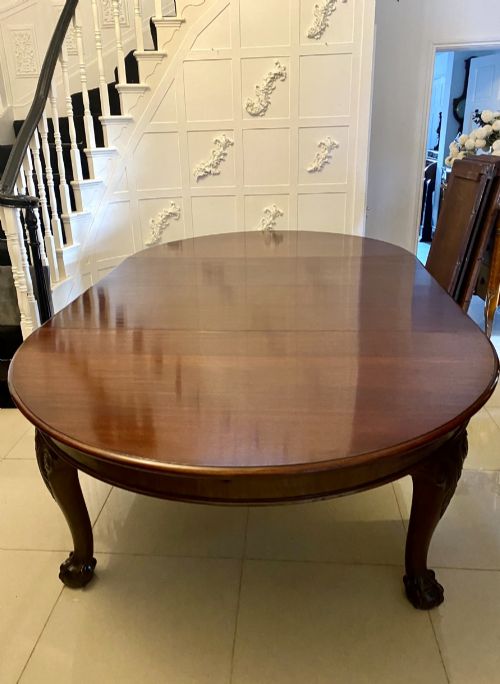
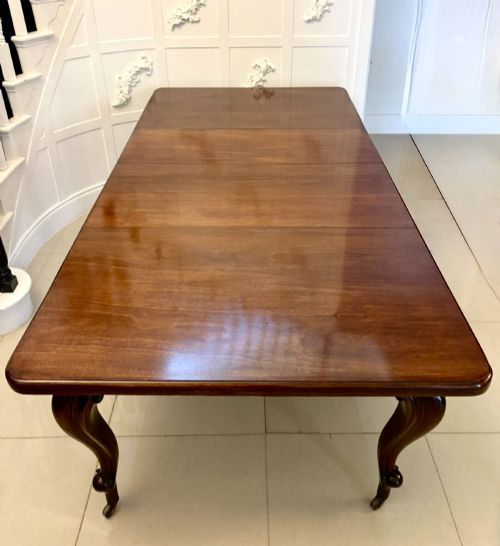
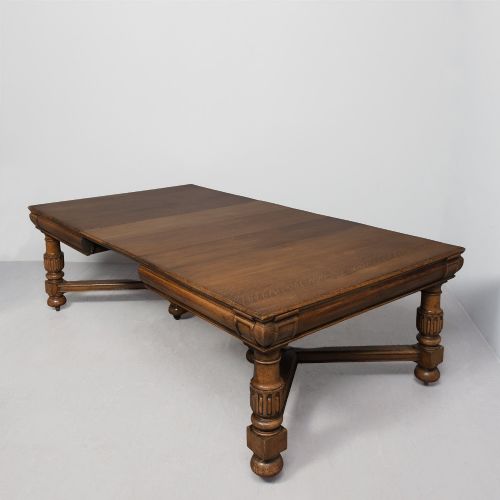
Extendable Table with Leaf
An extendable table with leaf offers adaptable dining space, bringing period craftsmanship and practical versatility into the home through clever mechanics.
Extendable Table with Leaf
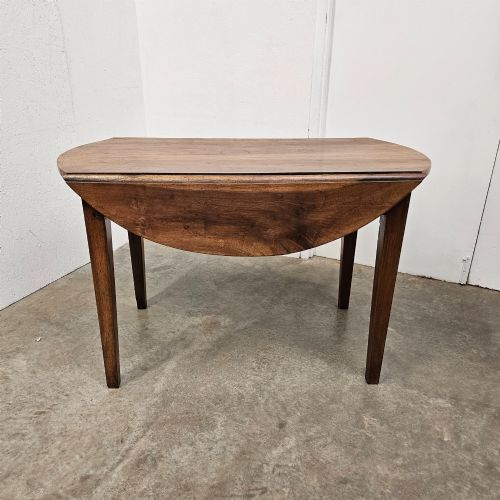
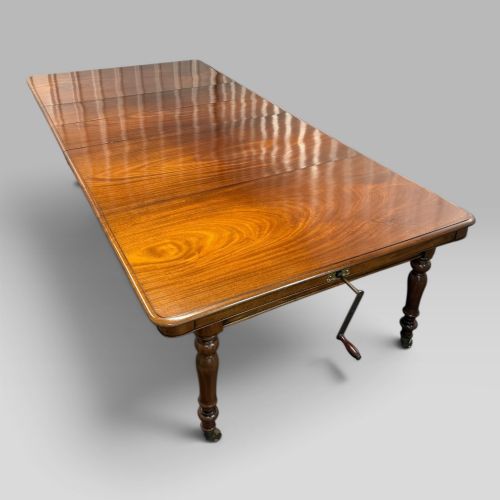
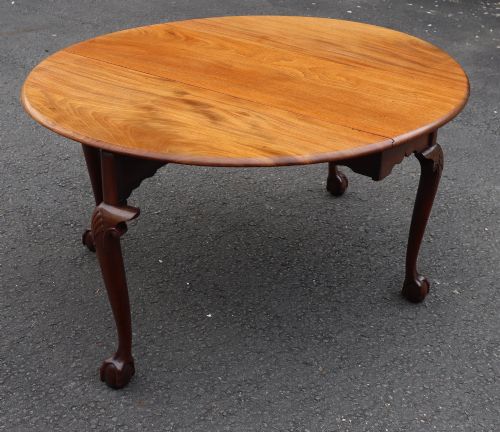
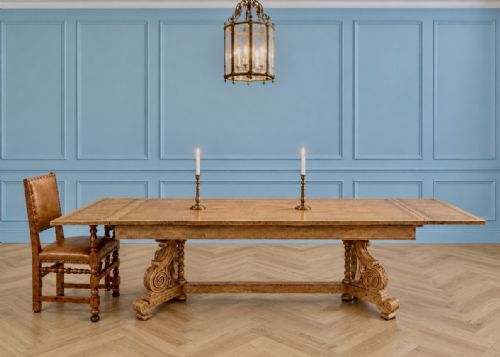
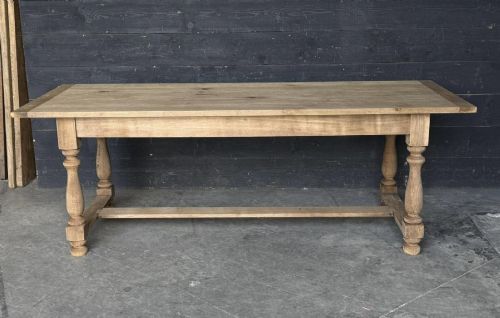
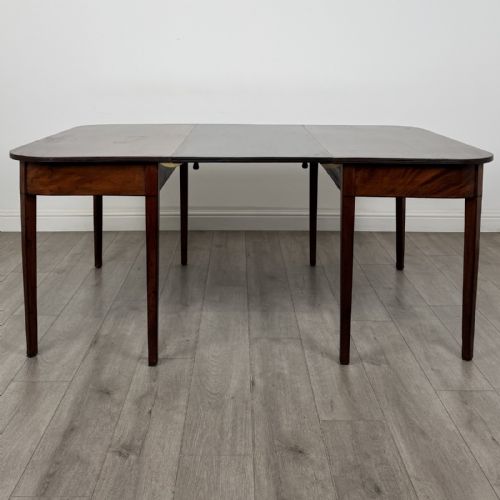
An extendable table with leaf provides adaptable dining space by incorporating removable sections or pull-out mechanisms to alter the surface area. Buyers searching for an extendable table with leaf encounter forms ranging from Georgian drop-leaf tables to twin-pillar and multi-pedestal dining formats.
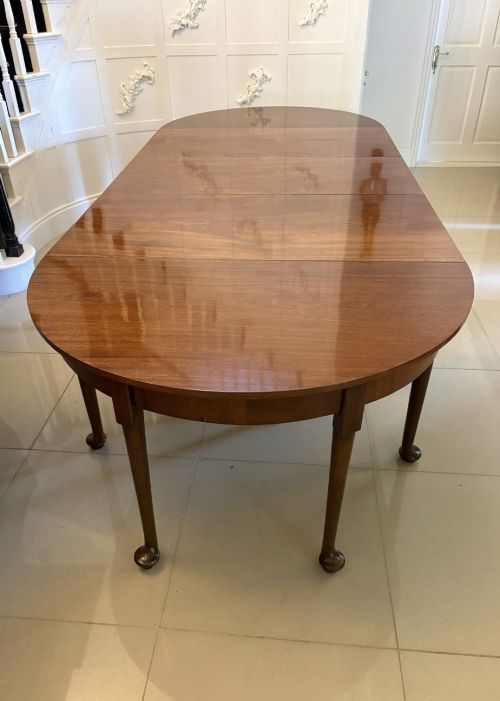
The material palette spans rich hardwoods like mahogany, oak, walnut, and cherry, often shaped into D-end, Pembroke, or gateleg configurations. These pieces date from the early eighteenth century through the Edwardian period, reflecting shifting domestic requirements for flexible entertaining.
Materials and construction methods
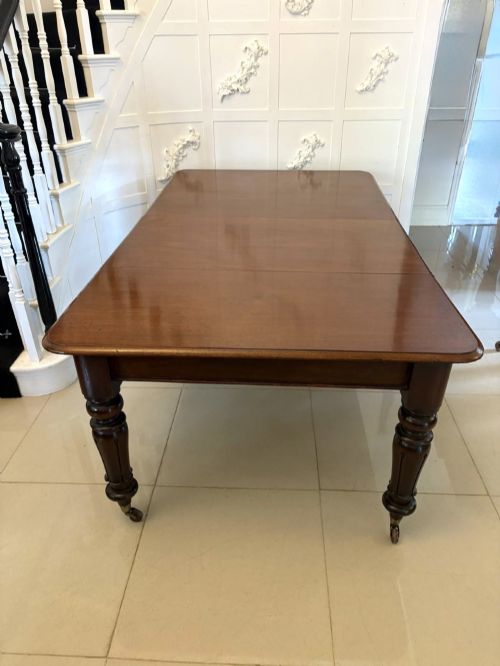
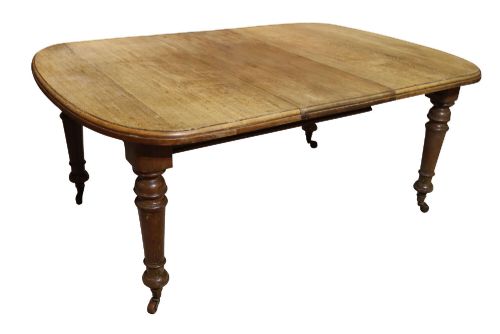
Cabinetmakers utilised solid timbers and selected veneers, predominantly mahogany, oak, and walnut, ensuring structural integrity across extending mechanisms. Brass castors frequently facilitated movement on heavier pedestal bases, while secondary timbers supported internal runners and leaf supports.
Joinery techniques such as draw-leaf action, drop-leaf hinges, and pillar supports allowed tables to expand smoothly while maintaining stability under varied loads. Inlays of satinwood and ebony added decorative borders to later Sheraton Revival pieces.
Extendable Table with Leaf Retail Price Guide 2026
Typical asking prices for extendable table with leaf among the pieces listed under this phrase on Sellingantiques today, from the lower quarter to the upper quarter. They describe what is for sale here now, not the wider market.
Several dining tables include bread slides, offering a subtle reminder of historic domestic kitchen routines.
Assessing quality in extendable tables
Quality reveals itself in the precision of the extending mechanism and the stability of the table when fully expanded with all leaves inserted. Superior examples maintain alignment across the joins and utilise high-grade timber with consistent grain matching.
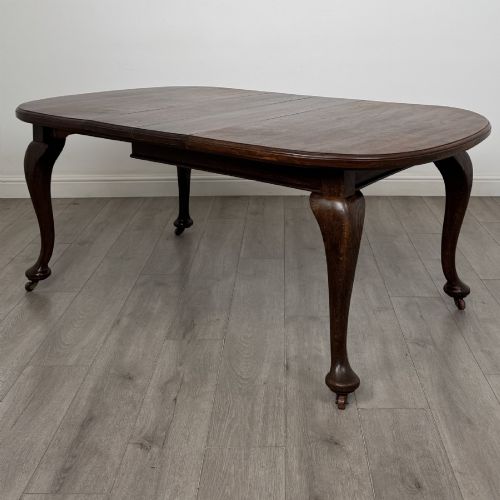
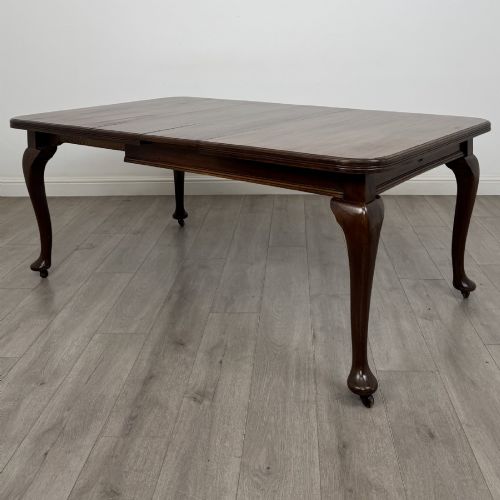
Refinement in leg carving, such as cabriole legs or reeded pillars, distinguishes finer workshop production from standard utility dining furniture.
The Extendable Table with Leaf Glossary
- D-end
- A table end shaped in a semicircle resembling the letter D, often found on modular dining tables that separate into console sections.
- Draw leaf
- A table design featuring two leaves stored beneath the main top that pull out from either end to extend the surface.
- Gateleg table
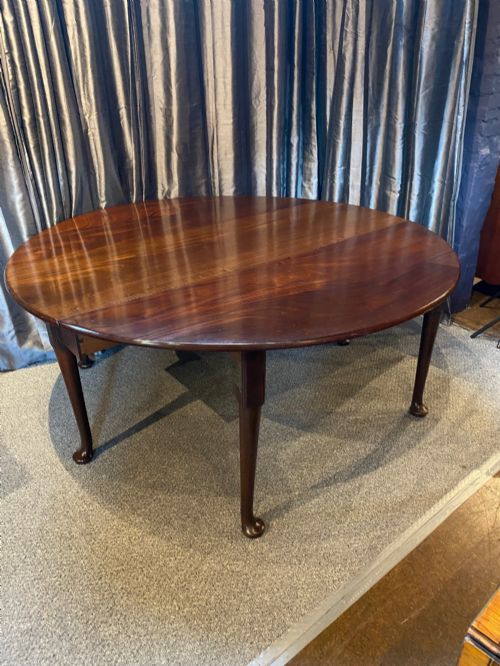
- A table with hinged legs that swing outward to support drop leaves when raised.
- Pembroke table
- A small rectangular table with two hinged drop leaves on opposing sides, frequently fitted with a frieze drawer.
- Twin-pillar
- A dining table construction supported by two separate pedestals, each typically featuring tripod or quadruped brass-castor feet.
Extendable Table with Leaf: Frequently Asked Questions
How do you extend these tables?
Most antique extending tables operate through draw mechanisms, pull-out runners, or drop leaves that are supported by swing-out legs or additional pedestals.
Leaves are typically stored separately when not in use and dropped into the centre slot or pulled from beneath the main top.
What woods were commonly used?
Cabinetmakers predominantly utilised durable hardwoods including mahogany, oak, and walnut for primary surfaces and structural frames.
Satinwood and ebony frequently appeared as decorative inlay elements on later revival pieces, while cherry and softer secondary woods supported internal components.
Can these tables seat large groups?
Many examples accommodate substantial gatherings by accepting multiple extra leaves, with larger multi-pedestal formats designed to seat up to twenty-four people.
Smaller drop-leaf and Pembroke variations offer modest extension suitable for compact dining spaces.
How do I identify the period?
Period identification relies on observing leg styles, timber selection, joinery methods, and hardware such as original brass castors.
Georgian and Regency pieces display classical proportions and pillar supports, whereas Edwardian and later examples often incorporate simpler draw-leaf actions.