




Expressionist Figure
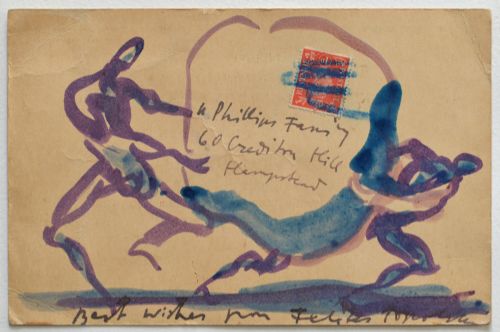
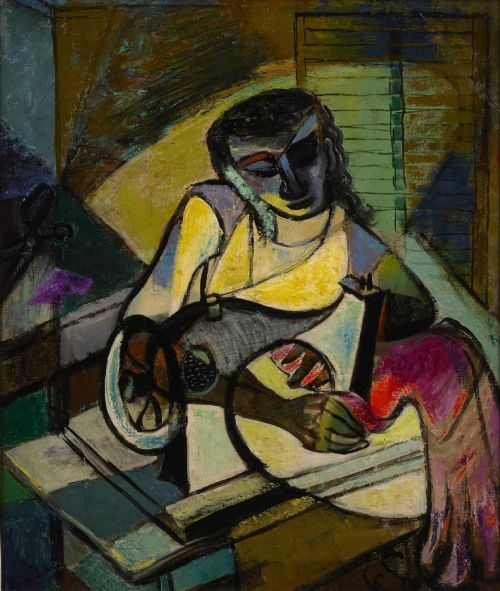
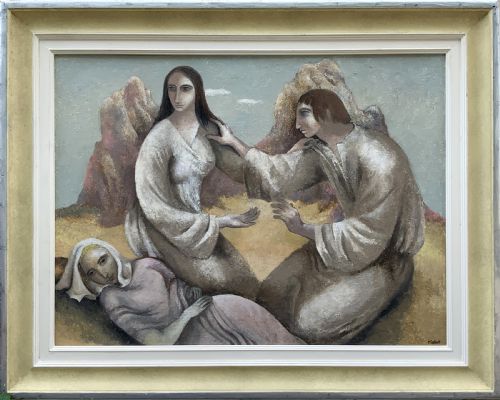
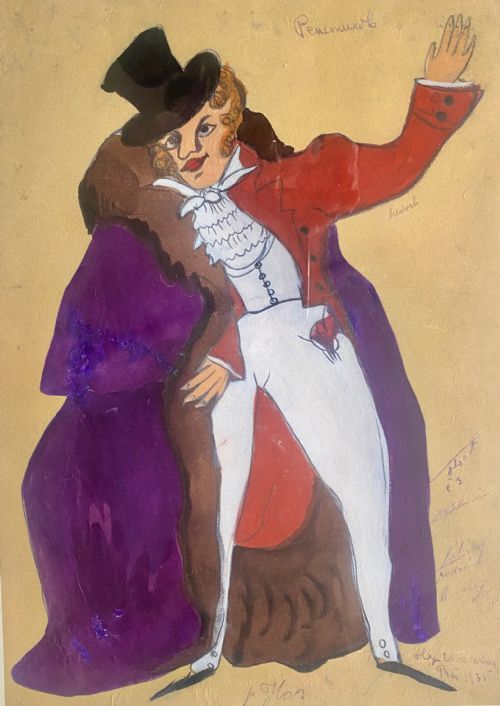
An expressionist figure captures human form through emotional intensity, drawing viewers into bold lines and dramatic brushwork that define these compelling artworks and sculptures.
Expressionist Figure
When searching for an expressionist figure, collectors encounter paintings, drawings, and sculptures that prioritize psychological depth over photographic accuracy. These works range from early twentieth-century modernist compositions to mid-century studies executed across European and American workshops.
The selections on this page appear predominantly as oil paintings on canvas or paper, alongside wood and bronze sculptures. Subjects focus heavily on portraits and nudes rendered through the lenses of Fauvism, Art Deco, and Mid-Century Modernism.
Makers represented span named artists working from the Edwardian era through the nineteen-sixties, capturing human forms with heightened emotion and gestural marks. The visual language relies on expressive distortion to convey internal states rather than external realities.
Materials and construction methods
Makers constructed these pieces using traditional media such as oil paint on canvas, gouache on paper, and ink for detailed line work. Sculptors shaped figures directly from pear wood, cast bronze, or glazed porcelain to achieve tactile surfaces that match the energy of the paintings.
Artists applied paint with heavy impasto or thin washes, depending on whether the desired effect required thick textural build-up or rapid gestural marks. Wood carvers utilised grain patterns to accentuate the contours of heads and bodies, while printmakers produced limited edition works on paper.
Expressionist Figure Retail Price Guide 2026
Typical asking prices for expressionist figure among the pieces listed under this phrase on Sellingantiques today, from the lower quarter to the upper quarter. They describe what is for sale here now, not the wider market.
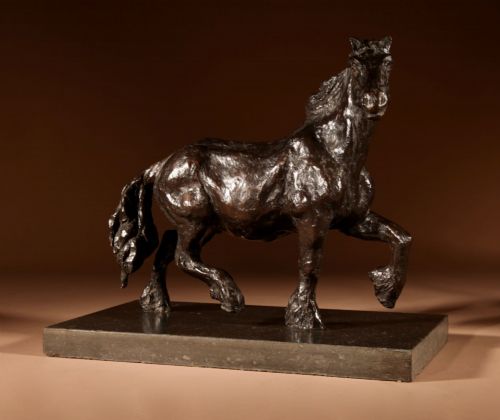
One stubborn draught horse sculpture proudly channels the artistic spirit of Renee Sintenis without ever stepping onto a racecourse.
Distinctions in quality and execution
Quality rests upon the strength of the composition and the confidence of the maker's hand, where decisive brushwork or carving creates immediate visual tension. Works displaying deliberate manipulation of form and colour outshine those with hesitant lines or formulaic proportions.
Provenance and documentation elevate certain pieces, particularly when signed by documented artists or verified through period exhibitions. The integration of medium and subject matter determines whether a piece remains a minor study or stands as a resolved artistic statement.
Lena Gurr·Christine Nesbit·Renee Sintenis·Olga Choumansky·Tony Giles·Gaetan Dumas·Franz Keller·Theo Voss·Peter Jackson·Jean Hippolyte Marchand·Pinchus Kremegne·Matisse·Antonio Ferri·Yetta Kane·Kenneth B Malpass·Raymond Arthur Roadnight·Kees van Dongen·Bernard Meninsky·Markey Robinson
The Expressionist Figure Glossary
- Impasto
- Paint applied thickly to a canvas or panel, standing out in relief from the surface. This technique allows light to catch the texture and adds physical presence to the depicted figure.
- Fauvism
- An early twentieth-century style characterised by strong colours and painterly qualities rather than realistic values. Practitioners applied unnatural hues to human subjects to evoke emotional responses.
- Gouache
- An opaque water-based paint that dries to a smooth, matte finish. Artists used this medium on paper for rapid studies and finished works with saturated pigment.
- Chiaroscuro
- The use of strong contrasts between light and dark, usually bold contrasts affecting a whole composition. This approach models three-dimensional volumes on flat painted surfaces.
Expressionist Figure: Frequently Asked Questions
How do I display an expressionist figure painting?
These works demand neutral wall spaces where their bold brushwork and intense palettes can command attention without visual competition from surrounding decor.
Keep framed paintings away from direct sunlight to protect oil pigments and works on paper from fading over time.
What subjects do these figures typically depict?
Most pieces portray seated or reclining nudes, expressive portraits, and dancers captured in motion during the early to mid-twentieth century.
The focus remains on human anatomy interpreted through psychological and emotional lenses rather than strict academic realism.
How can I identify the period of a sculpture?
Examine the material choices, casting methods, and tool marks, which reveal whether a piece stems from Edwardian workshops or mid-century modernist movements.
Signatures, foundry marks, and wood types offer additional clues for dating sculptural figures accurately.
Are works on paper as durable as canvas?
Drawings and watercolours on paper require framing behind conservation-grade glass to shield the delicate surfaces from atmospheric moisture and dust.
When properly housed, paper pieces endure just as effectively as traditional oil paintings on canvas or board.