



Expressionist Cityscape Art
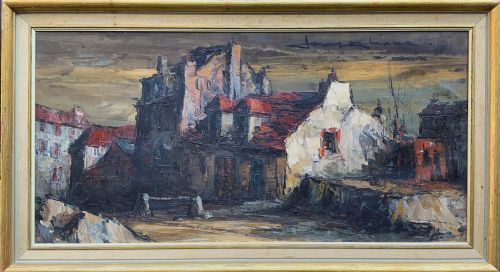
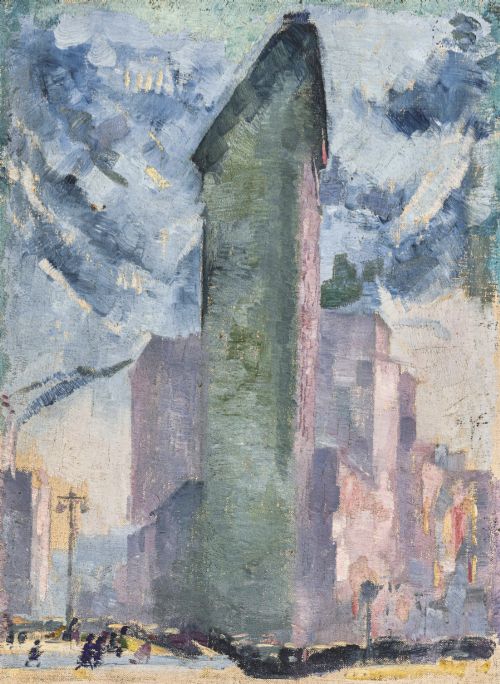
Expressionist cityscape art captures the raw pulse of urban life through thick brushwork and striking colour, making it a bold choice for modern walls.
Expressionist Cityscape Art
Expressionist cityscape art brings together urban views and the emotional intensity of twentieth-century movements. Buyers seeking expressionist cityscape art will encounter works spanning from the nineteen-tens to the nineteen-sixties, capturing locations from Paris and Venice to New York.
The pieces on offer include mid-century expressionism, German expressionism, and post-impressionism. These works range from abstract interpretations to figurative street and canal scenes.
Canvas is the primary support for these paintings, frequently paired with thick impasto technique. Smaller sketches on board and wood frame presentations also appear across the selection.
Materials and Technique
Artists painted primarily in oil on canvas or board, utilising heavy layers of pigment to build tactile surfaces. This impasto method creates textured relief that catches the light and emphasises the energetic application of paint.
Works are frequently housed in wood or gilt wood frames that complement the dynamic compositions. Mixed media approaches also appear, combining diverse textural elements within a single urban view.
Expressionist Cityscape Art Retail Price Guide 2026
Typical asking prices for expressionist cityscape art among the pieces listed under this phrase on Sellingantiques today, from the lower quarter to the upper quarter. They describe what is for sale here now, not the wider market.
Harlequin and Pierrot occasionally wander out from the imaginary quays of Paris to observe the winter rooftops.
Evaluating Quality and Execution
Quality rests upon the confidence of the brushwork and the clarity of the urban atmosphere conveyed by the artist. Stronger pieces display a deliberate command of colour and proportion that transforms a simple street or canal scene into a compelling visual experience.
The relationship between the painted surface and its housing plays a vital part in the overall impact. Original wood or gilt frames that suit the period of the canvas elevate the presentation considerably.
Alfred Wolmark·Gabriel Dauchot·Hein Hoppmann·Emanuele Cappello·Pierre Peltier
The Expressionist Cityscape Art Glossary
- Impasto
- Paint applied thickly to a canvas or board so that it stands out from the surface. This technique leaves visible brush or palette knife marks that catch the light.
- Expressionism
- An artistic style where the artist seeks to depict subjective emotions rather than objective reality. It often employs distorted forms and bold, non-naturalistic colours.
- Post-Impressionism
- A French art movement that developed out of impressionism between roughly eighteen-eighty-six and nineteen-fourteen. It extends impressionism while rejecting its limitations.
- Gilt Wood
- Wood that has been treated with a thin layer of gold leaf or gold-coloured paint. It provides a decorative and protective border for paintings of various periods.
- Mixed Media
- An artwork in which more than one medium or material has been employed. Artists combine paint with other substances to create varied surface textures.
Expressionist Cityscape Art: Frequently Asked Questions
What is expressionist cityscape art?
Expressionist cityscape art encompasses paintings that portray urban environments through an emotional lens rather than strict realism. These works use bold brushwork and distinctive palettes to convey the mood of streets, canals, and rooftops.
Created across several decades of the twentieth century, these pieces reflect various regional movements from German expressionism to mid-century French approaches. They offer viewers a dynamic and subjective interpretation of city life.
How do I date these paintings?
Dating expressionist cityscape art involves examining the materials, canvas preparation, framing style, and the artist's recorded active period. Mid-century works often feature distinct abstract compositions and specific canvas types.
Signatures, inscriptions on the reverse, and stylistic markers pointing to movements like post-impressionism or German expressionism also help establish the approximate decade of creation.
How should I hang and light these works?
These textured paintings benefit from stable indoor wall spaces away from direct sunlight and excessive humidity. Proper spacing allows the heavy impasto and framing to command the room.
Warm picture lights or natural ambient light from the side will accentuate the thick brushstrokes and layered surfaces characteristic of expressionist urban paintings.