



Export Camphor Box
An export camphor box brings aromatic timber and robust brass mounts together to form a travel trunk built for the long ocean voyage.
Export Camphor Box
An export camphor box is a sturdy trunk designed to protect contents from moisture and insects during maritime transit. When looking for an export camphor box, buyers typically encounter sturdy timber chests dating from the nineteenth century onward.
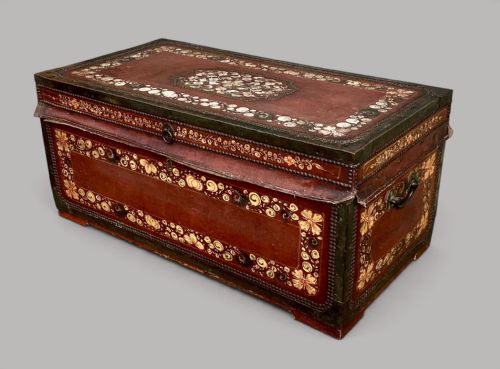
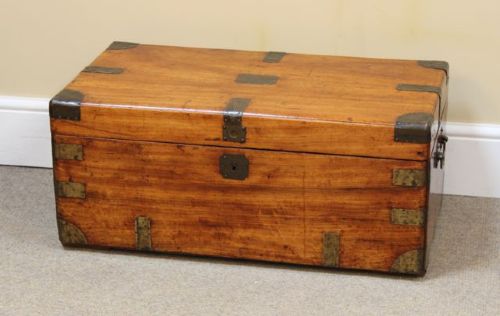
The forms span simple wooden coffers to elaborate brass-bound trunks associated with the China Trade. Many examples feature the characteristic grain and scent of camphorwood, often complemented by protective metal hardware.
Originating largely from Chinese ports for Western markets, these pieces combine utilitarian strength with decorative craft. The selection includes plain timber surfaces as well as painted polychrome finishes and carved details.
Construction and materials
Cabinetmakers utilised durable camphorwood for its insect-repellent properties and stability in changing climates. Planks were joined securely to withstand long journeys at sea.
Heavy brass straps, corners and flush handles were fitted to reinforce the structure against rough handling. Leather coverings and pigment paint occasionally finished the exterior surfaces of trade trunks.
Export Camphor Box Retail Price Guide 2026
Typical asking prices for export camphor box among the pieces listed under this phrase on Sellingantiques today, from the lower quarter to the upper quarter. They describe what is for sale here now, not the wider market.
The lingering aromatic scent ensures these travel chests still protect your sweaters from moths after a century at sea.
Evaluating quality
The distinction between standard chests and superior examples rests on the crispness of the brass work and the integrity of the timber. Finely executed corner mounts and dovetail joints indicate a higher standard of workshop production.
Surface treatment further separates the output, with polychrome painted finishes or intricate hand-carved panels showing greater ambition than plain utility boxes. The weight and gauge of the brass hardware also signal the original cost and purpose of the piece.
The Export Camphor Box Glossary
- Camphorwood
- An aromatic timber native to Asia, prized for its distinct scent and resistance to moths. It forms the primary structural material for these travel chests.
- Campaign
- A style of furniture designed for portability, characterised by recessed brass handles and reinforced corners. These elements allowed officers and merchants to transport goods safely.
- China Trade
- The commerce conducted between Western nations and Qing dynasty China through designated ports such as Canton. This trade produced the specific decorative boxes exported abroad.
- Polychrome
- Painted in several colours, often found on the exterior of trade trunks depicting figurative or floral scenes. This decorative layer distinguished more elaborate export pieces.
Export Camphor Box: Frequently Asked Questions
What is an export camphor box?
An export camphor box is a nineteenth-century travel chest made in Asia for Western markets. These trunks served merchants and travellers on long ocean voyages.
The timber was chosen for its natural insect-repellent properties, protecting textiles and papers inside. Brass mounts added structural strength for transport.
How were these chests used?
They functioned primarily as luggage and storage trunks during maritime travel. Their sturdy construction protected valuable goods from sea air and pests.
Today, many owners repurpose them as coffee tables or blanket boxes in domestic interiors. The flat lids and robust build suit modern living spaces well.
Why do these chests smell of camphor?
The distinct aroma comes from the natural oils locked within the wood cells. Camphorwood retains this fragrance for generations, especially when the interior is dry.
Some owners appreciate the scent for its traditional association with stored linens. The aroma also indicates genuine timber rather than a secondary wood veneer.