


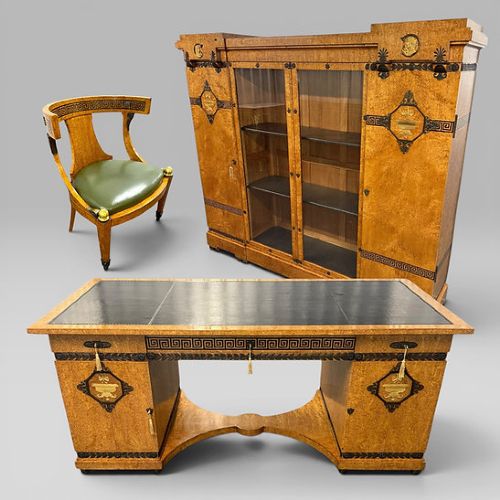
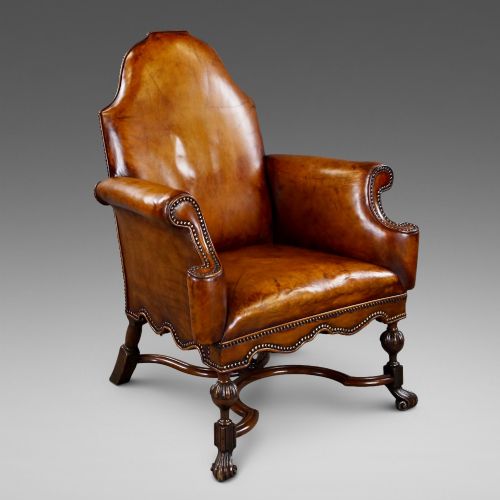


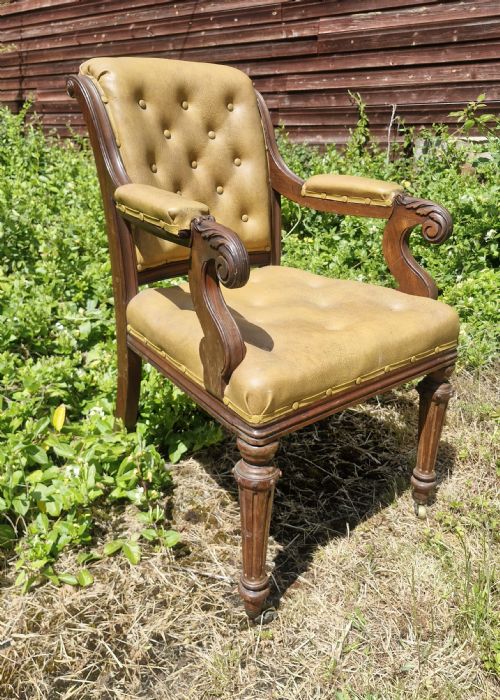


Executive Desk Chair
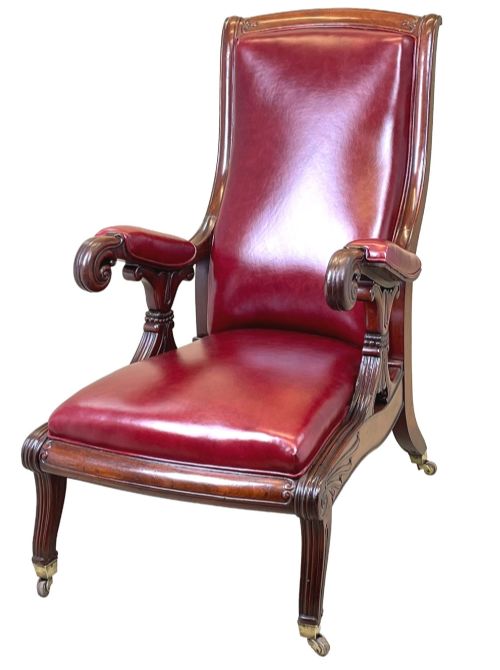
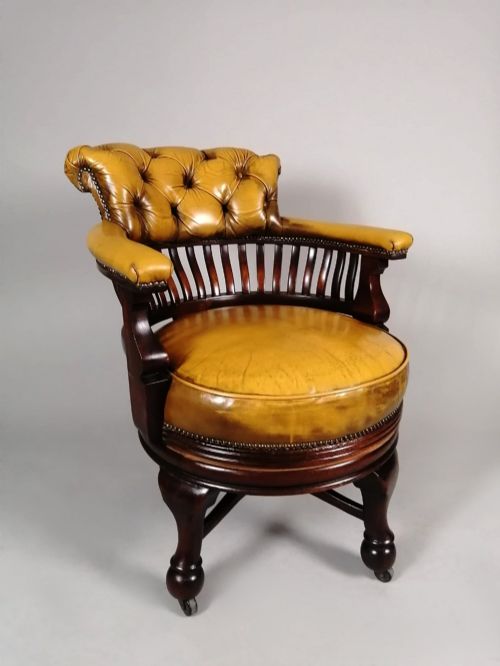
An executive desk chair brings period presence and heavy timber framing into a working study, combining deep buttoned hides with robust mahogany, oak or walnut.
Executive Desk Chair
An executive desk chair serves as the primary seating piece in a study or library, encompassing revolving swivel designs, library armchairs and stationary desk chairs. Buyers searching for an executive desk chair encounter nineteenth-century pieces alongside Edwardian and early twentieth-century examples.
The materials span solid mahogany, walnut and oak frames paired with leather upholstery, brass castors and cast iron swivel mechanisms. Victorian and Edwardian iterations dominate the selection, referencing earlier Regency, Georgian, and French Empire styles.
Materials and Construction
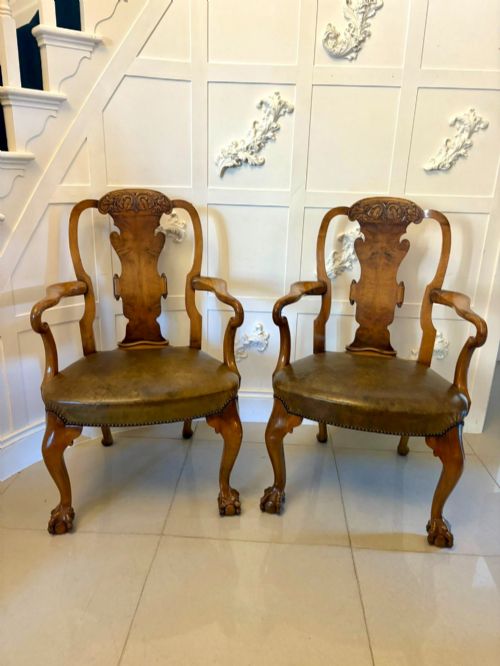
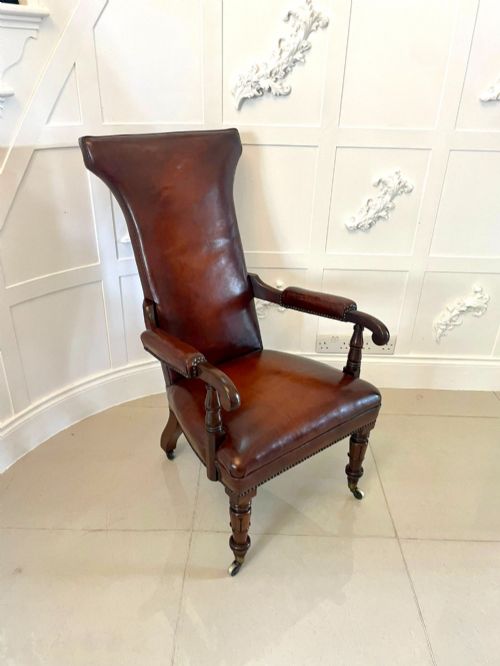
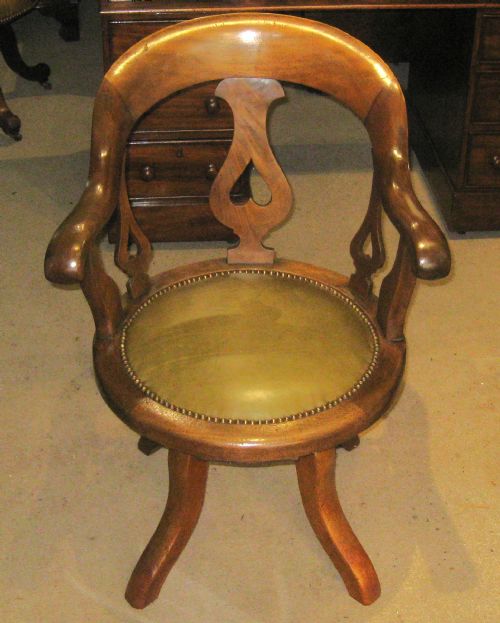
Makers constructed these chairs from dense hardwoods including mahogany, walnut and oak, often shaping the timber into bow backs or curved arm supports. Leather upholstery provided durable seating surfaces, secured to the frames with brass nailheads.
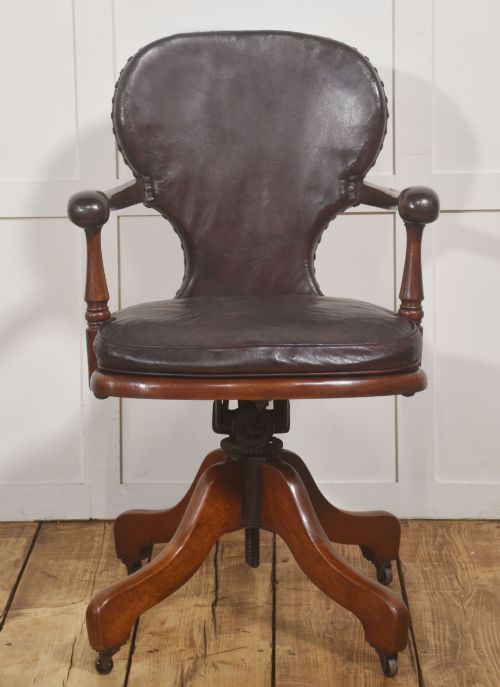
Revolving variants relied upon iron and cast brass swivel mechanisms concealed beneath the seat, allowing movement through central iron spindles. Castors fitted to the timber legs enabled smooth mobility across office floors.
Executive Desk Chair Retail Price Guide 2026
Typical asking prices for executive desk chair among the pieces listed under this phrase on Sellingantiques today, from the lower quarter to the upper quarter. They describe what is for sale here now, not the wider market.
The listings show solid mahogany, walnut and oak frames paired with leather and cast brass hardware across the nineteenth and early twentieth centuries.
Craftsmanship and Proportion
The distinction between tiers of quality lies in the joinery of the timber frame and the depth of the carved details on the arms and backrest. Solid mahogany and walnut frames exhibit crisper moulding profiles than simpler oak or bentwood alternatives.
Upholstery methods also separate pieces, with hand-buttoned leather hides and traditional horsehair stuffing representing higher standards of manufacture than modern synthetic replacements.
Mercier Frères·Boston Chair Company·Gillows
The Executive Desk Chair Glossary
- Swivel desk chair
- A seating form featuring a central mechanical pivot that allows the user to rotate the seat without moving the base. These chairs often incorporate iron spindles and brass castors.
- Gainsborough armchair
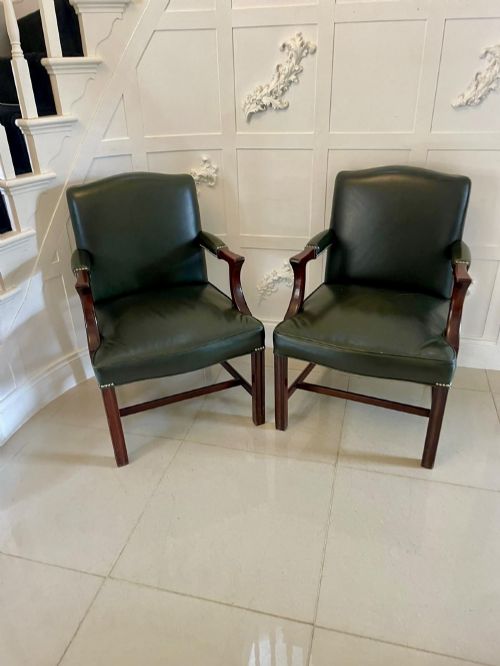
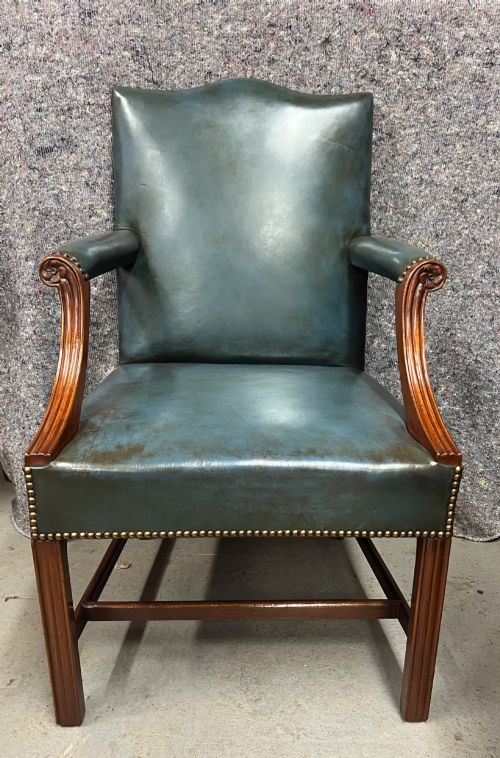
- A wide, upholstered seat with an open wooden frame, padded armrests and short legs. This style dates back to the eighteenth century but appears frequently in later nineteenth-century adaptations.
- Library chair
- A heavy armchair designed for reading rooms, typically upholstered in leather and constructed from mahogany or walnut. They provide substantial back support for extended periods of study.
- Castor
- A small wheel fitted to the base of a chair leg to assist with movement. Brass mounts and iron pins are common on nineteenth-century examples.
Executive Desk Chair: Frequently Asked Questions
How do I identify a swivel mechanism?
A swivel mechanism typically consists of an iron spider base or central spindle located beneath the wooden seat platform. Many period examples allow height adjustment through a threaded metal screw.
Inspect beneath the seat to find cast iron brackets or brass components that confirm the revolving function.
Are these chairs suitable for daily work?
These pieces were built for studies and libraries using dense hardwoods and sturdy leather upholstery. They offer robust structural support suited to regular sitting.
Keep in mind that period ergonomics differ from modern office seating, lacking adjustable back tilt or pneumatic height levers.
How do I care for leather upholstery?
Leather surfaces benefit from occasional treatment with appropriate conditioning balms to maintain flexibility and prevent drying out. Avoid placing antique seating near direct heat sources or strong sunlight.
Gentle dusting with a dry cloth protects the grain and the surrounding brass nailheads.
What distinguishes Victorian from Edwardian chairs?
Victorian examples often feature darker, heavily carved mahogany frames with deep buttoned leather and robust proportions. Edwardian pieces tend to display lighter oak or mahogany construction with simpler lines.
Both periods embraced swivel functions, though Edwardian designs frequently incorporated bentwood elements.