







European Painted Furniture
European painted furniture brings vibrant folk art and country character into a room through original pigments applied to pine and wood.
European Painted Furniture
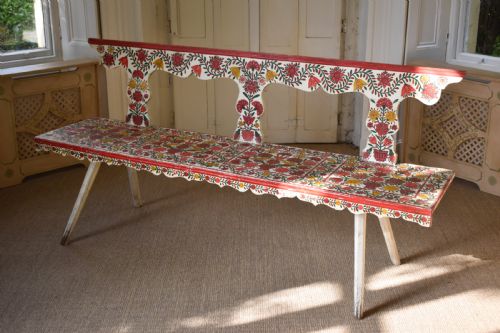
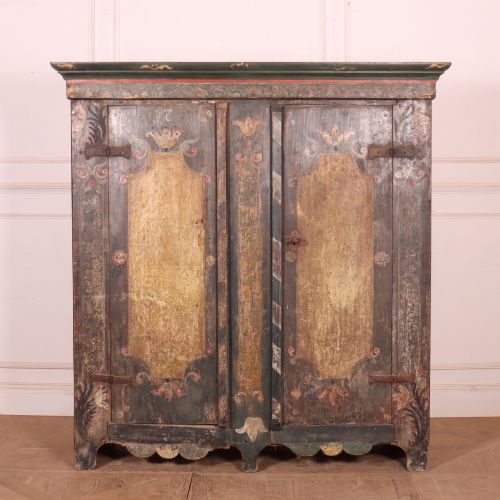
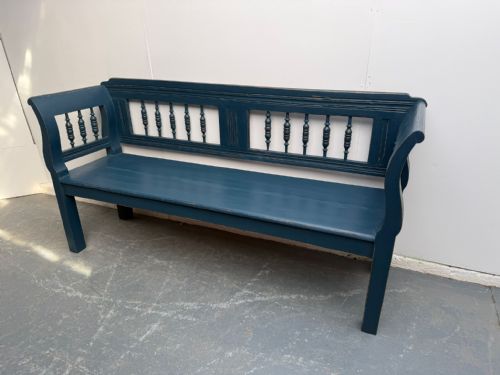
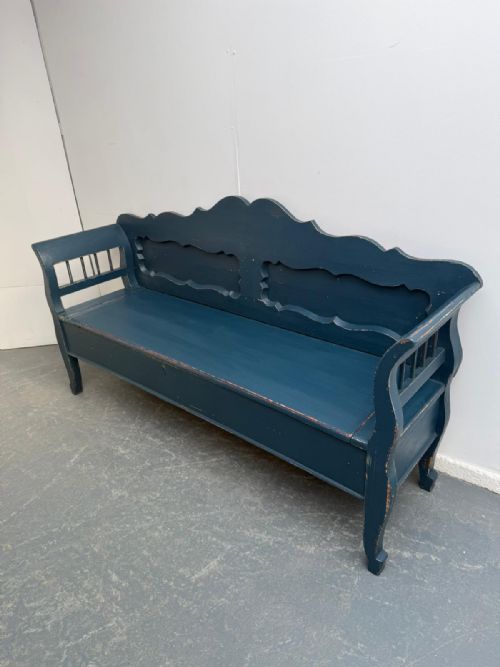
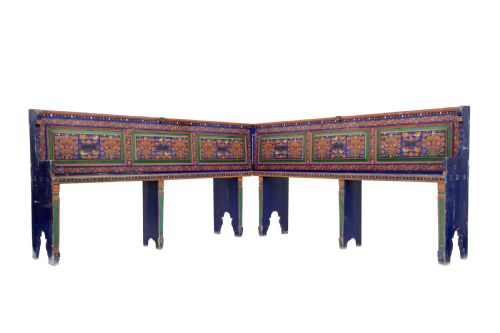
European painted furniture encompasses functional household items decorated with pigments, ranging from benches and settle seats to cupboards, dressers, and bedside cabinets. When exploring European painted furniture, you encounter regional expressions such as Hungarian, Austrian, and Eastern European country pieces that rely on vernacular traditions.
The objects span multiple periods including the Georgian and Victorian eras, alongside pieces dated around nineteen hundred, nineteen-twenty, eighteen-ninety, and eighteen-eighty. Most items utilise pine as a primary construction material, often retaining original green, blue, black, or red painted surfaces.
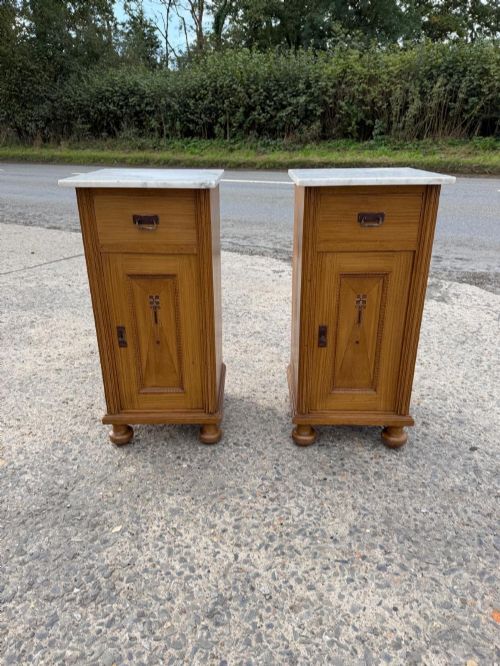
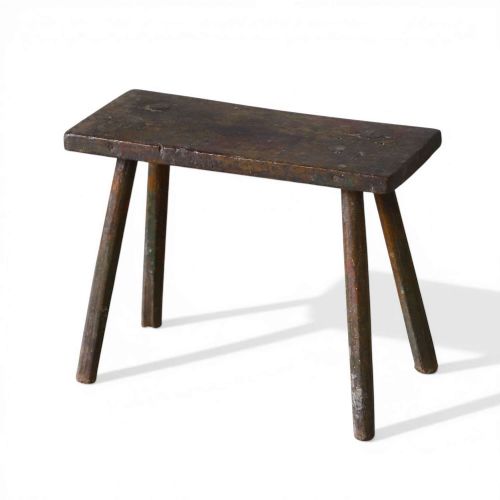
Forms vary from small milking stools and coffer boxes to large dressers, sideboards, and hanging cupboards, sometimes incorporating marble tops, iron, ceramic, or metal details. Folk art and chinoiserie styles appear across the selection, showing how rural makers adapted decorative schemes to everyday domestic objects.
How they were made
Makers constructed these pieces primarily from solid pine and native woods, building robust carcasses suitable for demanding daily use in rural households. Iron and metal hardware such as hinges and latches were hand-forged to secure doors and lids on cupboards and coffers.
Surfaces received layers of paint, often applied as original pigments that developed distinct patinas over decades of wear. Certain sophisticated items incorporate red lacquered chinoiserie finishes or marble tops placed onto bedside cabinets.
European Painted Furniture Retail Price Guide 2026
Typical asking prices for european painted furniture among the pieces listed under this phrase on Sellingantiques today, from the lower quarter to the upper quarter. They describe what is for sale here now, not the wider market.
Listings feature pine and painted wood constructions alongside marble tops and iron details, spanning periods from Georgian and Victorian times to nineteen-twenty.
What varies in quality
Quality rests in the survival of original paint surfaces, where untouched blue, green, black, or red pigments retain their authentic character without heavy modern intervention. The sophistication of folk art decoration distinguishes standard domestic items from pieces featuring elaborate brushwork.
Construction integrity separates sturdier seating and storage forms, such as three-seater benches and settle seats, from pieces compromised by excessive structural repair. Material additions like marble tops on bedside cabinets elevate the utility and finish of the piece.
The European Painted Furniture Glossary
- Pine
- A softwood commonly used for European country furniture due to its availability and ease of working. It forms the base material for the majority of painted cupboards, benches, and dressers.
- Settle
- A wooden bench with high backrests, solid arms, and often a storage compartment beneath the seat. These served to keep draughts away from people sitting near fires in period homes.
- Coffer
- A large box with a hinged lid used for storing valuables, textiles, or household goods. In folk traditions, they frequently display painted panels.
- Chinoiserie
- European interpretations of Chinese and East Asian decorative motifs, typically executed in lacquered finishes. This style appears on specific decorative cabinets rather than standard rural vernacular pieces.
- Commode
- A low cabinet or chest of drawers, often fitted with doors. Austrian and European examples integrate painted decoration alongside functional storage.
European Painted Furniture: Frequently Asked Questions
What is European painted furniture?
European painted furniture consists of utilitarian wooden items decorated with regional folk art designs and original pigments. These items include benches, cupboards, dressers, and bedside cabinets originating from countries like Hungary and Austria.
Pine serves as the primary wood across nineteenth-century and early twentieth-century examples. The painted surfaces preserve distinct vernacular styles that reflect local domestic traditions.
How do I care for painted wood?
Protect original painted surfaces by keeping pieces away from direct sunlight and sources of excessive heat. Dust gently with a dry, soft cloth and avoid chemical cleaning products that might strip the pigment.
Maintaining a stable room temperature prevents the pine timber from warping or cracking. Treating the wood with care preserves the historic patina developed over generations.
Where were these pieces made?
These pieces originate from various European regions, notably Austria, Hungary, and Eastern Europe. Rural workshops and local craftsmen produced them for domestic use in farmhouses and country homes.
Regional preferences shaped the distinct folk art motifs, colour choices, and structural forms found across different areas. This geographical diversity creates clear stylistic variations between Austrian and Hungarian items.
How do I identify original paint?
Original paint exhibits natural wear, craquelure, and integration with the underlying pine wood over decades of use. Traces of historical pigments often show subtle variations in tone under close examination.
Professional assessment looks at how the paint adheres to the timber and whether multiple historical layers exist. Untouched surfaces retain an authentic texture that differs from recent decorative repainting.