

European Landscape Art
European landscape art spans centuries of painted vistas, tranquil pastoral scenes, and continental cities captured in oils and watercolours.
European Landscape Art
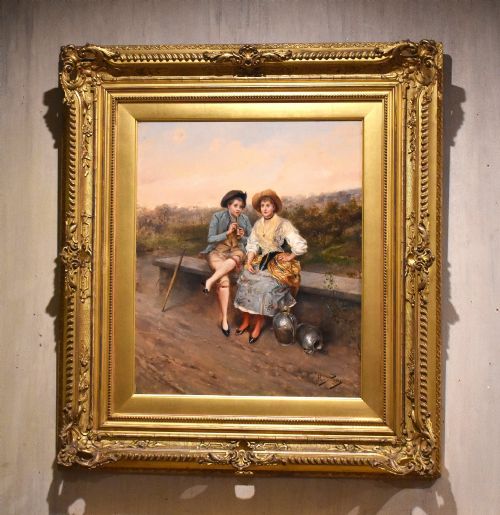
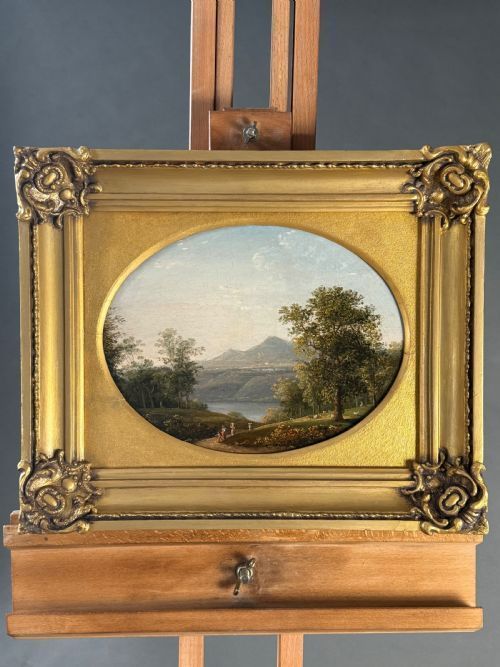
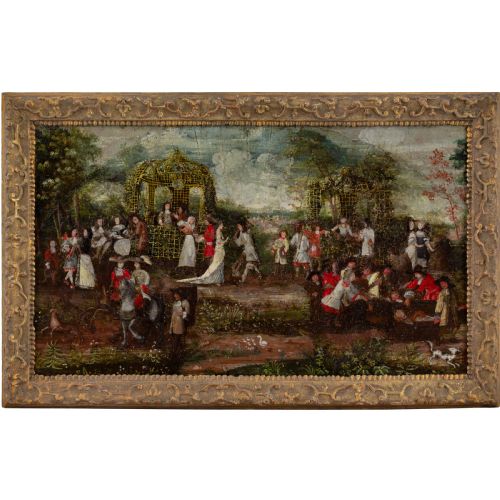
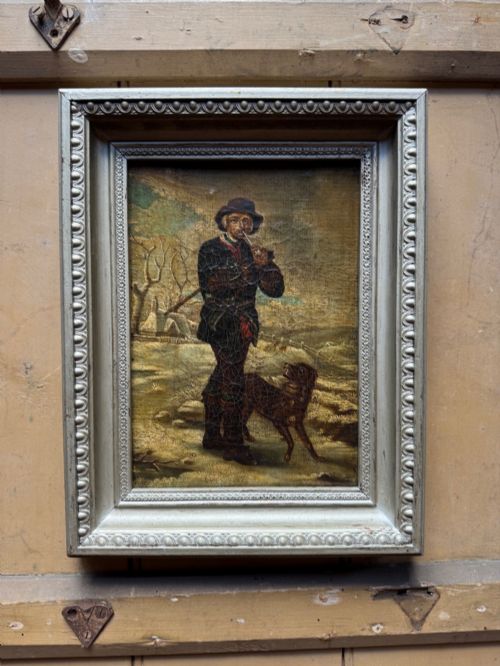
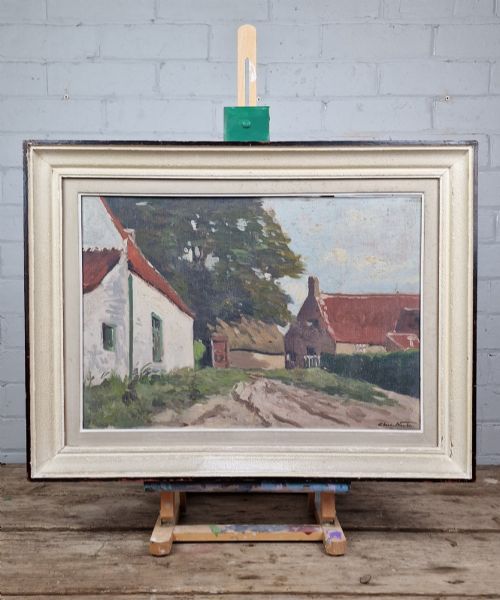
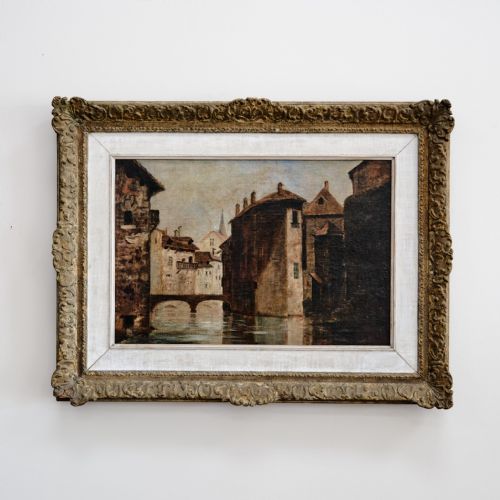
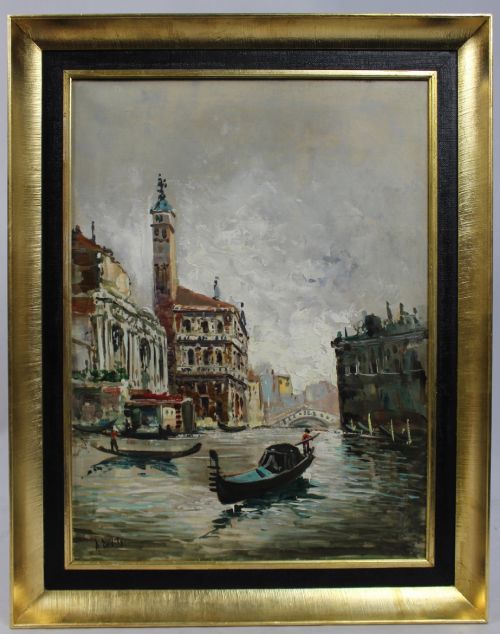
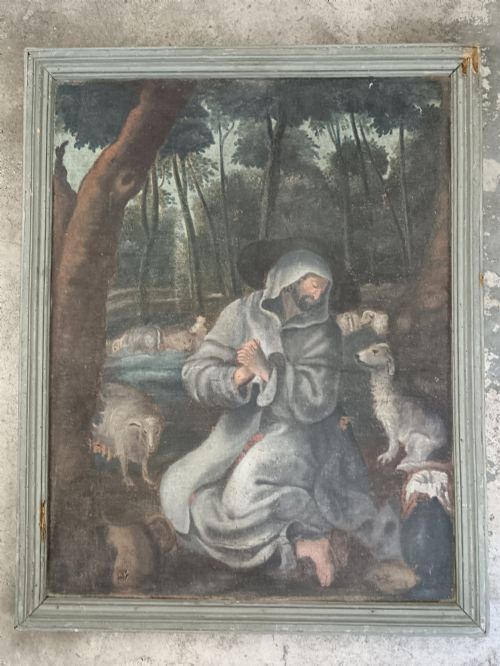
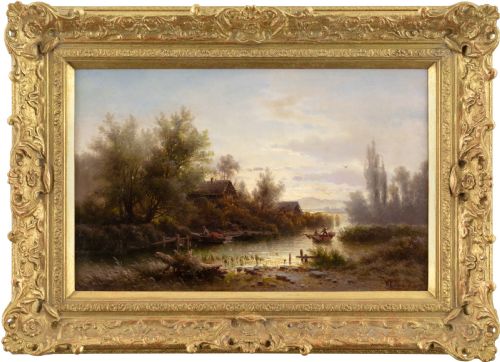
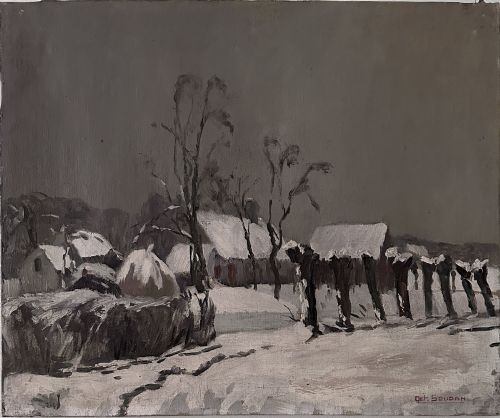
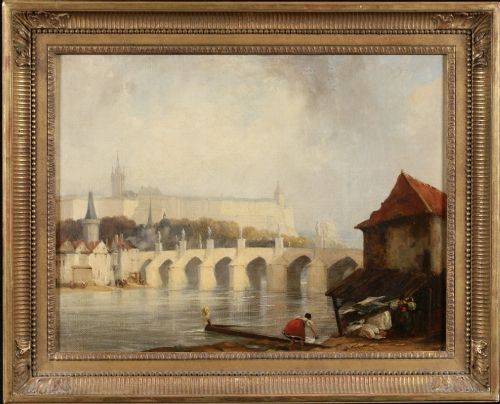
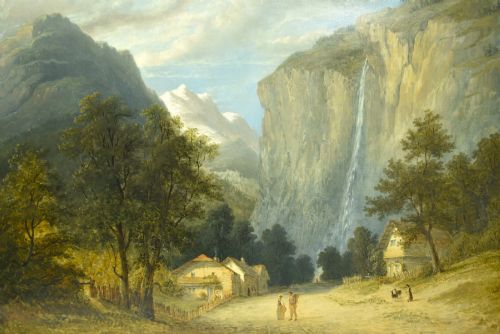
When you search for european landscape art, you find works ranging from seventeenth-century Flemish panels and Dutch scenes to nineteenth-century watercolours and mid-century impressionist views. The selection includes rural farmyards, alpine lakes, winter villages, and bustling continental markets.
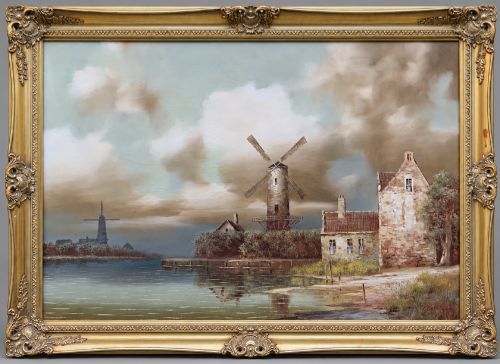
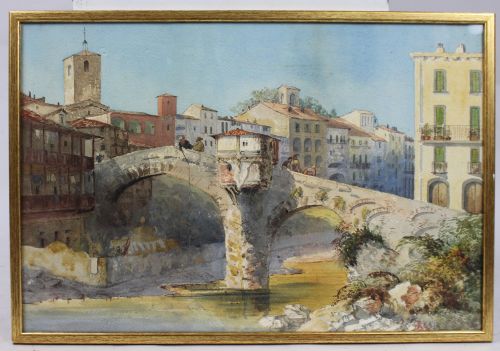
You are most likely to meet nineteenth-century oil paintings and mid-century canvases on this page, reflecting widespread European traditions of painting nature and urban environments. These pieces capture specific localities, from Italianate watercolours to Dutch windmill scenes.
The category encompasses diverse formats including oil on canvas, panel, board, and tapestries. Each piece records a distinct regional school, such as the Dutch School or French post-impressionism.
How european landscape art was produced
Painters utilised oil paint on canvas, wood panels, or boards to build up rich textures and atmospheric light in their depictions of scenery. Many period frames incorporate gesso, giltwood, and gold leaf to complement the painted surface.
Watercolour pigments on paper capture lighter, more translucent continental views, while historical tapestries employ woven threads to create large verdure landscapes.
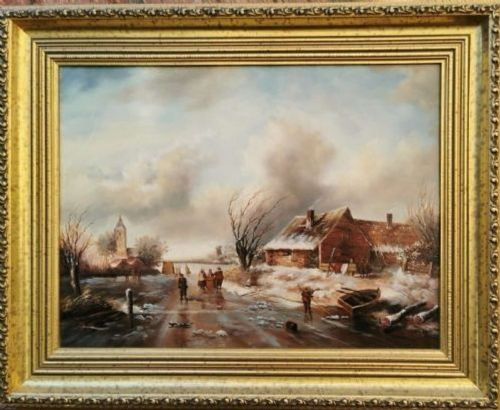
Several winter scenes capture children ice skating on frozen Dutch waterways, bringing centuries-old chilly recreation straight to your wall.
What varies in quality
The strength of composition and brushwork separates standard decorative views from works of distinct artistic ambition. Masterful handling of light, shadow, and atmospheric depth distinguishes accomplished painters from lesser practitioners.
The preservation of the original paint layer, canvas integrity, and period framing influences the overall integrity of the surviving artwork.
Alonso Perez·Jacob Philipp Hackert·Charles Houben·Antonio DeVity·Albert Rieger·Paul-Élie Gernez·Cecil Rochfort D'Oyly-John·Mercedes Legrand·Frederick Tully Lott·William George Meadows·Hendricus Joseph Dillens·Pieter Bout·Adriaen Frans Boudewyns·Jan Evert Morel
The European Landscape Art Glossary
- Oil paint
- A slow-drying medium consisting of pigment suspended in a drying oil, typically linseed oil. This was the primary medium for most historic European paintings on this page.
- Giltwood
- Wood that has been carved and coated with gold leaf or gold paint. This technique frequently appears on the decorative frames enclosing period canvases.
- Watercolour
- Paint made of pigments suspended in a water-soluble vehicle, used primarily on paper. These works offer a lighter alternative to heavier oil paintings.
- Gesso
- A paint mixture consisting of a neutral binder mixed with chalk, gypsum, or pigment. It serves as a prepared surface for wood panels or frames before gilding or painting.
- Panel
- A flat piece of wood used as a rigid support for paintings instead of canvas. Seventeenth-century works frequently utilise wooden panels.
European Landscape Art: Frequently Asked Questions
What periods do these paintings cover?
The works span from the seventeenth century through the nineteenth century and into the mid-twentieth century. Each era brings distinct stylistic approaches to continental scenery.
Earlier pieces often reflect Flemish or Dutch traditions, while later works embrace impressionism and post-impressionism.
Are these works painted on canvas?
Many pieces utilise oil on canvas, which became a standard support for European painters from the seventeenth century onward. Artists also employed wood panels and board supports.
Watercolours on paper and woven tapestries further broaden the physical formats found within this category.
How do I identify regional schools?
Regional styles often emerge through subject matter, such as Dutch windmills, Italian canals, or alpine mountains. Signatures and archival records further connect works to specific European schools.
Brushwork techniques and framing styles also provide clues to the geographic origin of each piece.
How should I care for an oil painting?
Keep paintings away from direct sunlight and dramatic fluctuations in temperature or humidity to protect the canvas and paint layers. Dust gently with a soft, dry brush without applying pressure.
Avoid using liquid cleaners on the painted surface or the surrounding giltwood frames.