



European Fine Art Canvas
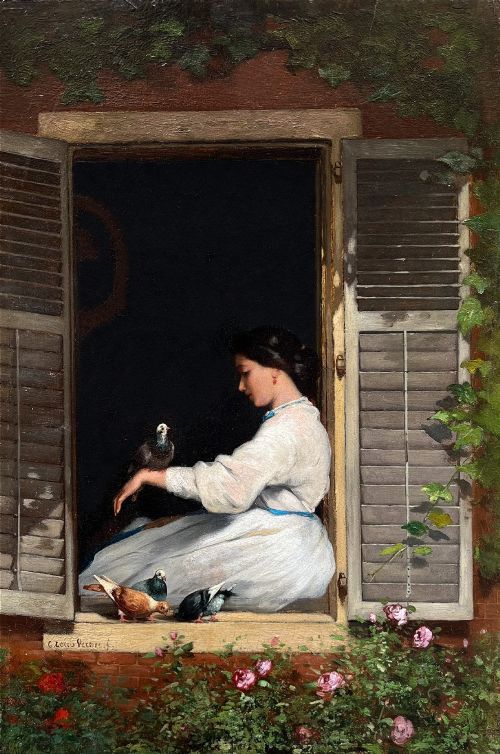
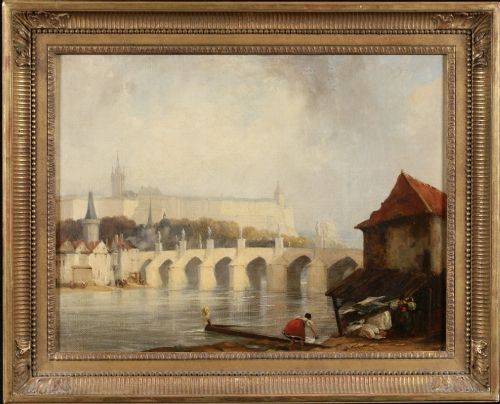
These european fine art canvas works span centuries of portraiture, landscape, and genre scenes, offering tangible connections to past European artistic traditions.
European Fine Art Canvas
European fine art canvas pieces encompass oil paintings produced across the seventeenth, eighteenth, nineteenth, and early twentieth centuries by various regional schools.
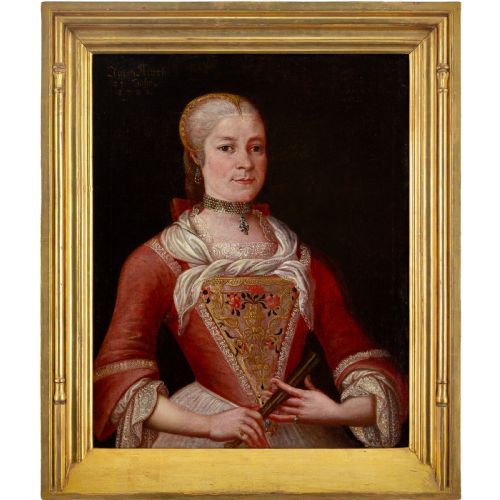
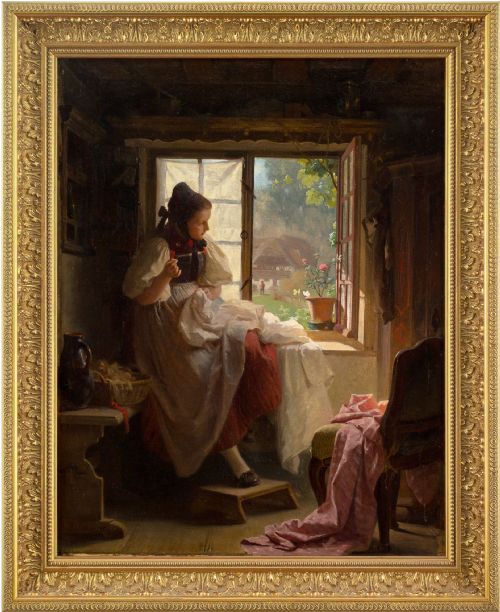
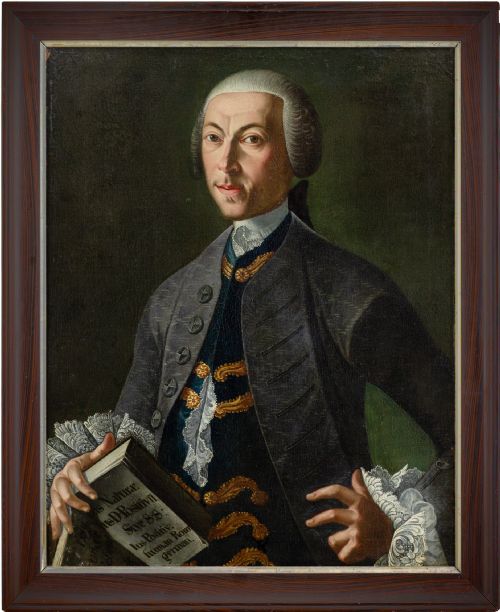
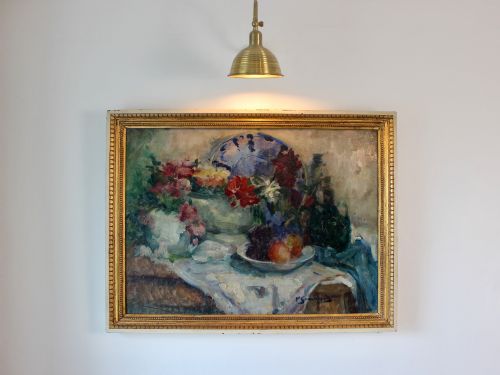
Buyers encounter portraits of gentlemen and ladies, floral still lifes, mountainous landscapes, and village scenes originating from British, Dutch, German, Flemish, and Belgian artists.
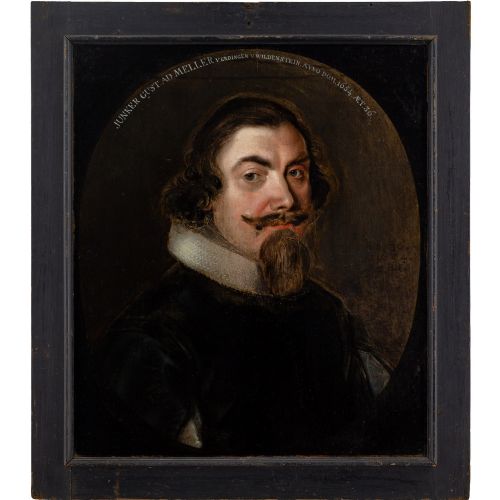
The selection ranges from early Dutch school portraits with ruffs to later Impressionist, Post-Impressionist, and avant-garde compositions on woven fabric supports.
How they were made
Techniques varied from meticulous Dutch Golden Age realism and nineteenth-century academic portraiture to looser, luminous brushwork characteristic of later Impressionist and Luminist movements.
Several portraits feature subjects wearing stiff white ruffs that look entirely impractical for eating soup.
What varies in quality
Quality rests in the precision of the brushwork, the depth of anatomical or spatial composition, and the handling of light within the painted surface.
The sophistication of the original school or the established standing of the named artist separates standard regional decorative works from superior master paintings.
Max Kaltenmoser·Louis Charles Verwee·Frans Gailliard·Jules Rambo·Mercedes Legrand·Frederick Tully Lott·Hendricus Joseph Dillens·Jean Hippolyte Marchand·Franz Reder-Broili·Karel Frans Philippeau·Louis Smets·Wilhelm Alexander Meyerheim·Paul Paul·Christiaan Pieter Snyders·Letitia Marion Hamilton
The European Fine Art Canvas Glossary
- Oil on Canvas
- A painting medium where pigments are suspended in a drying oil, applied to a woven fabric support. This combination offers flexibility and rich colour depth.
- Giltwood
- Wood carved and coated with gold leaf or a gold-coloured metallic finish. It forms the decorative framing surrounding many historic canvases.
- Gesso
- A paint mixture consisting of a neutral binder mixed with chalk, gypsum, or pigment. It prepares wooden panels or canvas grounds for oil painting.
- Genre Painting
- The pictorial representation of scenes from everyday life, typically involving ordinary people in domestic interiors or street settings.
European Fine Art Canvas: Frequently Asked Questions
How do I identify the period of an oil painting?
Examine the style of portraiture, costume details, or landscape conventions, alongside stretcher construction and canvas texture.
Signatures, framing styles, and conservation marks on the reverse of the canvas also provide clues to the approximate date of creation.
Where should I hang a historic canvas?
Select an interior wall away from direct sunlight, heating vents, and excessive moisture to protect the oil paint and canvas.
Ensure the hanging environment maintains stable temperature conditions to prevent the wood stretcher and canvas from warping.
What is the difference between Dutch Golden Age and 19th-century works?
Dutch Golden Age paintings from the seventeenth century often feature formal portraiture with ruffs or dark, dramatic landscape tones.
Nineteenth-century pieces tend toward looser brushwork, broader colour palettes, and varied subjects including genre scenes and plein-air landscapes.
How are these paintings framed?
These works are typically housed in period frames made of wood, often finished with gesso and giltwood detailing.
Some frames reflect the specific aesthetic of the painting's era, ranging from ornate baroque mouldings to simpler nineteenth-century profiles.