







European Furniture
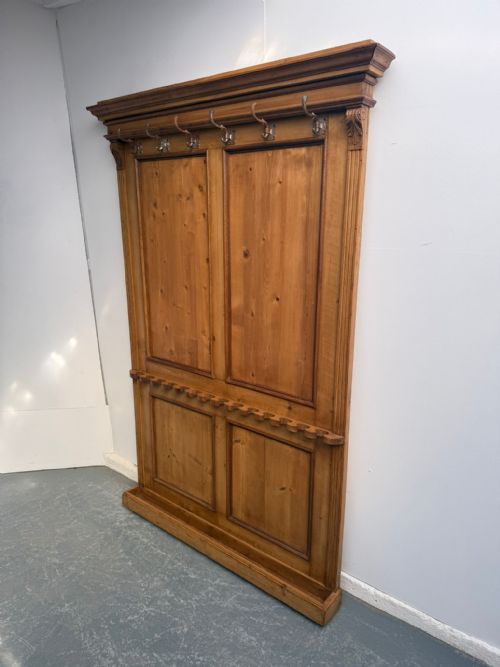
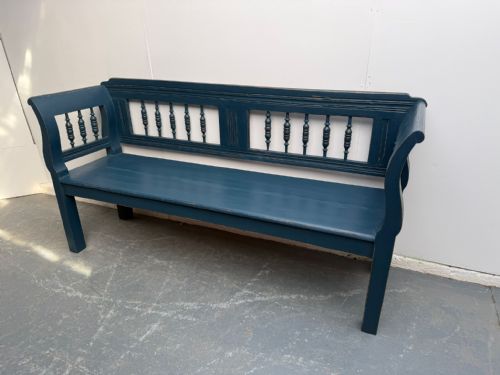
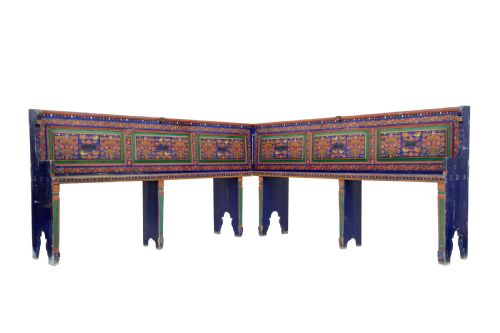
European antique furniture encompasses robust pine benches, walnut commodes, and painted folk pieces carrying centuries of continental craft.
European Furniture
European antique furniture covers a diverse range of utilitarian domestic objects spanning the eighteenth, nineteenth, and early twentieth centuries. Pieces originate from diverse regions, including Dutch colonial territories, Italy, and Central and Eastern Europe.
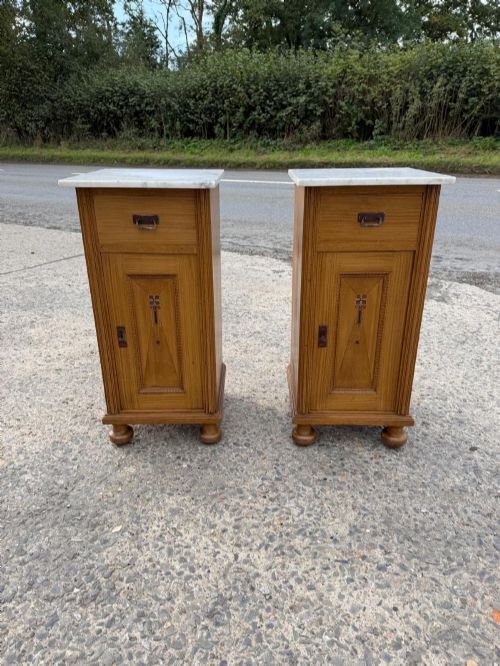
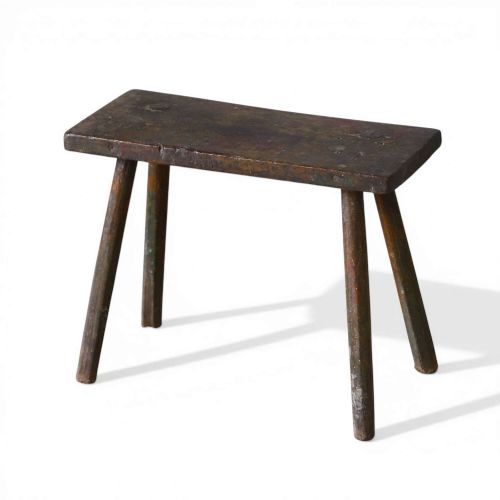
Buyers searching this phrase most frequently encounter practical storage and seating forms rooted in rural traditions. These include pine settles, painted cupboards, commodes, chests of drawers, and milking stools.
Regional vernacular styles dominate the selection, highlighting distinct local traditions such as Austrian, Hungarian, and Dutch colonial woodworking and finishing techniques.
Materials and construction
Makers utilised solid timbers native to their regions, predominantly working in pine, walnut, oak, and other hardwoods. Surviving surfaces frequently retain original paint in blue, green, black, or red, alongside waxed finishes.
Construction methods prioritize durability and daily utility, utilising robust joinery suited to country benches, large dressers, and storage coffers. Metal elements such as brass and iron appear primarily as functional furniture mounts and hardware.
European Furniture Retail Price Guide 2026
Typical asking prices for european furniture among the pieces listed under this phrase on Sellingantiques today, from the lower quarter to the upper quarter. They describe what is for sale here now, not the wider market.
Listings feature eighteenth and nineteenth-century European pieces, highlighting pine, walnut, and painted folk finishes across forms like settles, commodes, and cupboards.
Judging quality and integrity
Quality rests on the survival of original surface finishes, particularly intact early or original paint schemes that impart distinct character. Pieces retaining their primary hardware and uncompromised structural timbers hold greater integrity.
The sophistication of regional carving and the balance of proportions distinguish exceptional folk items from standard utilitarian wares. Authenticity of the period surface treatment remains paramount in determining the merit of regional European pieces.
The European Furniture Glossary
- Settle
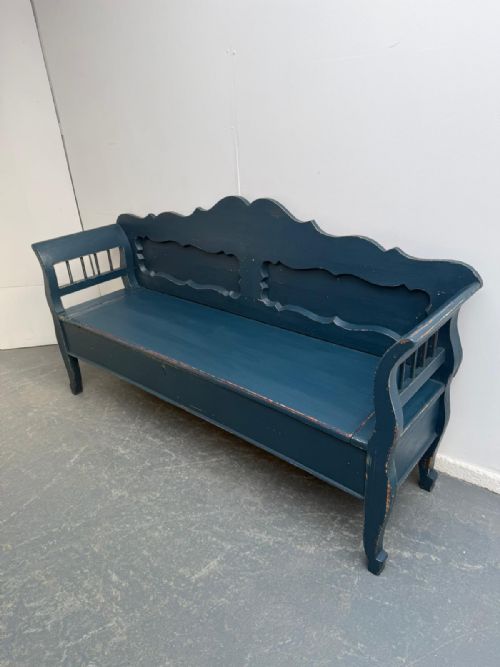
- A wooden wooden bench featuring a high back, solid arms, and often a storage compartment beneath the seat. This form provided shelter from drafts in period domestic interiors.
- Commode
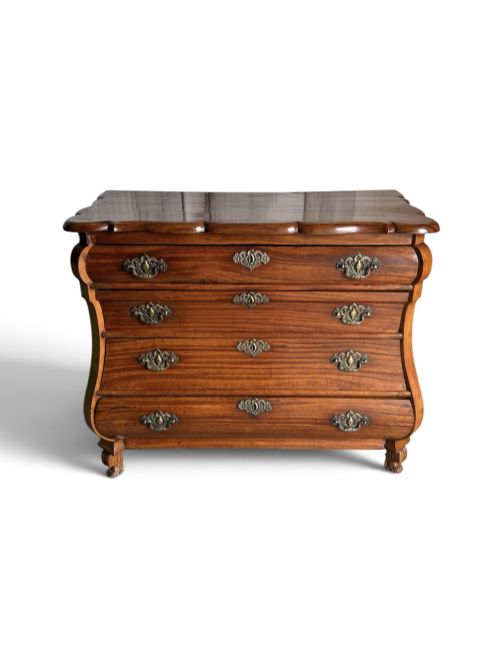
- A low chest of drawers or cabinet designed for bedroom or parlour use. Continental examples frequently display serpentine or bombe fronts executed in walnut.
- Bombe
- A bulging, swelling contour found on the front and sides of advanced case furniture. This curvilinear form demands advanced cabinetmaking skill.
- Chinoiserie
- European decorative style reflecting Chinese artistic motifs, popular in painted and lacquered furniture of the early twentieth century. It utilises intricate ornamental scenes.
European Furniture: Frequently Asked Questions
What defines European folk furniture?
European folk furniture comprises utilitarian household items made by regional craftspeople using local timbers. These pieces often feature bright original painted surfaces and practical designs tailored to rural homes.
Such items range from simple milking stools to large settles and dressers, reflecting the distinct domestic traditions of Central and Eastern Europe.
How do I care for antique pine furniture?
Maintain antique pine pieces by keeping them away from direct heat sources and strong sunlight, which can dry out the timber and crack painted surfaces. Regular gentle dusting preserves the dry or waxed finish.
Avoid using modern chemical polishes on pieces with original paint, as harsh solvents can permanently damage fragile historical pigments.
Where were painted pine cupboards made?
Painted pine cupboards and commodes originated across Austria, Hungary, and wider Eastern Europe during the eighteenth and nineteenth centuries. Local workshops constructed them for everyday domestic storage.
Many survive with their original blue, green, or red painted finishes, reflecting distinct regional decorative preferences of the period.
What is a Dutch colonial chest?
A Dutch colonial chest is a storage piece produced under Dutch influence in overseas territories, often utilising dense exotic timbers like solid satinwood. These items combine European case forms with local craftsmanship.
Advanced examples feature pronounced shapes such as bombe fronts, demonstrating high-level cabinetmaking executed in durable hardwoods.