







Etched Red Glass
Etched red glass pieces bring striking crimson tones and intricate surface decoration to nineteenth and twentieth-century interiors.
Etched Red Glass
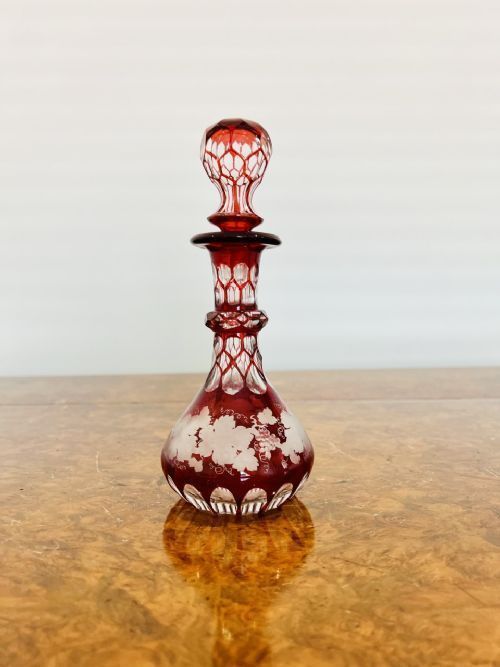
When you search for etched red glass, you encounter a variety of decorative and functional vessels spanning the Victorian era through the Art Deco period. These objects encompass table lamps, decanters, scent bottles, and vases created in rich shades of ruby and cranberry.
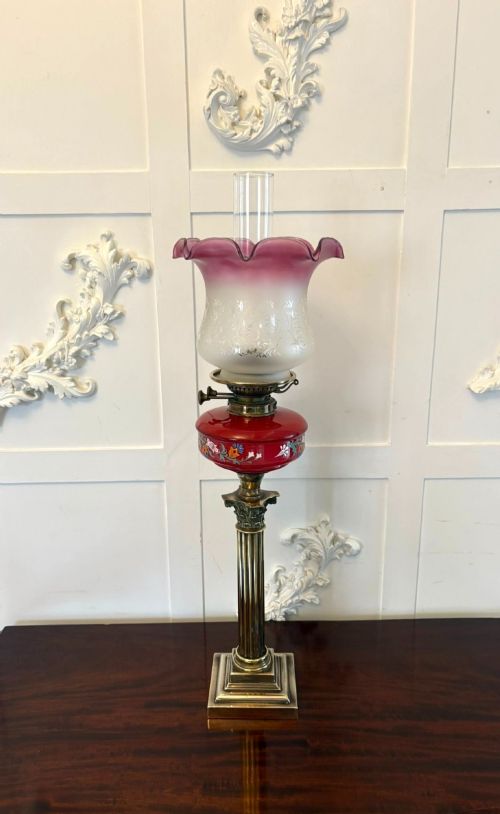
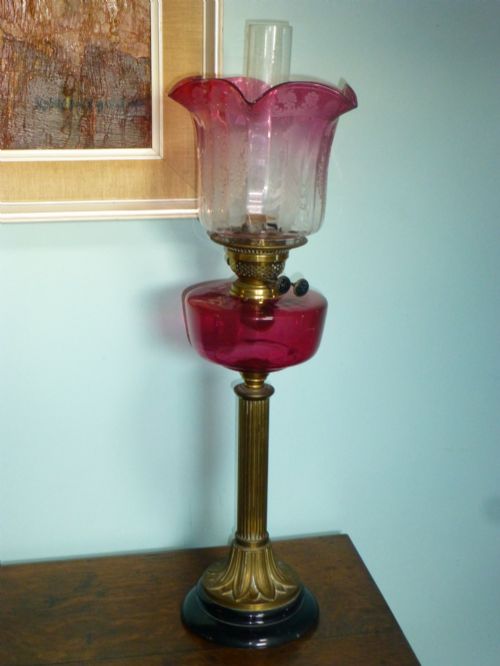
The pieces on this page originate from British, French, and Bohemian makers, reflecting styles from Victorian traditionalism to Art Nouveau and Art Deco. Vases and oil lamps with coloured fonts or shades dominate the selection, alongside matched pairs of decanters and tumblers.
How they were made
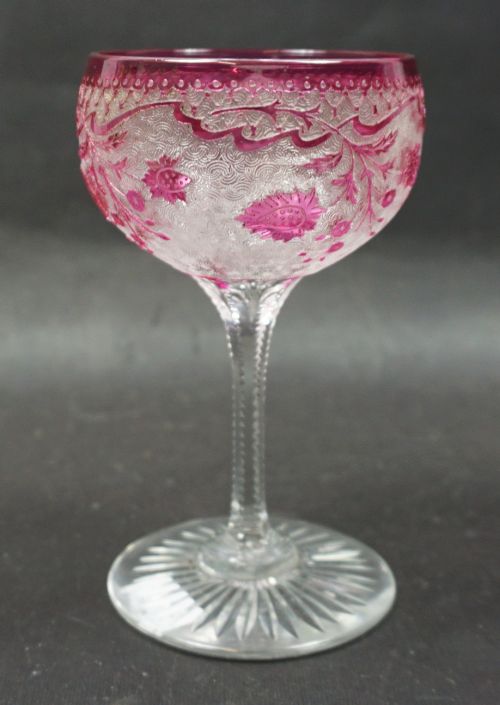
The creation of these items involves glass in ruby, cranberry, and red-over-crystal colourways, frequently combined with brass mounts, silver plating, or enamel detailing. Artisans utilised acid-etching and engraving techniques to cut designs through the outer layer of glass, revealing the contrasting clear or yellow ground beneath.
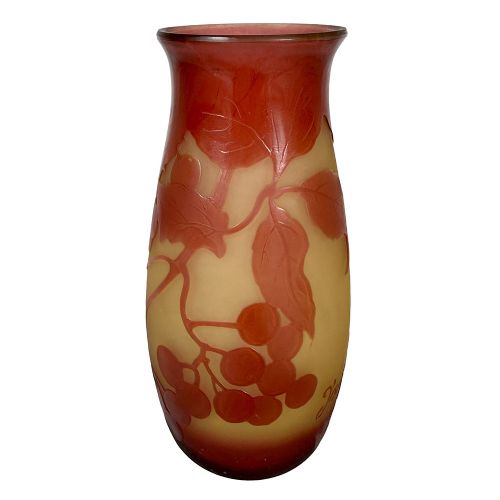
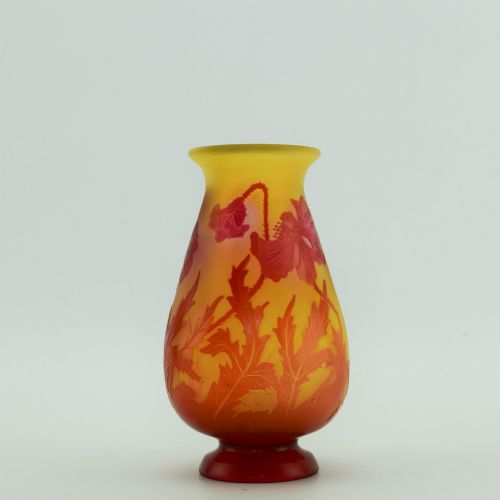
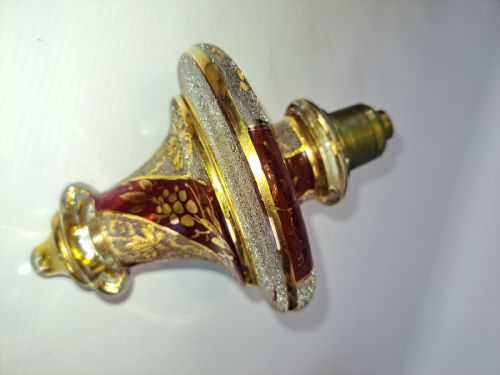
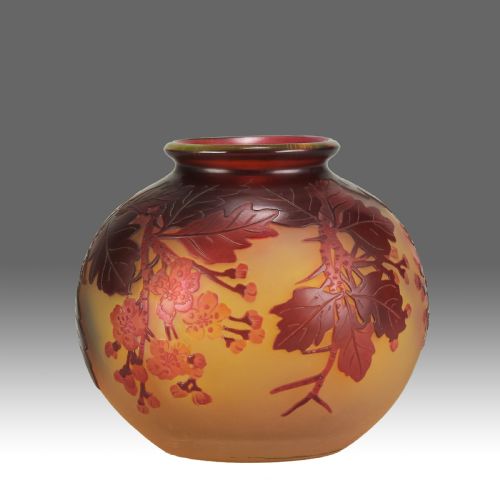
Makers also employed cameo glass techniques, layering different coloured glass before carving intricate floral or botanical motifs by hand. Gilding and reverse painting add further surface complexity to specific Bohemian and Victorian examples.
Etched Red Glass Retail Price Guide 2026
Typical asking prices for etched red glass among the pieces listed under this phrase on Sellingantiques today, from the lower quarter to the upper quarter. They describe what is for sale here now, not the wider market.
The listings span the Victorian era, Art Nouveau, and Art Deco periods, featuring materials such as cameo glass, brass, enamel, and cranberry glass.
What varies in quality
The distinction between standard production and the finest work rests upon the depth and precision of the carving or etching. Crisp definition in floral motifs and substantial weight in the underlying glass vessel indicate superior craftsmanship.
The integration of secondary materials, such as solid brass columns, silver components, or layered cameo casing, separates ordinary decorative objects from exceptional studio pieces.
Baccarat·D’Argental·Emile Galle·Karl Palda·Thomas Webb and Sons
The Etched Red Glass Glossary
- Cranberry glass
- A transparent pinkish-red glass coloured by the addition of gold chloride during manufacture. This material frequently appears in Victorian oil lamps and decanters.
- Cameo glass
- An art glass technique produced by etching or carving through multiple fused layers of contrasting colours to create a raised design. French and English makers perfected this method.
- Ruby glass
- A deep red glass created using copper or gold oxide in the molten batch. It forms the base material for many Bohemian and Victorian table pieces.
- Flash glass
- A thin layer of coloured glass applied over a body of clear or contrasting glass before being cut or etched away. This method produces sharp two-tone decorative effects.
- Acid-etched glass
- Glass decorated by applying acid to eat away exposed surfaces while protecting masked areas with a resist. The process creates matte designs against glossy backgrounds.
Etched Red Glass: Frequently Asked Questions
How do I clean etched red glass?
Wash the glass gently in lukewarm water using a mild, non-abrasive detergent and a soft cloth. Avoid harsh scrubbing brushes that can scratch the surface or damage delicate gilt highlights.
Dry the vessel thoroughly with a lint-free cloth to prevent water spots, particularly around engraved or acid-etched recesses where moisture can linger.
How can I tell Victorian pieces from Art Deco ones?
Victorian items typically feature ornate botanical motifs, Corinthian columns, and heavy brass or silver-plated mounts. The glasswork tends towards romantic floral engraving and deep cranberry hues.
Art Deco examples showcase geometric patterns, stylised motifs, and sleek profiles designed by makers such as Karl Palda. The colour palette often incorporates stark contrasts and silver enamel detailing.
What is the difference between ruby and cranberry glass?
Ruby glass possesses a deeper, darker red tone achieved primarily through copper or gold additives. It appears frequently in heavier Bohemian decanters and cut-glass vessels.
Cranberry glass exhibits a lighter, pinker translucent quality derived from gold chloride. This lighter shade defines many Victorian oil lamp fonts and tableware items.