




Etched Glass Pendant Lantern
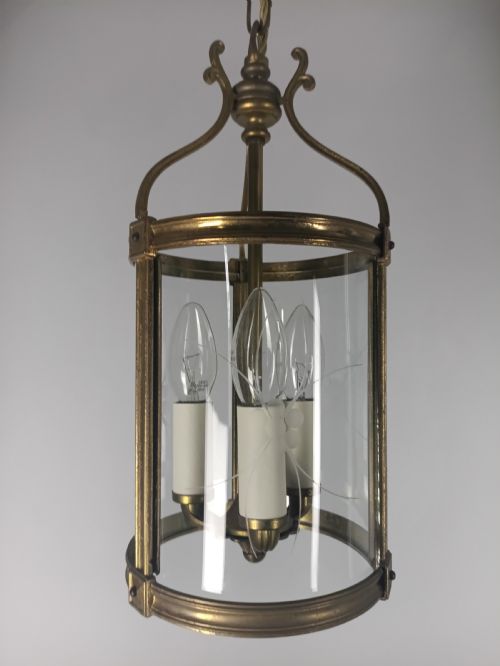
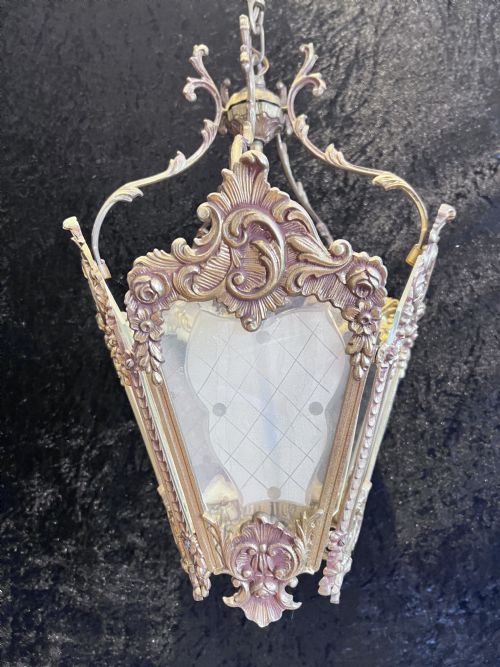
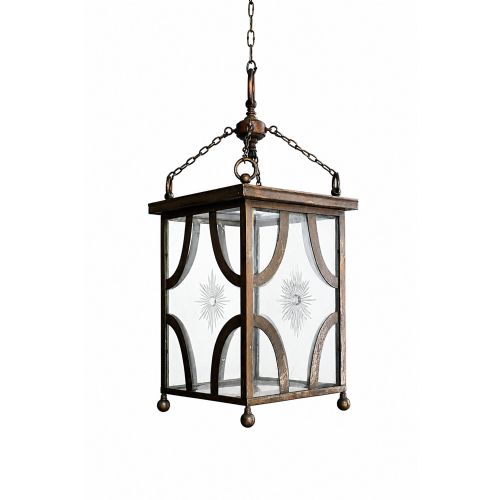
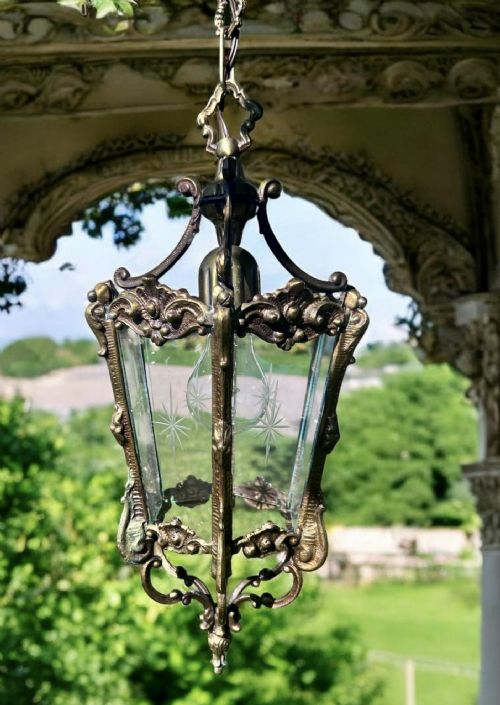
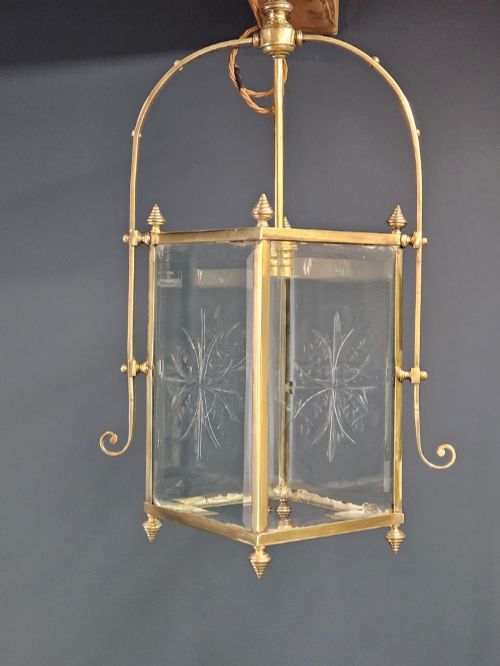
An etched glass pendant lantern hangs in a hallway or entrance, diffusing light through patterned panes and cast frames to set a formal tone.
Etched Glass Pendant Lantern
The search phrase brings up a collection of ceiling lights and hall lanterns primarily originating from the Victorian, Edwardian, and Art Deco periods, alongside pieces dating around nineteen thirty. These fixtures serve as functional overhead illumination for corridors, entryways, and reception spaces.
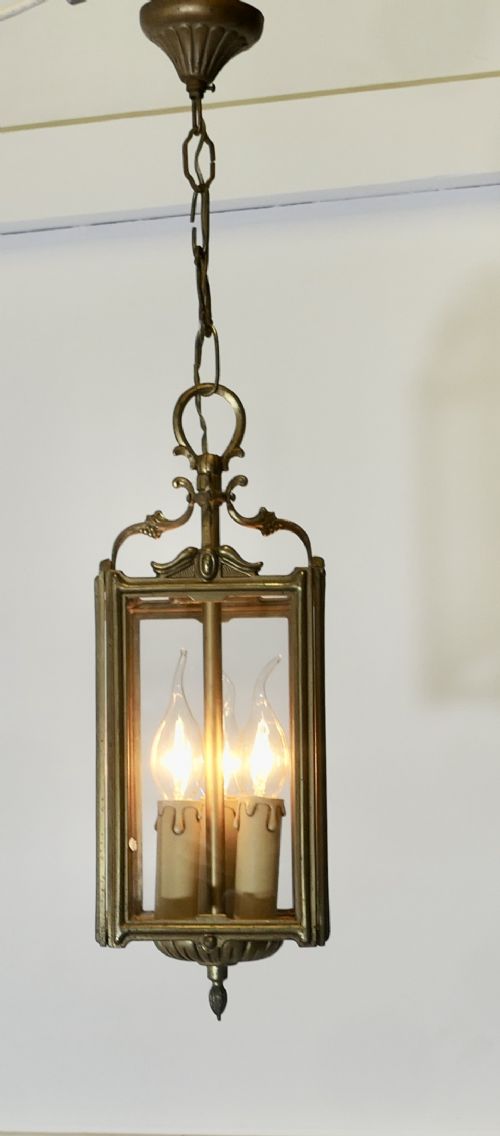
French examples dominate the selection, often taking the form of gilt brass or bronze frames fitted with glass panels. Alongside these continental designs, English hallway lanterns and Italian silver gilded pieces appear within the current listings.
Forms range from small single light pendants to large triple light chandeliers and convex hall lanterns. The inclusion of styles such as French Rococo, Gothic Revival, and Louis XVI demonstrates the diverse decorative influences applied to these hanging lights.
Materials and construction methods
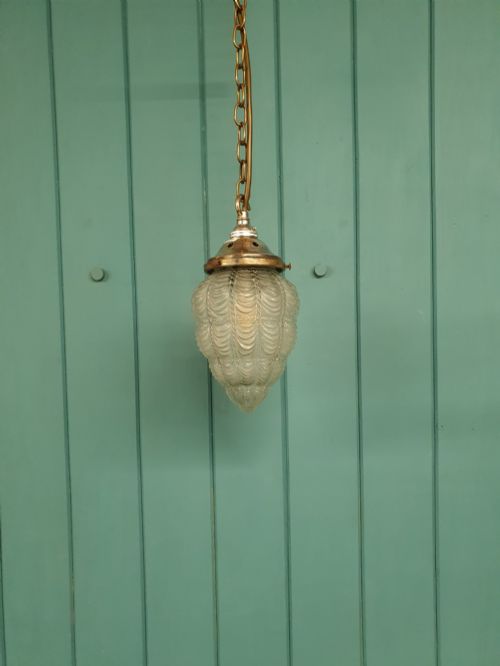
Enclosing the light source are panels of etched glass, frosted glass, or pressed glass. Etching techniques create decorative patterns upon the glass surface, softening the internal illumination.
Several lanterns still carry the literal weight of history, having transitioned from burning tallow candles to handling modern electricity.
Judging quality in period lanterns
Quality reveals itself in the weight and crispness of the metal casting, particularly on brass and gilt bronze frames where fine chasing defines the ornamentation. Superior pieces exhibit precise joints and substantial metal gauges rather than thin, pressed sheet construction.
The depth and clarity of the glass decoration distinguish finer examples, as hand-etched or heavily frosted panels diffuse light with greater subtlety than plain pressed alternatives. Original hanging mechanisms, robust internal fixings, and intact period glass add to the integrity of a fixture.
The Etched Glass Pendant Lantern Glossary
- Etched glass
- Glass treated with acid or abrasive techniques to cut decorative patterns into the surface. This process creates opaque designs that diffuse light effectively.
- Gilt brass
- Brass that has been treated with a thin layer of gold leaf or gilt wash to impart a richer metallic finish. It was frequently used in French period lighting to mimic solid gold.
- Hall lantern
- An overhead lighting fixture specifically designed for narrow corridors and entrance halls. They typically feature enclosed glass sides and secure ceiling suspension.
- Convex glass
- Curved glass panes used in lantern construction to project outward from the frame. This shape alters the dispersion of light within a space.
- Pendant light
- A single light fixture suspended from the ceiling by a cord, chain, or metal rod. These fixtures hang downward to illuminate specific zones.
Etched Glass Pendant Lantern: Frequently Asked Questions
Where should a pendant lantern be hung?
These lanterns function best in entrance halls, stairwells, and high-ceilinged corridors where their vertical proportions and enclosed glass panels can be appreciated. They provide focused overhead illumination while serving as an architectural feature upon entry.
Sizing matters in relation to the surrounding space, so large multi-light examples suit expansive reception areas, while smaller single light pendants fit modest hallways.
How do I identify a French period lantern?
French pieces frequently employ gilt brass or bronze frames decorated in Louis XVI, Rococo, or Arts and Crafts styles. The metal casting often shows high relief ornamentation and distinctive proportional elegance.
Constructive details such as convex glass panes and specific latch mechanisms on the opening panels also point toward continental workshops of the nineteenth and early twentieth centuries.
Were these lanterns originally wired for electricity?
Many early pieces, particularly those dating to the Victorian era and earlier, were initially designed for candles or gas before being converted for modern electrical wiring. Surviving examples often show evidence of rewiring or adaptation to accommodate standard lamp fittings.
Conversion methods vary, but professional rewiring ensures safe integration into contemporary electrical systems while retaining the original frame and glass shade.