

Etched Brass Table
An etched brass table or associated brass lighting brings warmth and surface pattern into a room through nineteenth-century metalwork.
Etched Brass Table
When you search for an etched brass table, you encounter a selection centred heavily on nineteenth-century and early twentieth-century brass lighting, wall chargers, and occasional serving pieces.
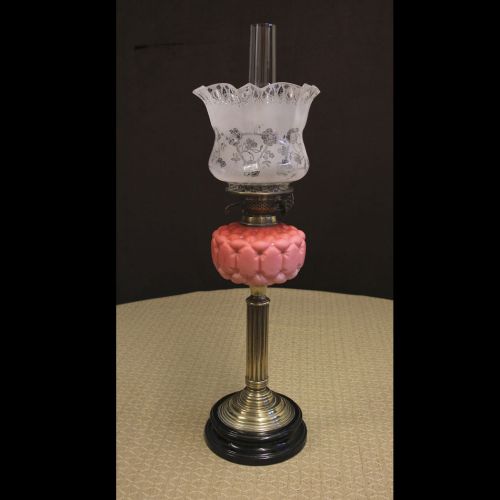
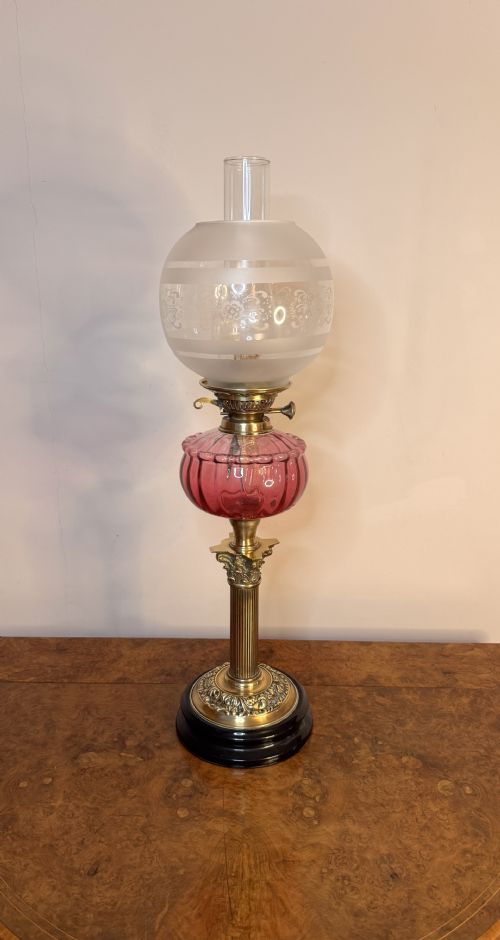
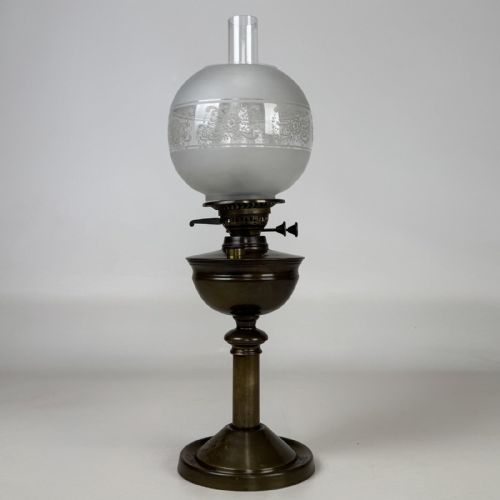
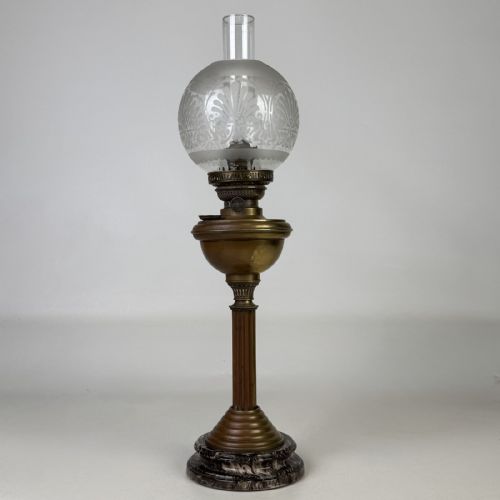
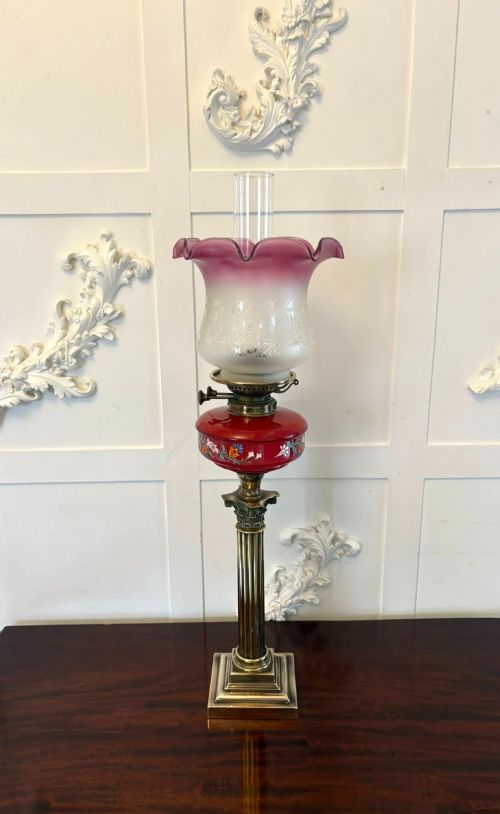
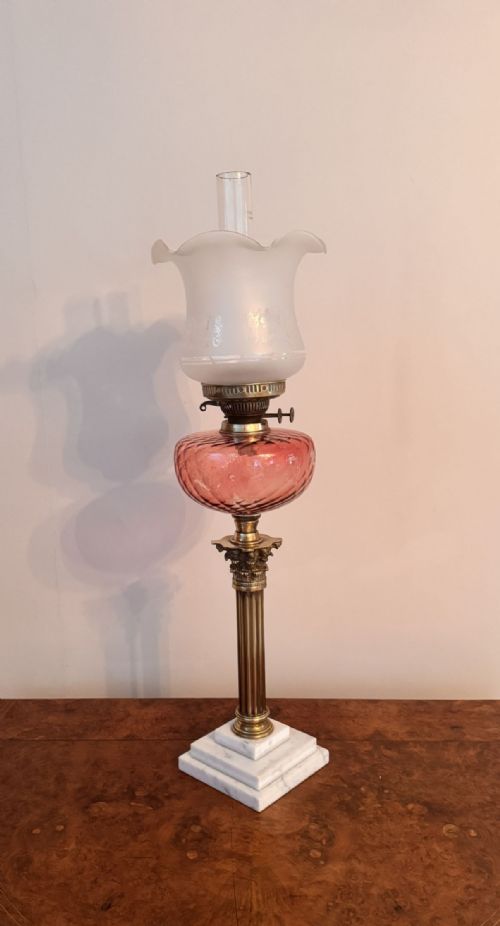
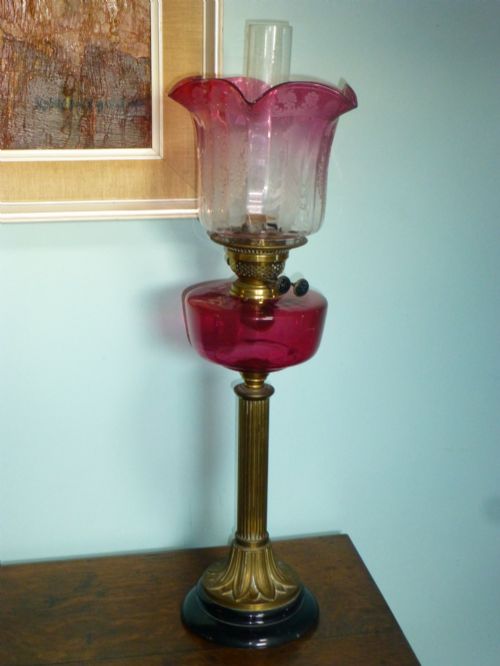
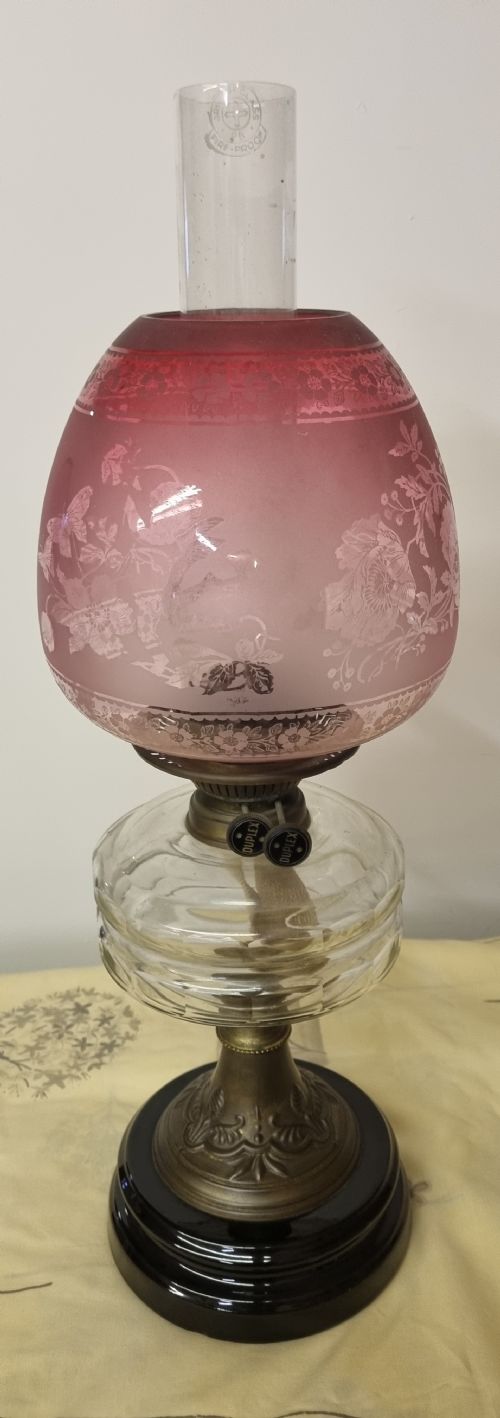
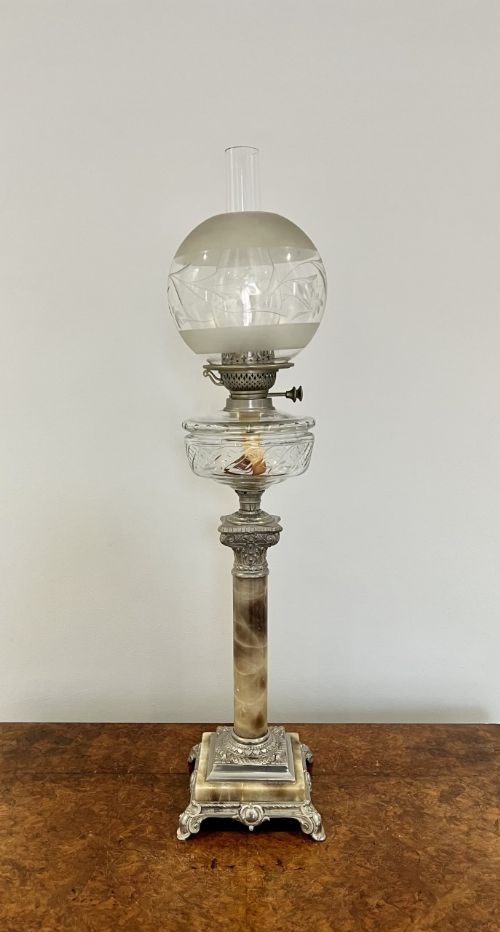
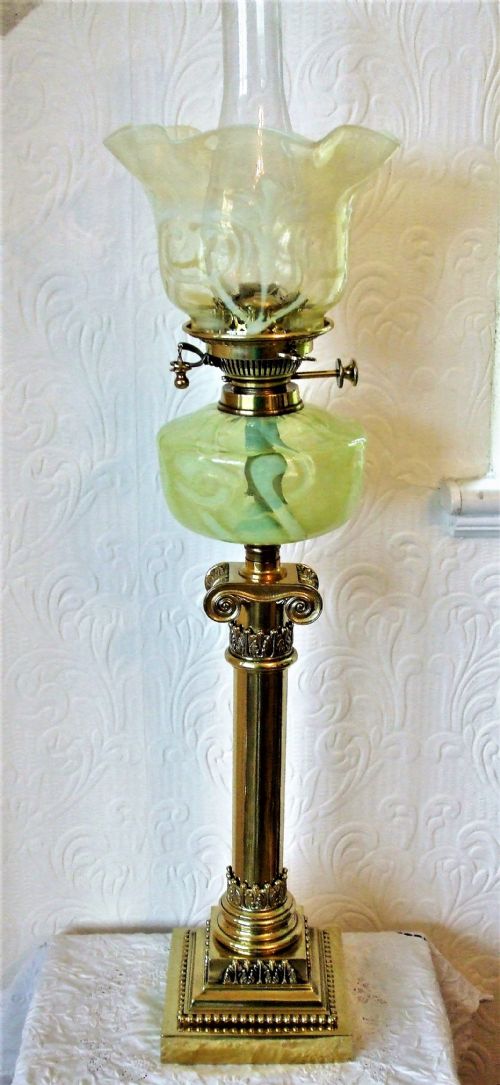
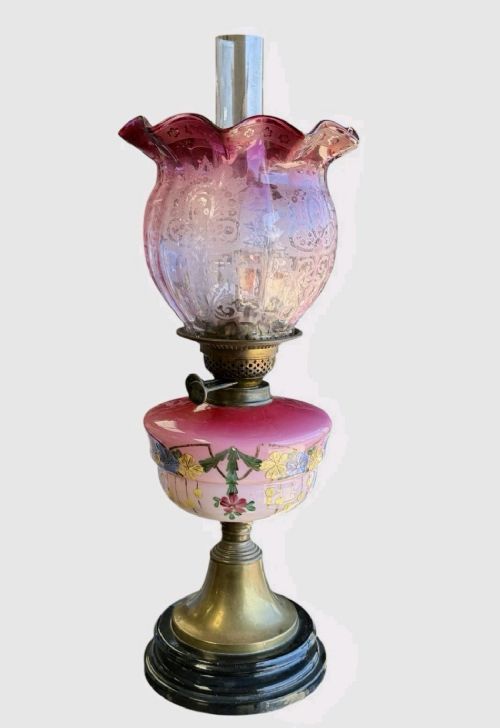
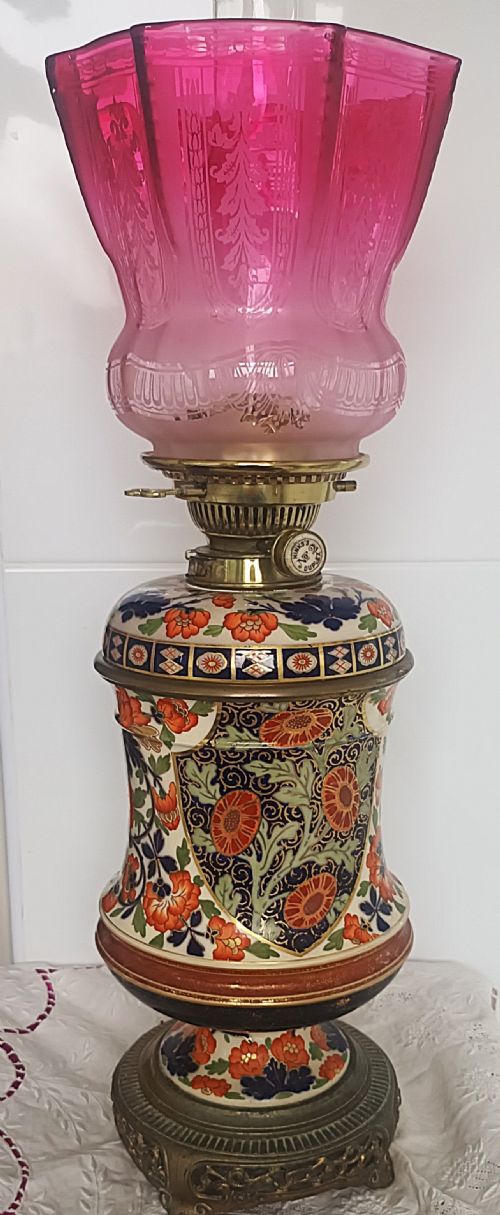
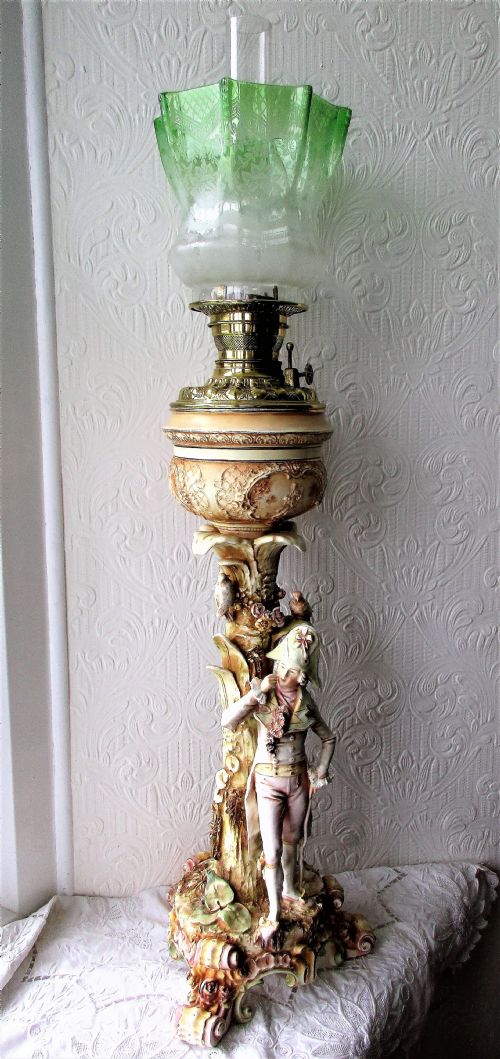
The most common forms on this page are Victorian oil lamps featuring brass columns, paired frequently with cranberry glass, frosted glass, or cut glass shades.
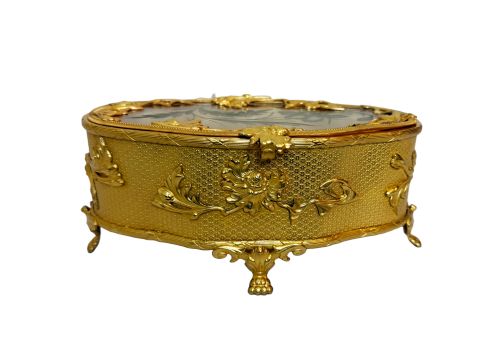
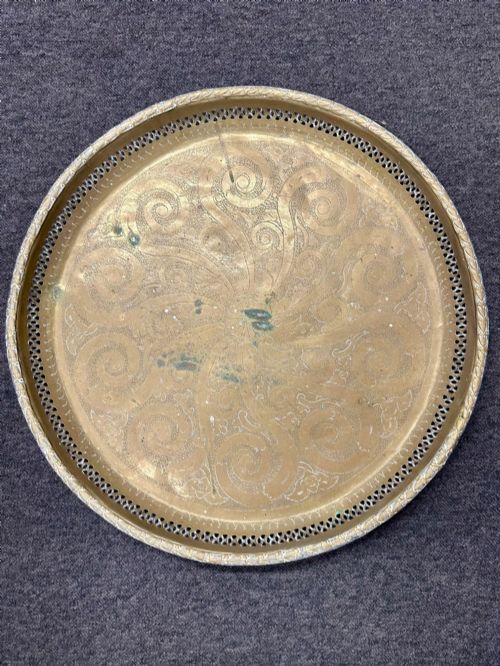
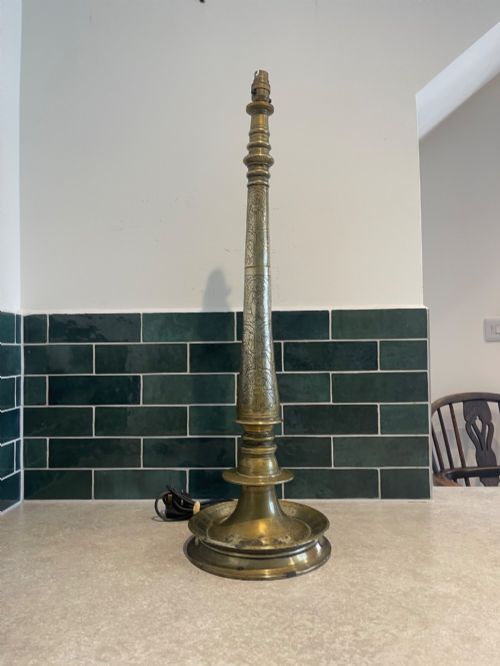
Other recurring items include Indian engraved brass wall chargers, trays, and hand gongs alongside occasional decorative desks lamps and coffee tables spanning the Victorian and Edwardian eras.
How they were made
Makers utilised cast and turned brass for columns and bases, often incorporating Corinthian or Ionic capitals on taller lamp bodies.
Surface ornament relied on hand engraving and piercing, particularly on Anglo-Indian chargers and trays, while glass components combined blown, etched, and frosted techniques in ruby, cranberry, and clear finishes.
Etched Brass Table Retail Price Guide 2026
Typical asking prices for etched brass table among the pieces listed under this phrase on Sellingantiques today, from the lower quarter to the upper quarter. They describe what is for sale here now, not the wider market.
Several lamps feature spirit-dispensing barrels alongside botanical glass shades for unexpected Victorian hospitality.
What varies in quality
The distinction between standard production items and superior examples rests on the crispness of the brass casting and the depth of the hand engraving.
Quality shows in the weight of the metal components, the proportion of the columns, and the integration of contrasting materials such as marble, onyx, and hand-painted porcelain or coloured glass fonts.
The Etched Brass Table Glossary
- Duplex burner
- A double-wick burner mechanism common on nineteenth-century oil lamps that provided a brighter illumination than single-wick designs.
- Wall charger
- A large decorative metal plate intended for hanging on a wall rather than serving food, often featuring detailed engraved or pierced patterns.
- Corinthian column
- An architectural column style featuring ornate acanthus leaves on the capital, frequently adapted for the stems of Victorian table lamps.
- Cranberry glass
- A rich red-pink transparent glass created by adding gold chloride to the molten mixture, popular for Victorian lamp fonts and shades.
- Frosted glass
- Glass treated with acid or sandblasting to create a translucent, matte surface that softens the light emitted from oil lamps.
Etched Brass Table: Frequently Asked Questions
How do I date a brass oil lamp?
Dating relies on burner patents, column styles, and the accompanying glass font colours typical of the Victorian and Edwardian periods.
Changes in metal casting techniques and fuel reservoirs help narrow the decade of manufacture.
Were these lamps converted to electricity?
Many surviving nineteenth-century oil lamps have been adapted for modern domestic electric lighting while retaining their original brass and glass components.
Conversions often preserve the burners or incorporate wiring through the central column.
What is Anglo-Indian brassware?
Anglo-Indian brassware refers to decorative items produced in India during the British colonial period specifically for export or British residents.
These pieces typically display dense, hand-engraved foliage and geometric motifs across trays, chargers, and gongs.
How do I clean antique brass?
Routine dusting and gentle cleaning with a soft cloth help maintain the aged patina without stripping the historic surface colour.
Harsh chemical polishes should be avoided to preserve the subtle wear acquired over generations.