

Equine Art in Frame
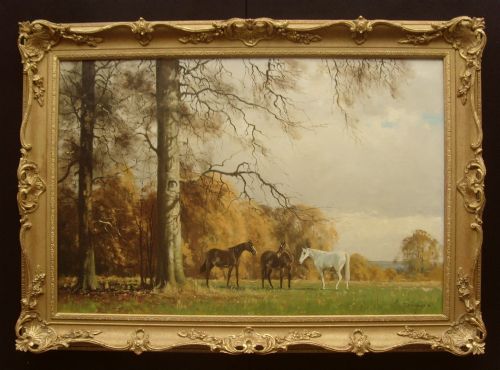
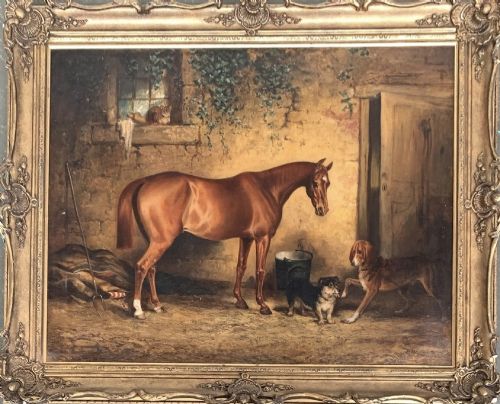
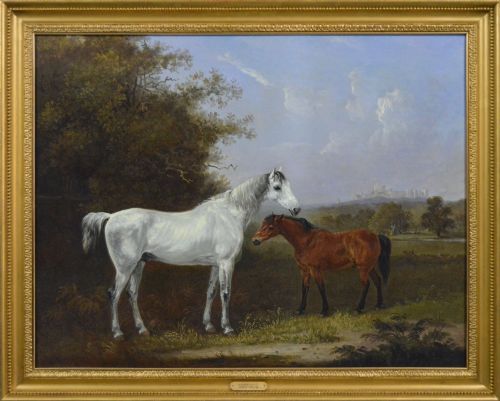
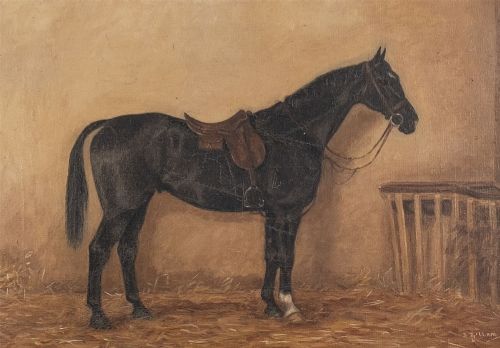
Equine art in frame brings together centuries of painted horses, capturing stables, racecourses, and rural life within period mouldings.
Equine Art in Frame
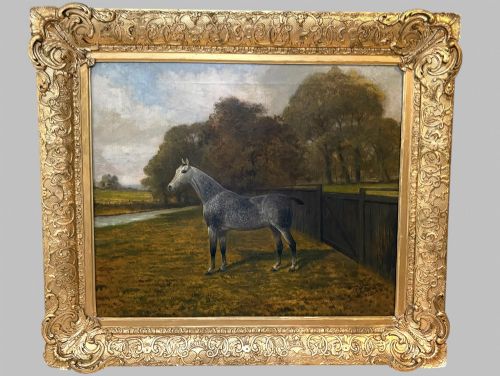
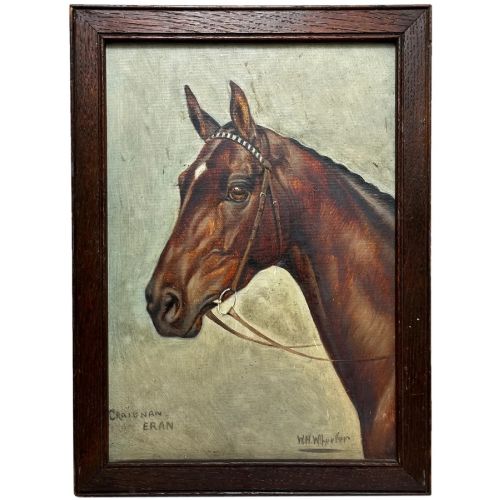
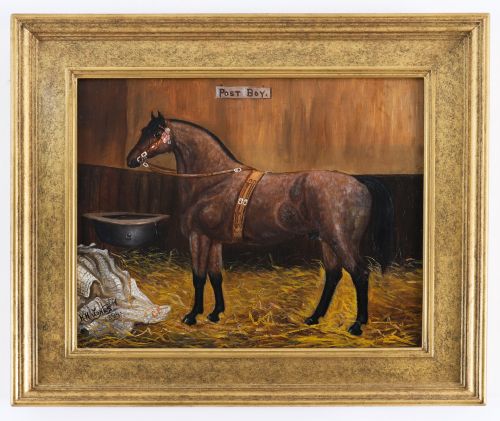
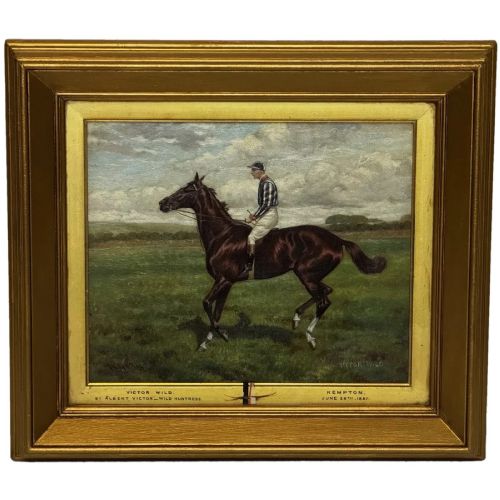
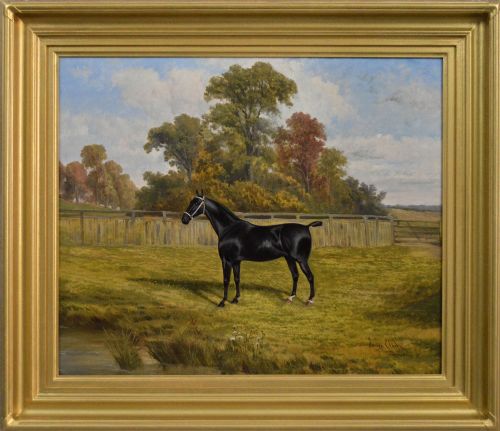
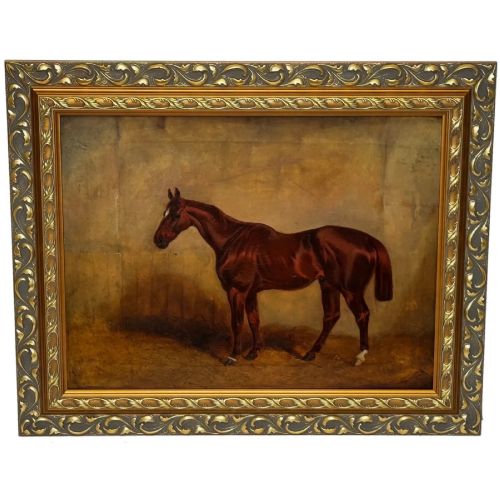
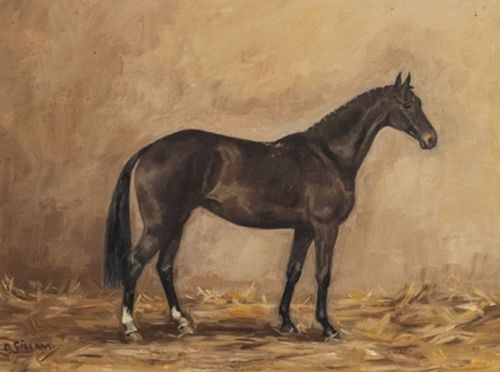
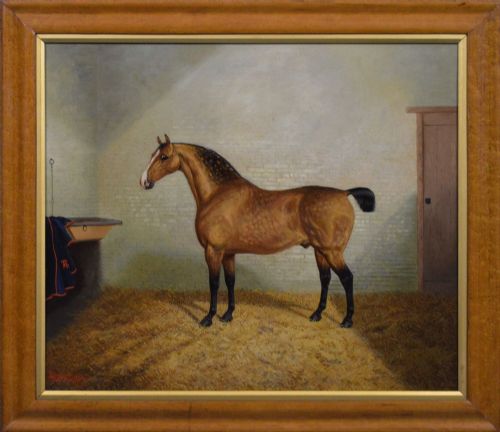
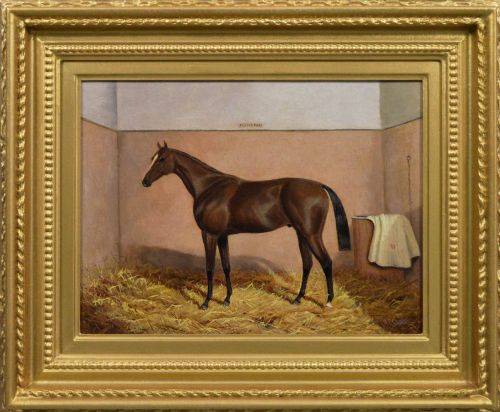
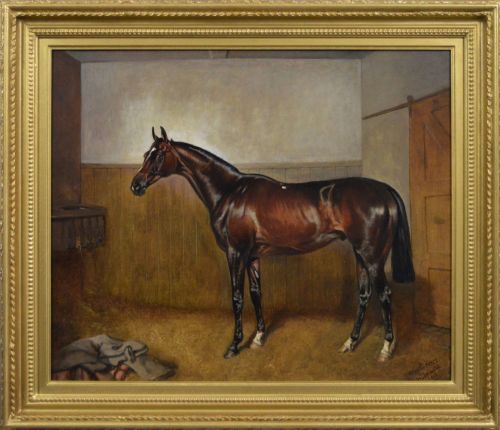
Equine art in frame encompasses oil paintings, watercolours, and painted prints depicting horses in various settings from the eighteenth century to the mid-twentieth century. The selection leans heavily towards Victorian and nineteenth-century canvases, including individual horse portraits, stable scenes, and racing subjects.
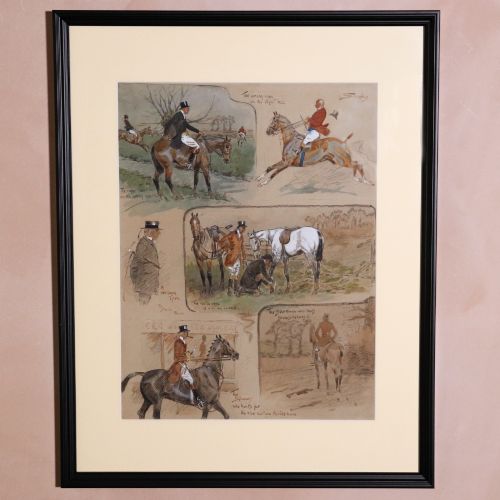
Works range from intimate studies of mares and foals to grand portrayals of named racehorses and hunters by recognised sporting artists. Alongside oils on canvas, buyers encounter pastels, gouache, and works on pine panel reflecting traditional English and European schools.
How they were made
These works rely primarily on oil paint applied to canvas or wood panel, utilising the rich opacity and blending qualities suited to capturing the muscular form and glossy coat of a horse. Watercolour and pastel appear on paper or board, offering a lighter touch for sketches and detailed animal studies.
Frames form an integral part of the piece, typically constructed from wood and finished in giltwood or dark moulded timber. These surrounds are period-appropriate to house and protect the painted surface.
Equine Art in Frame Retail Price Guide 2026
Typical asking prices for equine art in frame among the pieces listed under this phrase on Sellingantiques today, from the lower quarter to the upper quarter. They describe what is for sale here now, not the wider market.
Listings feature works spanning the eighteenth century through the 1960s, executed in oil, watercolour, pastel, and gouache.
What varies in quality
Quality rests in the anatomical accuracy of the horse and the handling of light across its coat and surroundings. Skilled artists render bone structure, muscle tension, and expression with precision, whereas lesser works result in stiff postures and flat planes.
Provenance and attribution elevate a piece, particularly when a painting connects to known owners, estates, or documented sporting events. The execution of the surrounding landscape and the preservation of the original canvas and gilt frame further distinguish superior examples.
Charles Bilger Spalding·Henry Barraud·Walter Robin Jennings·Edmund Bristow·Albert Clark·Fred Fitzpatrick·John Alfred Wheeler·Dame Laura Knight·Thomas Walker Bretland·John Frederick Herring Snr·John Ferneley Senior·John Rattenbury Skeaping·William Williams·George E Sharpe·Eugene Joseph Verboeckhoven·Benjamin Cam Norton·Clifton Tomson·Alfred Moginie Bryant
The Equine Art in Frame Glossary
- Canvas
- A heavy woven fabric stretched across a wooden frame to serve as a support for oil paint. It provides a textured surface that holds layered pigment over centuries.
- Giltwood
- Wood carved and coated with a thin layer of gold leaf or metallic paint. This finish creates the bright, reflective borders common on traditional picture frames.
- Sporting art
- A genre of painting dedicated to rural pursuits, particularly horse racing, hunting, and stable life. It documents prized animals and field sports with realistic detail.
- Gouache
- An opaque water-based medium that dries to a matte finish. It allows artists to build solid blocks of colour and fine highlights on paper.
- Panel
- A flat sheet of wood used as a rigid support for painting instead of fabric. Panels often date to earlier periods and provide a smooth ground for detailed brushwork.
Equine Art in Frame: Frequently Asked Questions
What subjects appear in these frames?
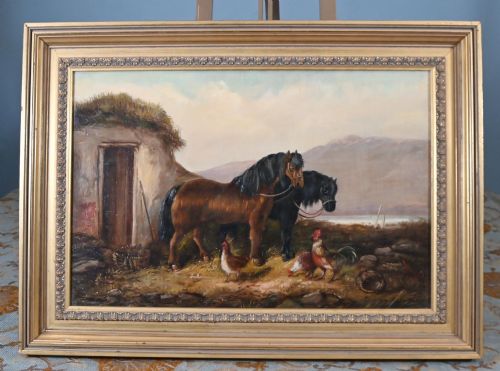
The artworks primarily show horses in various environments, including stable interiors, open meadows, farmyards, and racecourses. Many depict named thoroughbreds, hunters, or mares and foals alongside grooms and trainers.
Other compositions place horses within wider rural landscapes or coastal scenes, reflecting traditional sporting and agricultural life of the nineteenth and early twentieth centuries.
How do I date an equine painting?
Dating relies on stylistic clues, framing, artist signatures, and recorded biographical dates. Clothing styles of jockeys or grooms, canvas types, and inscriptions on the reverse offer further chronological markers.
Many pieces carry specific dates within their titles or signatures, while others align with Victorian, Edwardian, or Georgian aesthetic conventions.
Are these works original paintings?
The selection consists largely of original hand-painted works in oil, watercolour, gouache, and pastel. Each piece represents a unique creation by the artist named in the record.
Selected listings include period painted prints after known masters, which offer an alternative format traditional to equestrian decor.
How should I hang equine art?
These framed works suit traditional reception rooms, studies, or hallways where period lighting enhances the gilt frames and oil pigments. Secure wall fixings are essential due to the weight of wood frames and canvas.
Keep pieces away from direct sunlight and damp environments to preserve the integrity of the canvas, paper, and wooden structures.