




Equestrian Silver Collectables
These equestrian silver collectables are hard-wearing metal pieces shaped by hunting, racing, and riding traditions from the nineteenth and twentieth centuries.
Equestrian Silver Collectables
When you search for equestrian silver collectables, you meet small functional objects and pocket pieces made to serve the hunting field and the racecourse. These pieces span from Victorian items to mid twentieth century designs, reflecting the deep roots of horse sports in Britain and abroad.
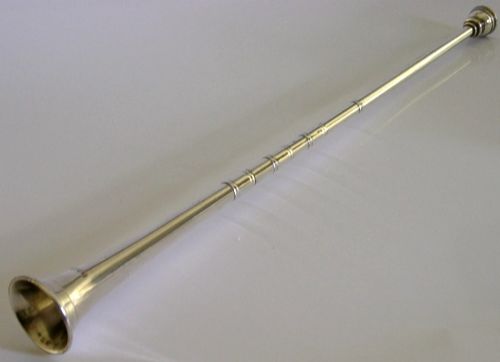
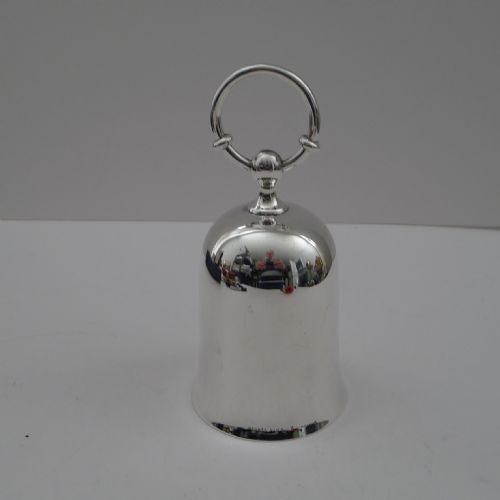
The objects appearing here take forms such as hunting horns, table bells with horse bit handles, jockey cap caddy spoons, vesta cases, and pin cushions. Alongside British sterling silver and silver plate, the evidence includes related materials like brass, iron, steel, wood, and enamel.
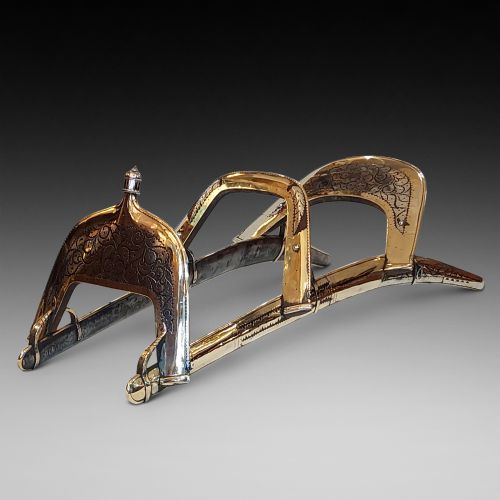
You are most likely to encounter Edwardian and Victorian sterling silver novelties, alongside silver plated table accessories and South American spurs from the late nineteenth century. Each piece connects directly to the working and social life of horses, whether through a bugle or a riding crop handle.
How they were made
Makers shaped these items using sterling silver and silver plate, often combining them with enamel to render specific racing silks in colour. Metalsmiths employed traditional silversmithing techniques to form miniature jockey caps, horns, and vesta cases with hinged lids.
Details such as horse bit handles and horses' heads reveal careful casting and hand finishing, working metal alongside horn, wood, steel, and iron in pieces like walking sticks and hunting bugles. Maker marks, assay office towns, and date letters stamped into the silver confirm the year and place of production.
Equestrian Silver Collectables Retail Price Guide 2026
Typical asking prices for equestrian silver collectables among the pieces listed under this phrase on Sellingantiques today, from the lower quarter to the upper quarter. They describe what is for sale here now, not the wider market.
The listings here span the Victorian, Edwardian, and mid twentieth century periods, utilising sterling silver, silver plate, enamel, wood, iron, and steel.
What varies in quality
The quality of these collectables rests upon the crispness of the chasing and the fidelity of the miniature forms, such as the proportions of a jockey cap or the detailing on a horse's head handle. Heavy gauge silver and well preserved enamel work set finer pieces apart from standard production items.
Maker attribution also dictates standing, as pieces bearing marks from recognised silversmiths carry greater weight. The integration of functional elements, like a working hinge on a vesta case or a clear chime in a table bell, separates superior examples from simpler ones.
Sampson Mordan·William Neale·John Meek
The Equestrian Silver Collectables Glossary
- Sterling silver
- A silver alloy containing 92.5 percent pure silver and 7.5 percent other metals, usually copper, chosen for durability in practical items. British pieces typically carry a full set of hallmarks to prove this standard.
- Silver plate
- A base metal, such as copper or brass, coated with a thin layer of silver. This technique allowed larger decorative objects, like table bells, to be produced at a lower cost than solid silver.
- Vesta case
- A small pocket container designed for holding matches, often fitted with a striking surface on the base. Victorian examples made in novel shapes like jockey caps combined utility with sporting themes.
- Caddy spoon
- A short spoon used for measuring loose tea leaves from a caddy into a teapot. Sporting examples often featured bowls shaped like jockey caps.
- Hallmark
- An official stamp applied by an assay office indicating the purity of the metal, the maker, and the year of manufacture. These marks provide the primary evidence for dating British silver.
Equestrian Silver Collectables: Frequently Asked Questions
What are equestrian silver collectables?
These items are small metal objects made for horse racing and hunting enthusiasts, spanning the Victorian, Edwardian, and mid twentieth century periods.
They include practical accessories and decorative novelties shaped like hunting horns, jockey caps, and horse bits.
How were these silver items used?
Many pieces served daily functions in the field or the home, such as lighting matches from a vesta case or measuring tea with a caddy spoon.
Others acted as desk accessories, walking aids, or decorative table bells intended for gentlemen and sportsmen.
How do I care for silver and enamel?
Sterling silver benefits from gentle cleaning with a soft cloth to remove tarnish without wearing away fine engraved details or hallmarks.
Enamel surfaces require particular care to avoid scratching or exposure to harsh cleaning agents that might damage the coloured glass.
How do I identify the date of a piece?
British pieces carry hallmarks that include a date letter indicating the exact year the item was assayed and registered.
Stylistic cues, such as Victorian novelty designs or Edwardian proportions, help narrow down pieces that lack full assay marks.