



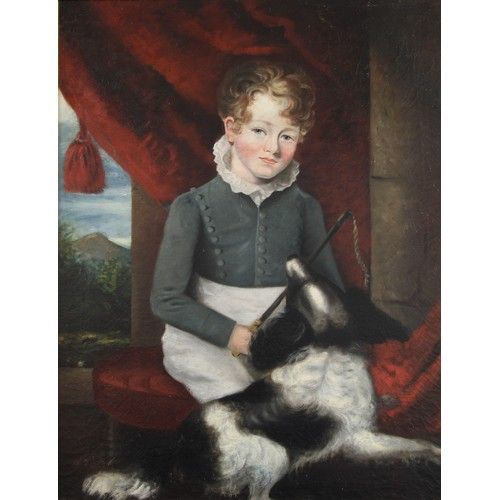
Equestrian Crop
These equestrian crop pieces bring solid 19th century and early 20th century sporting history straight into your hall or study.
Equestrian Crop
An equestrian crop is a traditional riding tool designed for handling horses, often preserved here alongside related sporting accessories and hall furnishings. When you search for an equestrian crop, you find items ranging from practical riding implements to mounted decorative pieces.
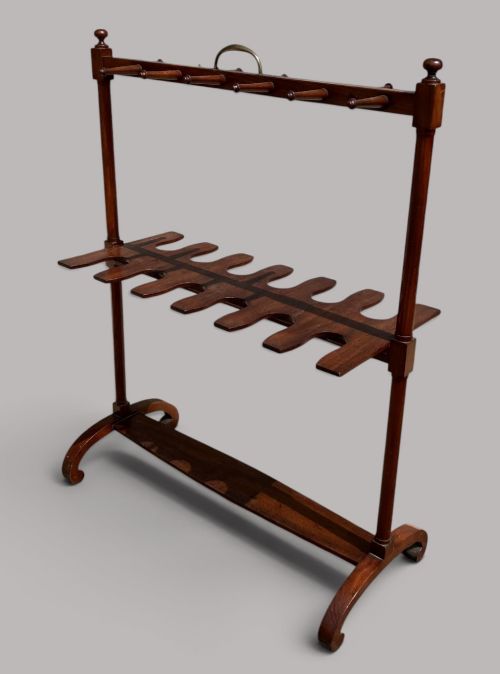
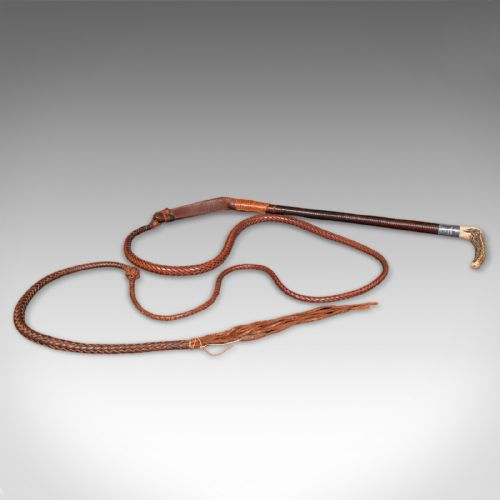
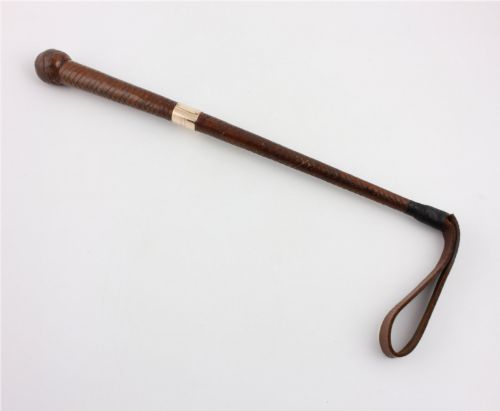
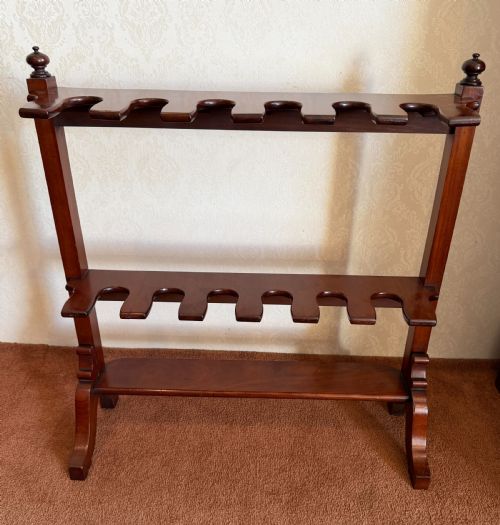
The pieces on this page span the Regency period through to the 1920s, reflecting active equestrian life in English country houses. You are most likely to meet working leather riding crops fitted with silver collars alongside heavy mahogany boot and whip stands.
Other forms appearing in this category include brass and oak crop hooks shaped as horse heads, silver brooches, and cruet sets. Each object carries the practical utility and aesthetic of traditional sporting culture.
Materials and construction
Makers utilised durable natural materials such as English leather, staghorn, and solid mahogany to build items that withstood heavy daily use. Whips and crops feature tightly braided leather shafts combined with carved horn handles.
Precious metals like silver and 12ct gold appear as collars and mounts, secured to the shafts with traditional fastening methods. Larger furniture items like whip stands are constructed from joined mahogany and oak, often paired with brass fittings.
Equestrian Crop Retail Price Guide 2026
Typical asking prices for equestrian crop among the pieces listed under this phrase on Sellingantiques today, from the lower quarter to the upper quarter. They describe what is for sale here now, not the wider market.
Form variations include functional riding crops, large hall stands, silver brooches, and novelty cruet sets.
Judging quality in sporting pieces
Quality in these items rests on the integrity of the materials and the crispness of the maker's finish. A superior crop displays supple, well-preserved leather and a tightly fitted silver collar bearing clear hallmarks.
Substantial weight in the mahogany stands and fine, detailed carving on the staghorn handles distinguish the finer workshop output from simpler utilitarian gear. The balance between practical durability and refined decorative detail dictates the standing of each piece.
Swaine Adeney·Brigg
The Equestrian Crop Glossary
- Regency
- A British architectural and decorative period dating from the early 19th century. Pieces from this era often feature clean classical lines and rich mahogany timbers.
- Staghorn
- A natural material carved from deer antlers. It provides a sturdy, textured handle for riding crops and whips.
- Hall Stand
- A large piece of furniture placed in an entrance hall for coats, hats, and whips. Many incorporate specialised racks for riding boots and crops.
- Cruet Set
- A collection of small glass bottles for holding condiments at the dining table. Novelty sporting examples take the form of equestrian gear.
Equestrian Crop: Frequently Asked Questions
How were riding crops used?
A riding crop served as a cue for the horse during riding and hunting expeditions rather than a harsh punishment tool. Riders carried them mounted on horseback or held them while walking the stables.
The weighted handle and flexible shaft allowed precise communication with the animal. Many examples also doubled as status symbols for landed gentry.
What is a whip stand?
A whip stand is a specialist piece of furniture designed to keep hunting whips and riding crops organised and upright. They sat in country house hallways or tack rooms for easy access before a hunt.
These stands often combined with boot racks to hold the complete equestrian wardrobe in one place. Mahogany and oak were the preferred timbers for their strength.
How do I date a crop?
Dating relies on examining the materials, construction methods, and any metal hallmarks present on the collar. Silver collars often carry assay office marks and date letters that pinpoint the exact year of manufacture.
The style of the leather braiding and the species of horn used also point toward Victorian or Edwardian workshop practices.
How do I care for antique leather?
Antique leather requires gentle handling to prevent the natural material from drying out and cracking over time. Keep pieces away from direct heat sources and strong sunlight.
Light dusting with a soft cloth preserves the surface without stripping the original patina. Avoid applying modern chemical treatments to historic leather and silver mounts.