




Equestrian Bronze Art
Equestrian bronze art captures horse and rider through the centuries, offering enduring presence for any serious interior.
Equestrian Bronze Art
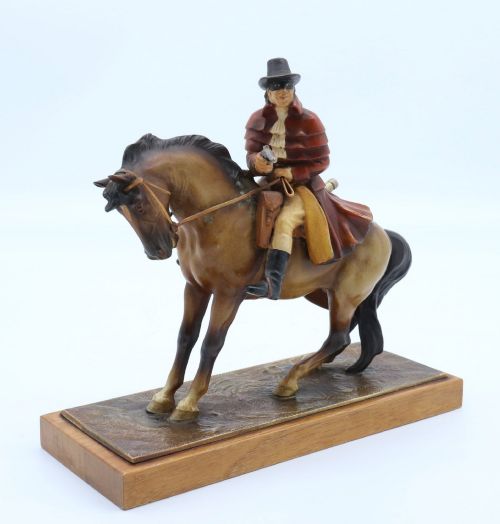
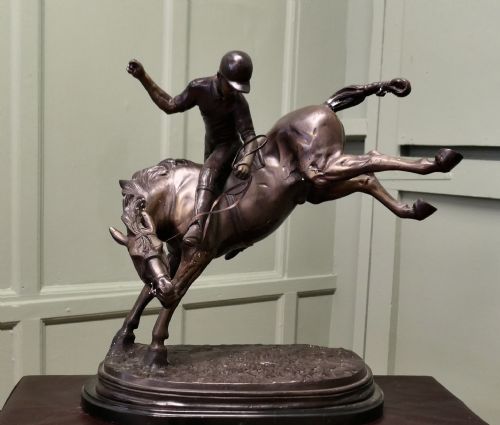
Equestrian bronze art encompasses sculptures, statues, and statuettes depicting horses, riders, and racing scenes across various historic periods. The versions most commonly found here range from nineteenth-century realism and Victorian groupings to Art Deco figures and Western Americana pieces.
Makers often cast these subjects in patinated bronze, sometimes combining the metal with marble bases, stone plinths, or wooden elements to heighten their visual impact. Creators stretch the form from life-size vintage stallions down to smaller table lighters and relief plaques.
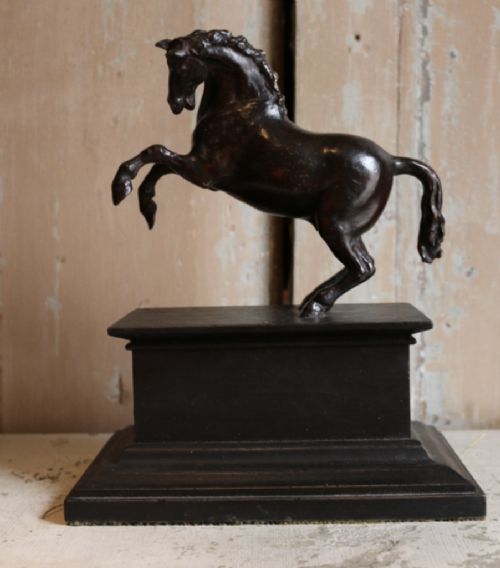
Stylistic influences span the French School, Baroque interpretations, and contemporary equestrian designs, reflecting shifting artistic priorities over hundreds of years. Pieces capture moments of action, such as polo matches, bucking bronchos, and trotting cobs, alongside static portraits.
Materials and casting methods
Foundries primarily shape these works using traditional bronze casting, applying patination to achieve deep brown, black, or greenish surface tones. Gilded bronze and cold-painted metal finishes also appear on specific figures to highlight harness details and costume.
Sculptors frequently mount their heavy metal castings onto heavy stone, marble, or wood bases to ensure stability and provide a distinct architectural contrast. Artisans work with precise chiselling and polishing after the pour to define the musculature of the horse and the texture of the garments.
Listings feature works spanning the seventeenth century through the Victorian era and into the modern period, utilising bronze, marble, wood, and stone.
Determinants of quality
Quality rests upon the crispness of the chasing and the fidelity of the anatomical rendering in both horse and rider. Superior works demonstrate meticulous attention to the tension in the animal's legs and the expressive posture of the human figure.
The sophistication of the patina and the integration of the sculpture with its marble or stone base distinguish finer studio productions from simpler decorative items. Signed pieces and those reflecting distinct schools of design command particular attention from collectors.
Luigi Secchi·Philip Blacker·Bruno Zach·Xavier Raphanel
The Equestrian Bronze Art Glossary
- Patinated bronze
- Bronze treated with chemical solutions to produce a specific surface colour and finish. This layer protects the metal and defines the visual mood of the sculpture.
- Cold-painted metal
- Metal decorated with non-firing paints after the casting process is complete. It allows for vibrant costume details on smaller figures.
- Relief plaque
- A wall-mounted sculptural panel where the figures project slightly from a flat background. This format was popular for narrative scenes.
- Baroque
- An ornate artistic style from the seventeenth century characterised by dramatic movement and grandeur. Equestrian works in this idiom emphasise dynamic energy.
Equestrian Bronze Art: Frequently Asked Questions
How do I clean equestrian bronze?
Dust gently with a soft, dry brush to prevent dirt accumulation in the crevices. Avoid using chemical polishes that can strip the original patina.
Apply a very thin layer of microcrystalline wax if the surface appears dry, then buff lightly with a clean cloth.
Where should I display these sculptures?
Place heavy pieces on stable, level surfaces such as sturdy sideboards, desks, or dedicated plinths. Ensure the support can bear the significant weight of the metal and stone.
Keep the sculpture away from direct sunlight and excessive humidity to protect any applied patination and underlying metal.
How do I identify Art Deco styles?
Look for streamlined forms, stylised drapery, and geometric marble bases that reflect the design ethos of the interwar period. Figures often depict modern leisure activities or feature sleek silhouettes.
The combination of patinated and gilded bronze on a stepped marble plinth is a frequent indicator of this aesthetic.
What distinguishes Western Americana bronzes?
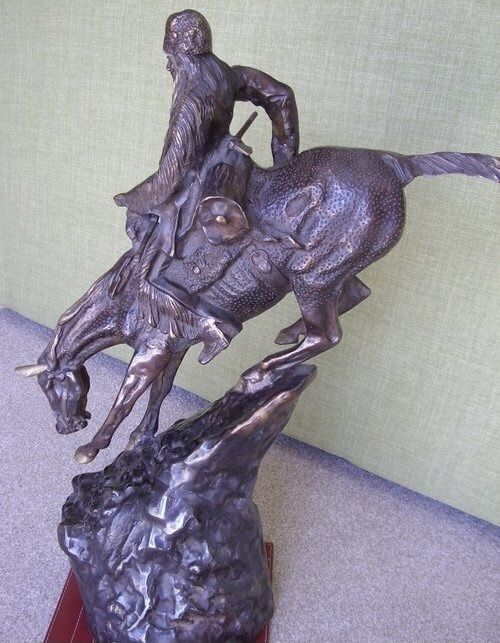
These works focus on cowboys, bucking horses, and frontier subjects inspired by nineteenth and early twentieth-century artists. They emphasise rugged movement and the dynamic interaction between rider and animal.
Details often include wide-brimmed hats, chaps, and rugged terrain elements integrated into the bronze base.