



Epstein Walnut Chairs
Epstein walnut chairs bring the bold curves of the Art Deco period into any room.
Epstein Walnut Chairs
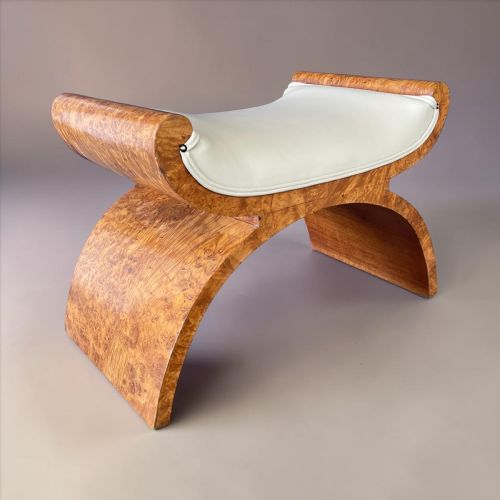
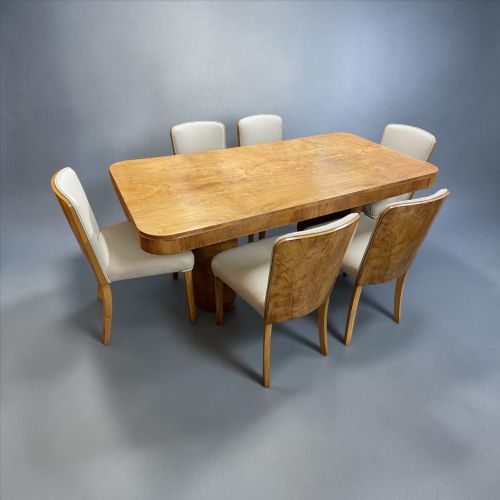
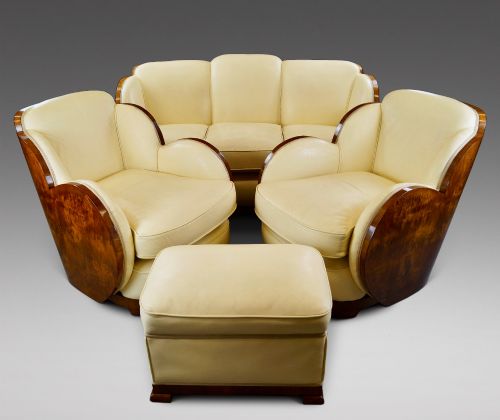
When you search for epstein walnut chairs, you are looking at substantial seating from the nineteen-twenties and nineteen-thirties. The pieces appearing here range from single side chairs and stools to complete dining suites and lounge sets.
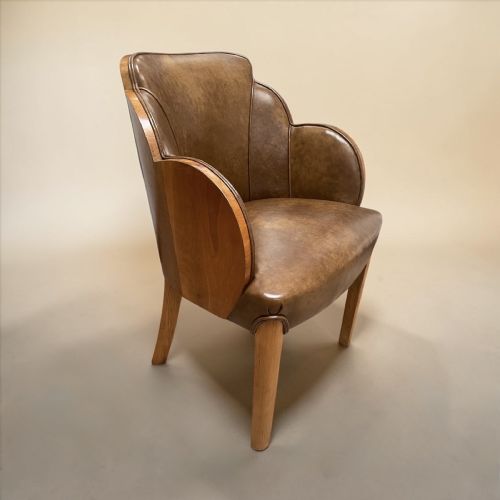
The cloud back design recurs often among these listings, alongside standard dining and occasional chairs. Most examples date from nineteen-thirty, with some pieces attributed to the earlier nineteen-twenties period.
Originating from British workshops, these chairs pair robust wooden frames with distinct upholstered forms. They serve both functional dining purposes and as statement lounge seating.
How They Were Made
Makers constructed these frames using hardwoods such as oak and maple beneath decorative outer layers. Burr walnut and standard walnut veneer provide the characteristic rich grain patterns seen across the surfaces.
Upholstery techniques combined supportive internal padding with leather or fabric coverings. Artisans shaped the wood to create the rounded contours typical of the Art Deco style.
Epstein Walnut Chairs Retail Price Guide 2026
Typical asking prices for epstein walnut chairs among the pieces listed under this phrase on Sellingantiques today, from the lower quarter to the upper quarter. They describe what is for sale here now, not the wider market.
Cloud backs were designed to cradle the sitter, proving that twentieth-century makers took serious comfort very playfully indeed.
What Varies in Quality
The depth and figure of the walnut veneer dictate much of the visual impact. Highly figured burr walnut surfaces command greater attention than plain timber selections.
The integrity of the frame construction and the preservation of the original upholstery influence the overall standing of each piece. Suites that retain their matched sets display a more cohesive character.
Harry and Lou Epstein
The Epstein Walnut Chairs Glossary
- Burr Walnut
- A veneer taken from the knotted growth of a walnut tree, creating swirling patterns across the wood. This finish defines the most decorative surfaces of the seating.
- Cloud Back
- An upholstered chair back featuring rounded, sweeping tiers reminiscent of stylized clouds. This form is a hallmark of the maker's Art Deco output.
- Art Deco
- A design style emphasising geometric symmetry, streamlined shapes, and modern materials popular during the interwar years. It guides the aesthetic of these pieces.
- Occasional Chair
- A movable seat intended for periodic use rather than primary dining. These forms appear alongside larger dining suites in the listings.
Epstein Walnut Chairs: Frequently Asked Questions
What defines an Epstein chair?
These chairs typically feature distinctive Art Deco forms, most notably the rounded cloud back design. They rely on walnut veneers and robust wooden frames to achieve their striking silhouette.
Makers utilised materials like leather and burr walnut to finish the pieces. The resulting seating bridges functional utility with bold twentieth-century design.
How do I date these chairs?
The pieces span the nineteen-twenties and nineteen-thirties, aligning with the height of the Art Deco movement. Most examples in the record cluster around nineteen-thirty.
Stylistic markers such as the cloud back configuration point directly to this interwar period. Construction methods and materials further anchor them to these decades.
Are these chairs suitable for daily dining?
Dining sets and suites provide ample seating designed specifically around matching tables. They offer sturdy construction from hardwoods suitable for regular use.
Buyers should consider the upholstery material when planning daily integration. Leather options offer practical resilience for everyday dining environments.
How do I care for burr walnut?
Burr walnut veneer requires gentle dusting and protection from direct sunlight to preserve the grain. Maintaining stable room humidity prevents the wooden surfaces from drying out.
Avoid harsh chemical polishes that can degrade the historic finish. Regular light maintenance keeps the distinctive figuring vibrant.