
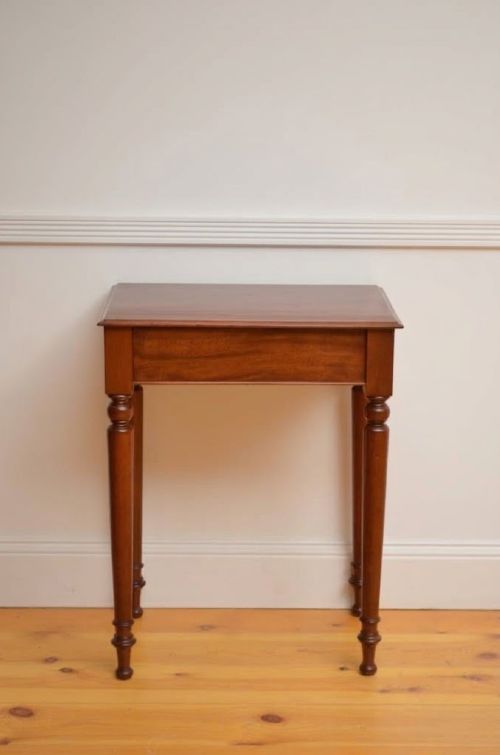
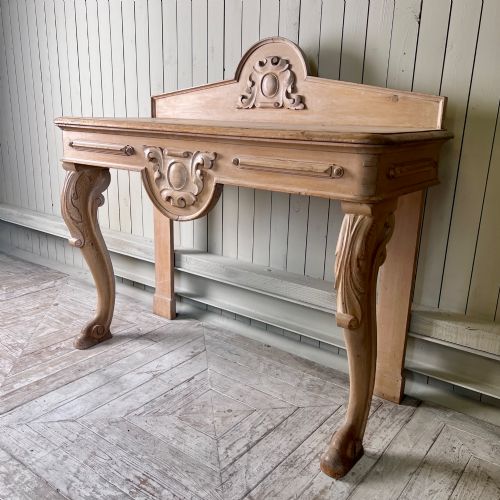
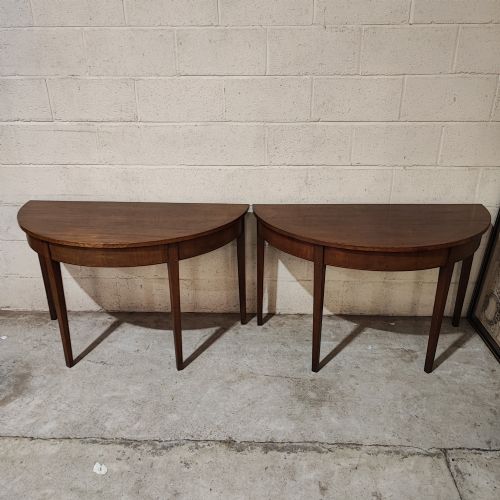


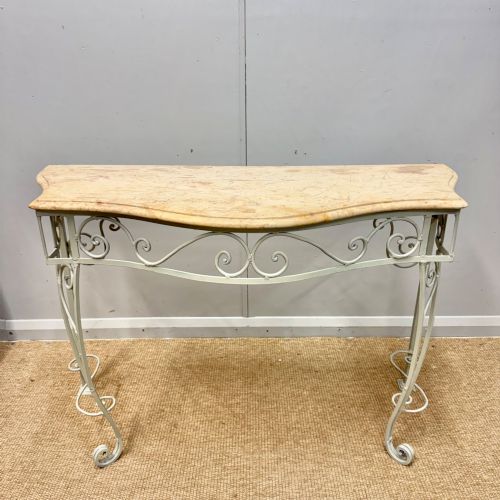
Entryway Hall Table
An entryway hall table sets the tone for a home, offering a functional surface that ranges from console formats to oak benches.
Entryway Hall Table
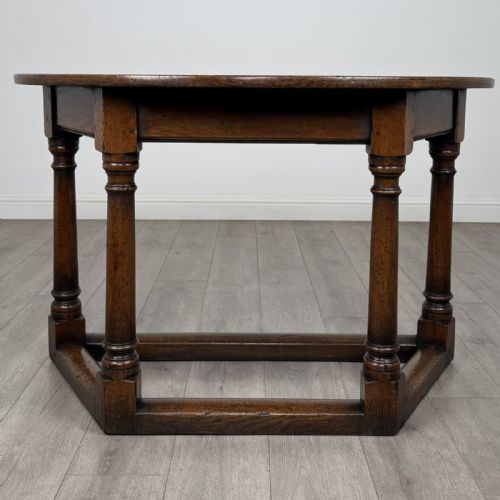
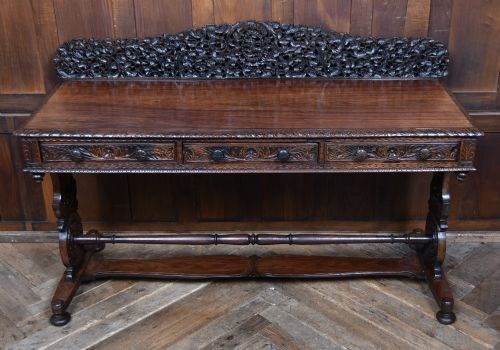
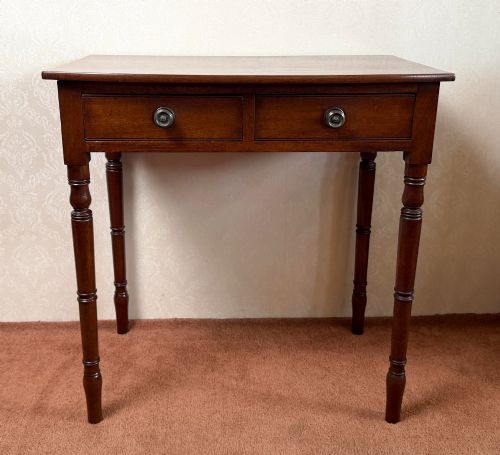
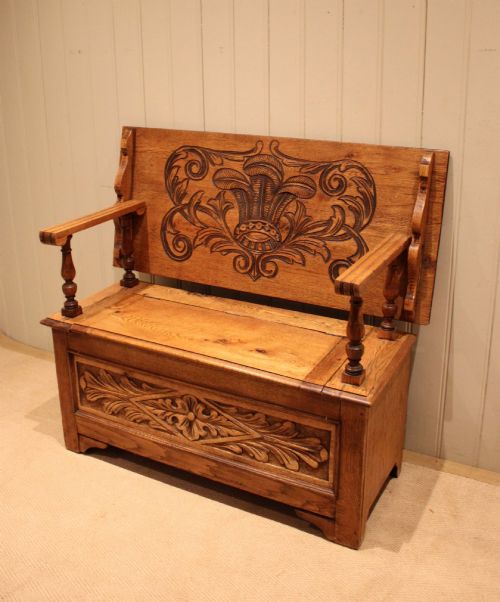
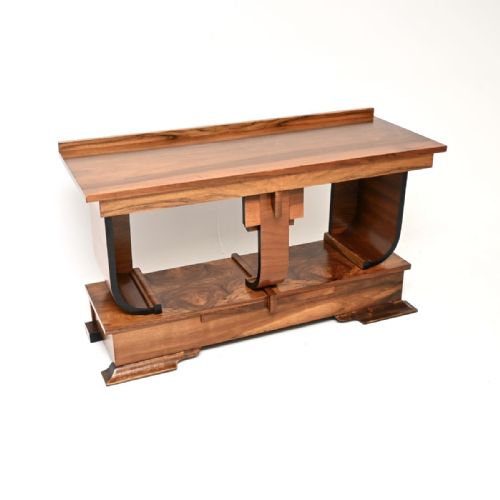
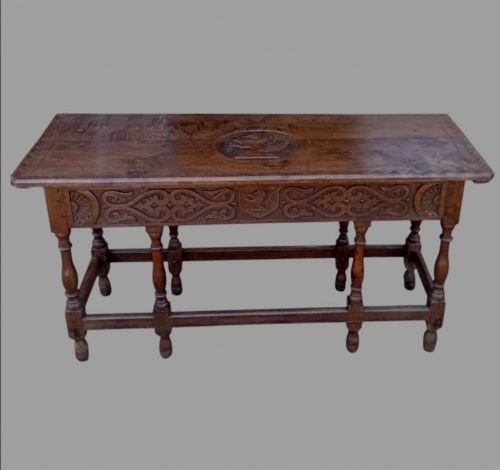
An entryway hall table encompasses console tables, hall tables, hall benches, and side tables designed to furnish entrance spaces. Pieces span the Georgian, Victorian, Edwardian, and Regency periods alongside later 20th-century revivals.
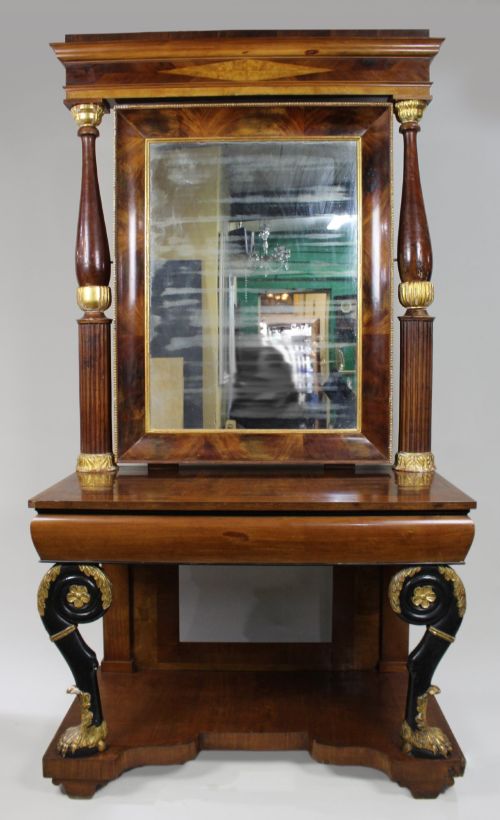
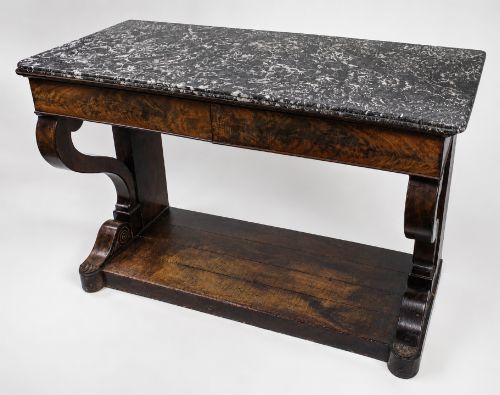
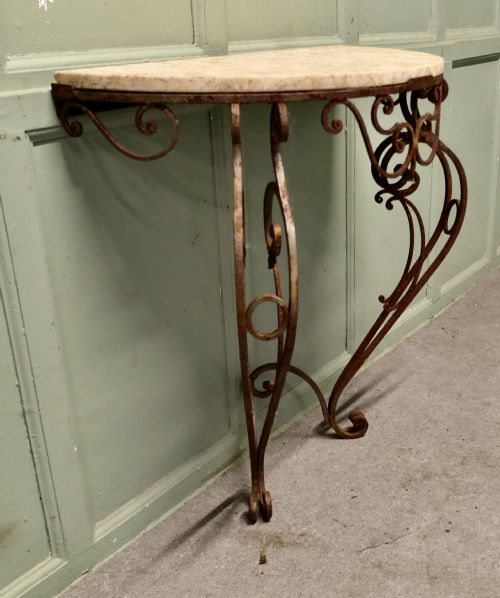
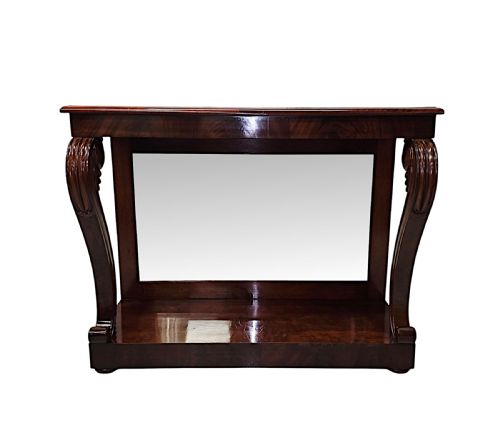
Console tables frequently feature marble tops and wall-mounting or freestanding frames shaped in French, Italian, and English traditions. Buyers frequently encounter mahogany and oak constructions spanning the nineteenth and early twentieth centuries.
Materials and Construction
Cabinetmakers utilised hardwoods such as mahogany, walnut, and oak, often incorporating figured veneers and crossbanding. Marble inserts appear frequently on console surfaces, paired with wrought iron, giltwood, or carved wooden bases.
Joinery methods reflect period practices, from hand-carved oak panels to parcel-gilt details and painted finishes. Tables incorporate stone slabs, brass accents, and mirrored backs supported by console legs or lion's paw feet.
Listings feature mahogany, oak, walnut, and pine constructed across Victorian, Edwardian, and Regency periods alongside French Empire styles.
Judging Quality
The standard of a piece rests on the selection of timber, such as figured mahogany or solid oak, and the crispness of carved detail. Finer examples display harmonious proportions, substantial marble slabs, and original painted or gilt surfaces.
Construction integrity distinguishes workshop output, seen in the precision of joinery and the weight of materials like wrought iron or fossil marble. Regional variations, such as Irish mahogany or Italian giltwood, introduce distinct craftsmanship tiers.
The Entryway Hall Table Glossary
- Console table
- A table designed to stand against a wall, frequently supported by brackets or console legs rather than four independent vertical posts.
- Demi-lune
- A half-moon shape common in eighteenth and nineteenth-century console table design, allowing pieces to fit flush against entrance walls.
- Giltwood
- Timber treated with gold leaf or gilt paint to create a lustrous decorative surface seen on Neoclassical and Baroque revival pieces.
- Crossbanding
- A border technique where veneer strips are applied perpendicularly to the surrounding grain to frame a table top.
- Breccia marble
- A multicoloured stone composed of angular fragments set within a contrasting matrix, frequently utilised for classical console tops.
Entryway Hall Table: Frequently Asked Questions
Where should an entryway hall table go?
These tables fit directly against hallway walls or beneath mirrors to serve as a drop point for everyday items.
Their shallow depth, particularly in console and demi-lune formats, ensures passage remains clear in narrow corridors.
How do I identify a Victorian hall table?
Victorian examples typically feature dark timbers like mahogany or walnut, often accompanied by heavy serpentine or console legs.
Construction from the mid to late nineteenth century frequently displays robust proportions and traditional period joinery.
What is a marble top console table?
A marble top console table pairs a stone slab surface with a wooden, wrought iron, or gilt base designed for wall placement.
Origins often trace to French and Italian workshops of the nineteenth century where stone surfaces provided durable elegance.
Can I use a side table in a hallway?
Side tables and small oak dressers function effectively in entrance areas when floor space permits.
Their flat surfaces provide adequate space for lamps and correspondence while introducing period character to an interior.