





Entryway Ceiling Light
An entryway ceiling light sets the tone for a home, combining practical illumination with striking period presence.
Entryway Ceiling Light
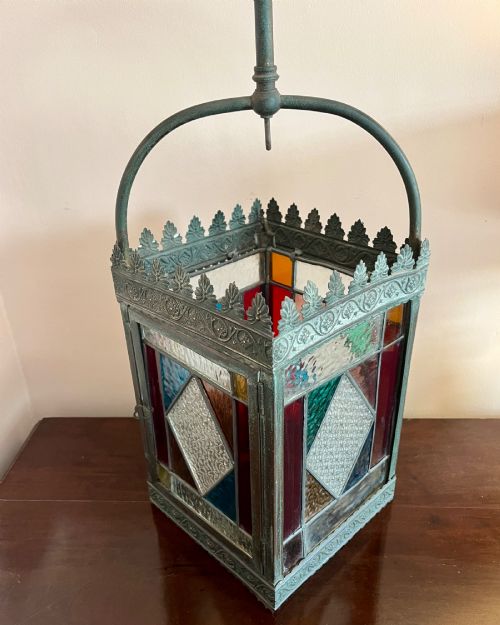
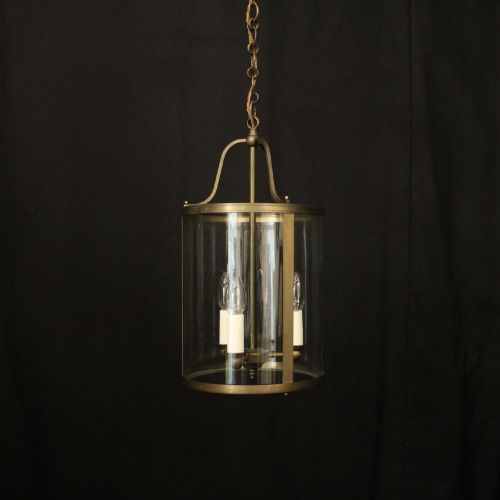
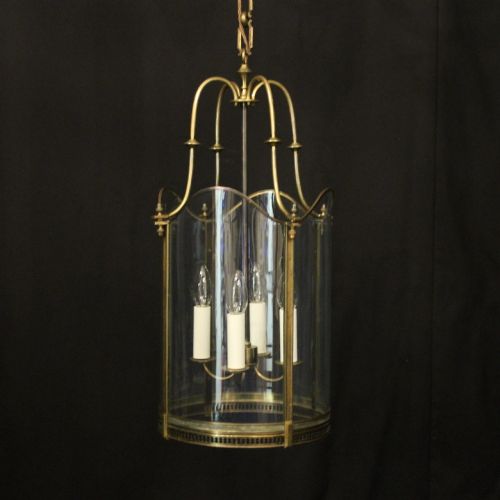
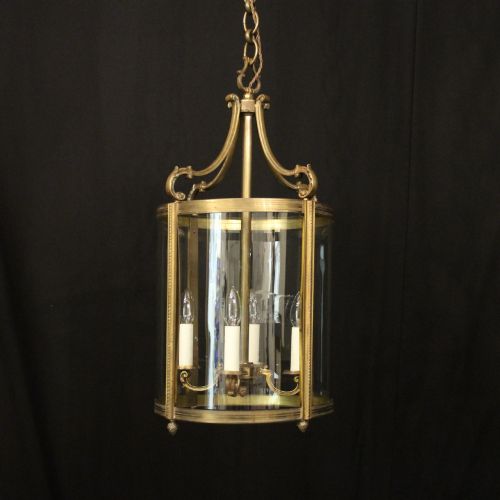
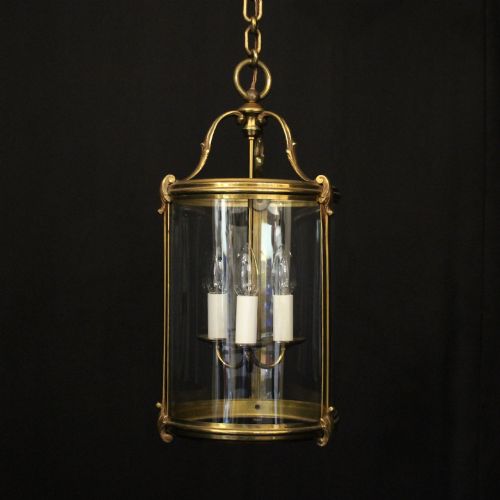
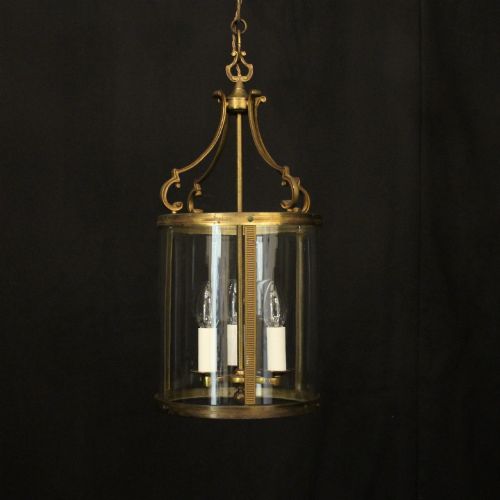
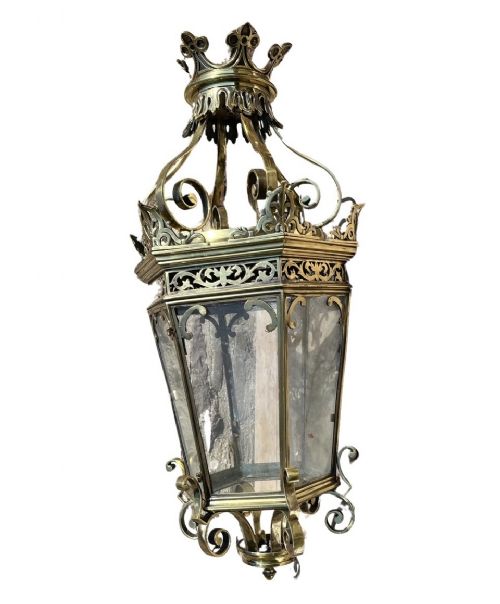
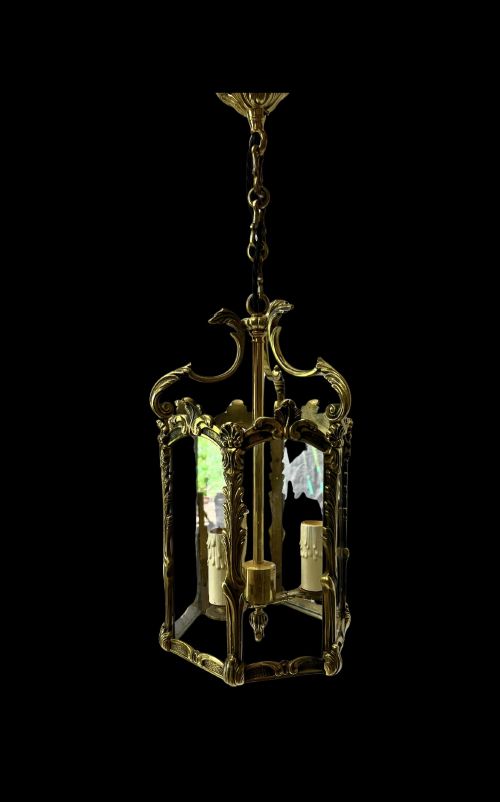
An entryway ceiling light encompasses hanging hall lanterns, ceiling lights, and pendant fixtures designed to illuminate corridors and entrance spaces. These pieces draw from styles such as French Chateau, French Rococo, English Regency, and Gothic Revival, bringing historical character to a threshold.
Makers and designers focused on creating welcoming illumination for entryways, utilising durable metals and glass panels to cast light effectively across compact spaces. Buyers searching for an entryway ceiling light will find numerous variations in scale, from single-light pendants to grand multi-bulb configurations.
Materials and construction
The construction of these fixtures relies predominantly on cast and spun metals paired with glazed panels. Brass, bronze, and gilt bronze provide the structural framework, while silvered or gilded finishes add reflective brilliance to the metalwork.
Glass is central to the design, appearing as flat panes or convex curved panels that soften and diffuse the internal illumination. Metal frames are joined with mechanical fasteners or hinges, particularly on lanterns featuring operational access doors.
Entryway Ceiling Light Retail Price Guide 2026
Typical asking prices for entryway ceiling light among the pieces listed under this phrase on Sellingantiques today, from the lower quarter to the upper quarter. They describe what is for sale here now, not the wider market.
Several lanterns include small operational doors, originally built so someone could reach inside with a taper to relight the flame.
Quality and execution
The distinction between tiers of quality rests on the weight of the metal casting and the precision of the joinery. Finer pieces demonstrate crisp chasing on bronze surfaces and securely fitted glass that follows complex curved contours without distortion.
Subtle details such as the thickness of the gilding, the integration of multiple internal light fittings, and the robustness of the hanging loops differentiate standard production from superior examples.
The Entryway Ceiling Light Glossary
- Convex glass
- Curved glass panels that project outward to diffuse light across a wider angle. This technique enhances the visual volume of the lantern.
- Gilt bronze
- Bronze metal treated with a thin layer of gold or gold-coloured alloy. It provides a durable finish with a warm metallic lustre.
- Hall lantern
- A ceiling-hung lighting fixture specifically scaled for narrow corridors and entrance halls. These fixtures often feature enclosed glass sides to protect the flame or bulb from drafts.
- Silvered bronze
- Bronze treated to achieve a bright, silver-toned reflective surface. This finish appeared frequently in twentieth-century decorative lighting.
- Gothic Revival
- A nineteenth-century design movement drawing inspiration from medieval architecture. Pieces in this style often incorporate pointed arches and heavy structural tracery.
Entryway Ceiling Light: Frequently Asked Questions
How do I choose the right size for my hallway?
Consider the ceiling height and floor area of your entrance space when selecting a hanging fixture. Larger multi-light lanterns require adequate clearance to hang safely without dominating a modest threshold.
Proportion remains key to ensuring the piece balances the architectural scale of the room rather than overwhelming it.
Were these lights originally electrified?
Many older hall lanterns were designed for candles or gas before being adapted for modern electrical use. Surviving fixtures frequently show evidence of conversion to accommodate internal wiring and bulb holders.
This historical adaptation is standard for lighting surviving from the nineteenth and early twentieth centuries.
What maintenance do brass and bronze lanterns need?
Metal frames benefit from occasional dusting with a soft, dry cloth to prevent the accumulation of airborne grime. Avoid harsh chemical cleaners that can strip original gilding or patina from the bronze surfaces.
Glass panels can be cleaned gently with standard glass cleaner applied to a cloth rather than sprayed directly onto the metal.
How do I identify a French style lantern?
French designs from periods such as Louis XVI or Rococo Revival typically feature ornate cast metal mounts, scrolling foliage, and refined proportions. Gilt finishes and convex glass are recurring characteristics in this regional tradition.
English equivalents often display more restrained lines, leaning towards Regency or plain brass construction.