



Entomology Specimen Display
Entomology specimen display pieces organise nature with architectural precision, offering a disciplined view of butterflies and insects through glass and polished wood.
Entomology Specimen Display
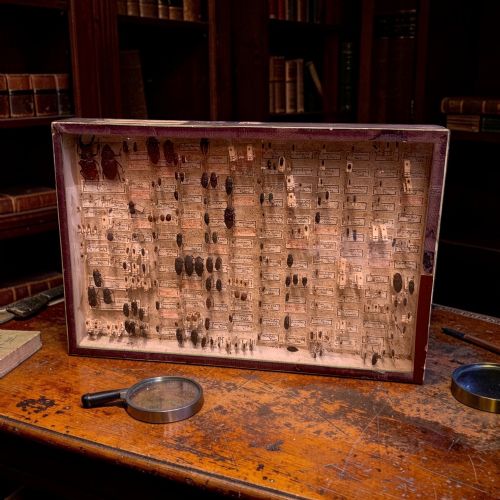
An entomology specimen display brings together cabinetry and natural history, typically taking the form of multi-drawer collectors cabinets or wall-mounted framing cases designed to protect delicate insect collections. Buyers searching for this phrase encounter disciplined storage units built from dense timbers alongside glazed viewing boxes that frame individual butterflies or grouped specimens.
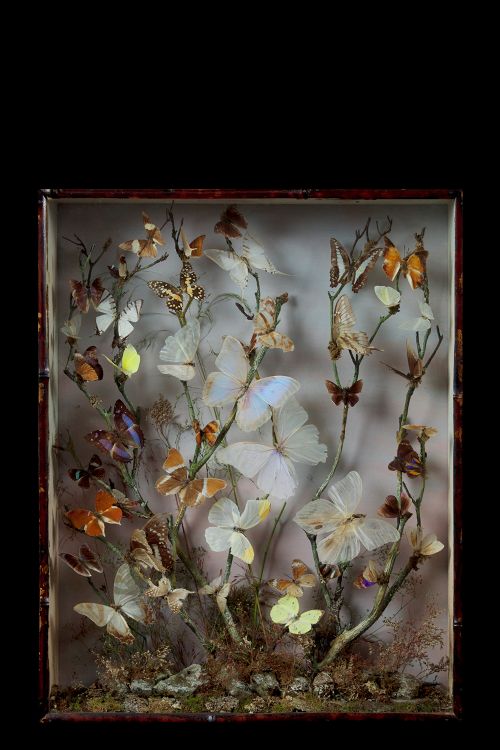
The pieces appearing here span from the Georgian era through the Victorian period and into the early twentieth century, reflecting a sustained domestic and scientific passion for classification. Most commonly, a buyer will meet mahogany or pitch pine specimen cabinets featuring banks of shallow drawers, or framed wall displays containing subjects such as the Sea Green Swallowtail.
Origins range across English workshops of the nineteenth century, uniting practical scientific utility with domestic display. These pieces served both the serious naturalist and the Victorian collector who wished to exhibit specimens in a study or drawing room.
How they were made
Construction relies heavily on dense hardwoods like mahogany and figured pitch pine, selected for their stability and resistance to warping over decades of use. Cabinets employ fine joinery to create airtight drawers, protecting vulnerable contents from dust and insect damage.
Glazing forms a vital element, set into brass-hinged doors and frames to allow uninterrupted inspection of paper-pinned insect specimens. Interior components often incorporate card, paper linings, and metal fixings to secure the internal layout without harming the fragile displays.
Entomology Specimen Display Retail Price Guide 2026
Typical asking prices for entomology specimen display among the pieces listed under this phrase on Sellingantiques today, from the lower quarter to the upper quarter. They describe what is for sale here now, not the wider market.
A Sea Green Swallowtail butterfly captured in 1920 still looks ready to take flight from its Edwardian frame.
What varies in quality
Quality separates simple storage boxes from masterworks of cabinet-making through the selection of timber, such as highly figured pitch pine or dense mahogany, and the precision of the drawer fit. Superior examples exhibit seamless drawer action, unwarped frames, and subtle moulding details that elevate a utilitarian scientific box into fine furniture.
The scale and complexity of the piece also dictate its standing, moving from single framed wall displays to substantial twenty-drawer cabinets built by named makers. The integrity of the original glass, paper linings, and brass hardware further distinguishes specimens preserved with their original character intact.
J.T. Crockett·William John Burchall
The Entomology Specimen Display Glossary
- Collector cabinet
- A multi-drawer wooden chest built specifically to house and protect natural history specimens. These pieces usually feature shallow, dust-proof drawers designed for pins and paper labels.
- Specimen case
- A glazed display frame or box intended for wall hanging or tabletop study. They exhibit individual insects or small thematic groups under glass.
- Pitch pine
- A resinous softwood noted for prominent growth rings and distinct figuring, utilised in late nineteenth-century cabinet construction.
- Georgian
- The architectural and decorative period spanning from 1714 to 1830, represented here by early cabinet-making traditions.
Entomology Specimen Display: Frequently Asked Questions
What were entomology cabinets used for?
These cabinets stored systematic collections of butterflies, beetles, and other insects gathered by naturalists and amateur collectors. The shallow drawers kept specimens flat, organised, and protected from light and pests.
Over time, they transitioned from working scientific instruments into decorative pieces that showcased Victorian hobbies and interests in natural philosophy.
How do I date an antique specimen cabinet?
Dating relies on timber choice, construction methods, and hardware styles found across different eras. Georgian and early Victorian pieces often feature hand-cut dovetails and dense mahogany, while later nineteenth-century examples might utilise figured pitch pine.
Paper labels, maker signatures embedded in the woodwork, and the type of glass used in doors also help narrow down the decade of manufacture.
Are these cabinets suitable for modern homes?
Their restrained architectural lines and warm wood tones allow them to sit comfortably in studies, hallways, or living rooms. The shallow drawers lend themselves well to storing flat items, textiles, or modern collections.
Placing them away from direct sunlight and damp environments ensures the antique timber and internal linings remain stable over time.
What is the difference between a case and a cabinet?
A specimen case is typically a single glazed box meant for wall display or tabletop viewing of a curated group of insects. A cabinet is a larger chest containing multiple internal drawers for housing a comprehensive collection.
Cabinets offer modular storage with enclosed banks of drawers, whereas cases focus entirely on visual presentation.