





Entomology Drawer
An entomology drawer is the shallow, glass-topped sliding tray housed within a larger cabinet, prized by collectors for organising natural history specimens.
Entomology Drawer
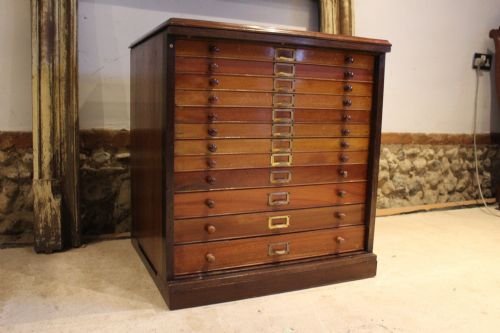
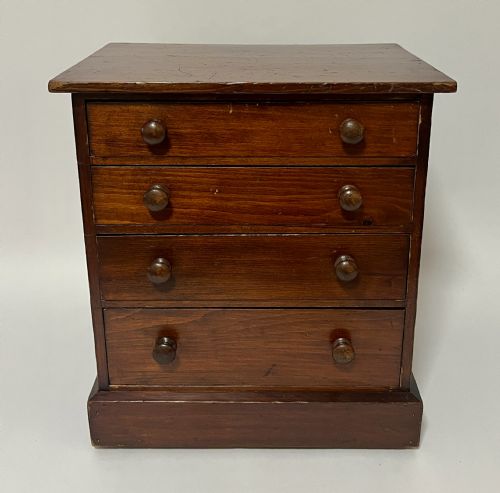
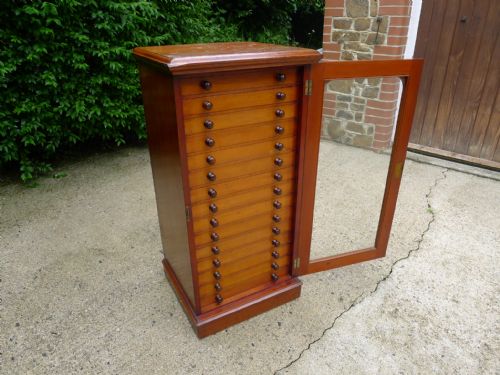
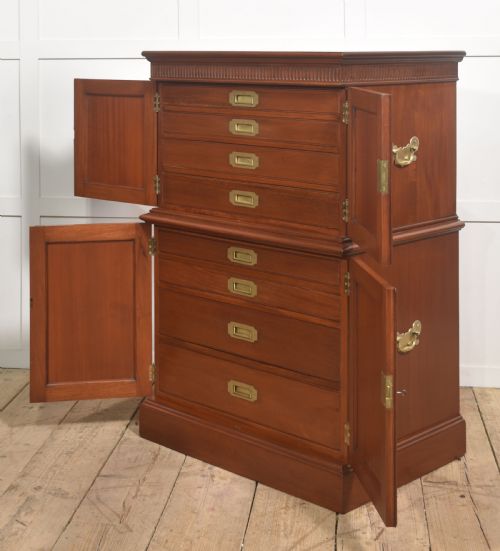
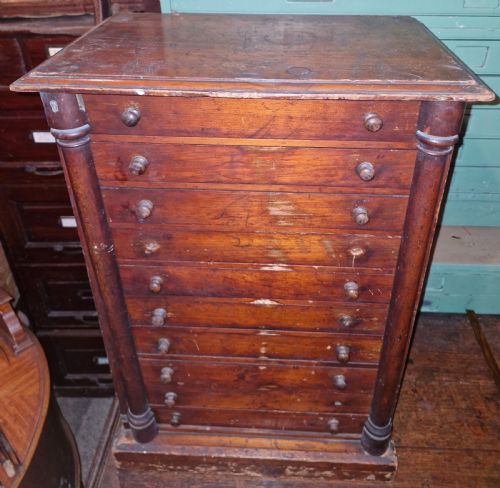
When searching for an entomology drawer, a buyer encounters individual trays or the complete collectors cabinets, chests, and specimen display cases that house them. These pieces predominantly date from the Georgian, Victorian, and Edwardian eras, reflecting the height of natural history collecting in Britain.
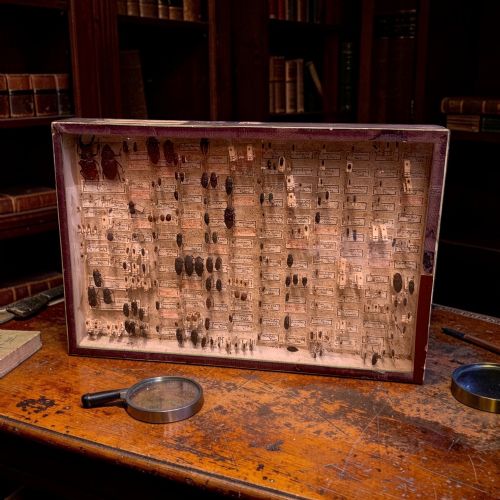
The specimens inside these pieces were historically pinned into cork-lined bases protected by glazed frames, ensuring visibility while keeping dust away. Most examples on this page are formed from rich timbers like mahogany, walnut, or oak, often arranged in multi-drawer banks with brass pulls.
While complete cabinets with dozens of drawers remain the most visible format, the individual drawers function independently as shallow display cases. They offer a tangible connection to 19th-century scientific study and domestic natural history pursuits.
Materials and construction
Cabinet makers utilised dense hardwoods such as Cuban mahogany, walnut, and oak to build the structural carcases and drawer frames. These timbers provided the dimensional stability required to prevent warping, which would otherwise allow pests to enter the enclosed compartments.
Glazed frames fitted with clear glass allowed natural light to illuminate the interior specimens without exposing them to handling. Brass hardware, including flush drop handles and locking mechanisms, secured the heavy banks of drawers.
Entomology Drawer Retail Price Guide 2026
Typical asking prices for entomology drawer among the pieces listed under this phrase on Sellingantiques today, from the lower quarter to the upper quarter. They describe what is for sale here now, not the wider market.
The listings on this page span the Georgian, Victorian, and Edwardian periods, constructed primarily in mahogany, walnut, oak, and pine.
Evaluating craftsmanship and build
The distinction between standard storage and fine cabinet-making rests upon the precision of the drawer fit and the choice of timber. Superior examples feature flawless hand-cut dovetails, secondary woods like satin birch or satinwood, and tight dust lips that seal each tier.
Maker attribution elevates certain pieces significantly, with workshops such as Watkins & Doncaster, Brady of Edmonton, and J.T. Crockett representing the pinnacle of natural history cabinetry. The thickness of the solid mahogany or figured pitch pine further defines the structural integrity of the piece.
Watkins & Doncaster·Brady of Edmonton·Charles William Schofield·J.T. Crockett
The Entomology Drawer Glossary
- Entomology drawer
- A shallow wooden tray with a glass lid designed to hold pinned insect specimens. These drawers slide into vertical slots within a larger cabinet carcase.
- Collectors cabinet
- A multi-tiered wooden chest built specifically to house collections of natural history specimens, coins, or geological samples. They typically feature panelled locking doors that conceal rows of internal drawers.
- Cork lining
- The foundational layer inside the base of a specimen drawer, historically made of cork to securely hold entomological pins. It is usually covered in paper or fabric.
- Specimen case
- A portable glazed box used for displaying or transporting individual natural history items. These smaller formats often double as wall-hanging or tabletop display units.
- Dovetail joint
- A traditional wood-working joint formed by interlocking wedge-shaped fingers, used extensively on the corners of period drawers for maximum strength.
Entomology Drawer: Frequently Asked Questions
What fits inside an entomology drawer?
These shallow drawers were historically designed to hold pinned insects, butterflies, and botanical or geological specimens. The interior depth accommodates standard specimen pins and small labels without crowding.
Today, modern collectors repurpose them to display small curiosities, medals, jewellery, or natural objects while keeping them protected behind the original glass lids.
How do you clean the glass?
The glass panels on these drawers are often delicate and held in place by old putty or tiny wooden glazing beads. Use a soft, dry cloth to remove dust from the surface.
Avoid spraying liquid cleaner directly onto the glass, as excess moisture can seep into the historic wood or paper-lined interior and cause staining.
How do you date a cabinet?
Dating relies on observing the timber species, construction methods, and hardware style used across the piece. Georgian and early Victorian examples frequently utilise Cuban mahogany and hand-cut dovetails, while Edwardian versions often incorporate pine or simpler locking mechanisms.
Maker labels or stamps pasted inside the door frames or drawer sides provide the most direct evidence of the period and workshop of origin.
Where should I place a cabinet?
Solid wood cabinets require placement away from direct sunlight and strong heat sources to prevent the timber from drying out and splitting. Stable indoor humidity protects both the structural wood and the historic glass settings.
Positioning the cabinet where the drawers can be pulled out fully ensures you can view the contents safely without tilting the trays.