




Engraved Vintage Clock
An engraved vintage clock brings together precise mechanical engineering and surface ornamentation, spanning carriage clocks, lantern clocks and mantel pieces.
Engraved Vintage Clock
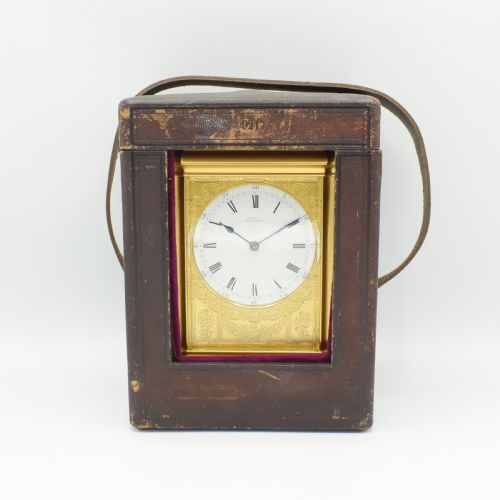
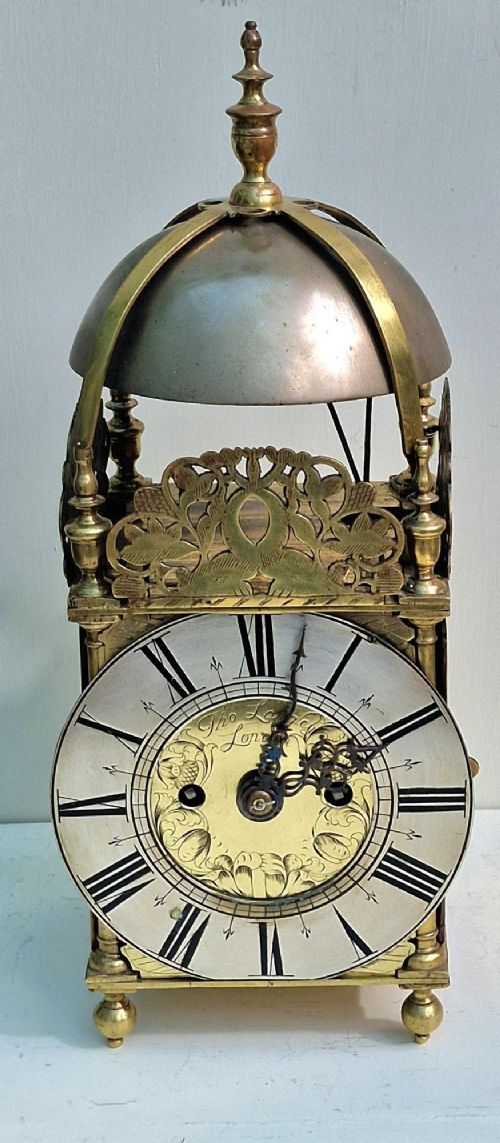
When a buyer searches for an engraved vintage clock, they encounter an array of timepieces ranging from nineteenth century French carriage clocks to seventeenth century English lantern clocks. The selection on this page demonstrates that these items vary significantly in form, moving from large grandfather clocks down to miniature desk accessories and library timepieces.
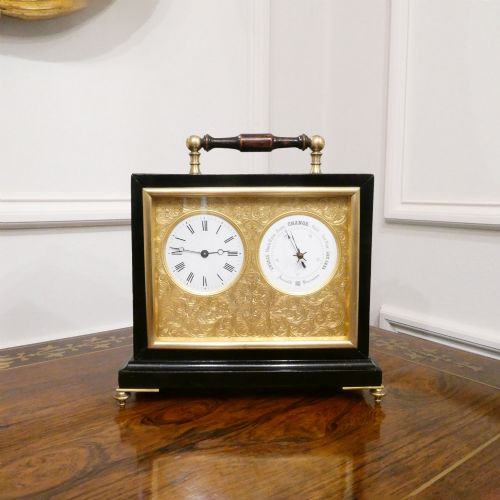
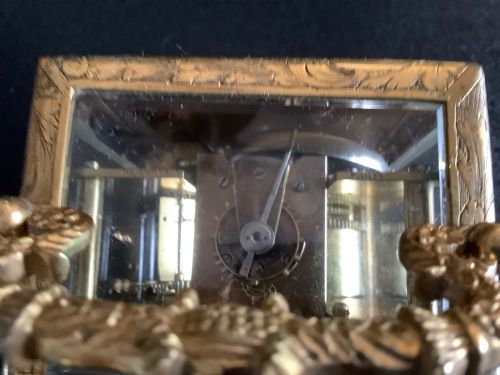
Carriage clocks dominate the types available, often featuring intricately decorated gilt brass cases with glass panels that reveal the movement within. Alongside these portable designs, buyers find mantel clocks, wall-hanging instruments, and solid silver desk pieces reflecting styles from Georgian plainness to Art Deco geometry.
Materials and Construction
Makers constructed these timepieces primarily using brass, gilt brass, and bronze, often pairing them with silvered metal dials and glass viewing panels. Cabinet makers also utilised traditional timbers such as mahogany, rosewood, oak, and walnut for larger mantel and grandfather clock housings.
Surface decoration relies on manual metal engraving, where craftsmen cut intricate floral, geometric, or scrolling patterns directly into the brass cases and movement backplates. Movements incorporate complex brass and steel gear trains, fusee mechanisms, and specialised escapements driven by springs or weights.
Listings span periods from the seventeenth century through the Edwardian era, utilising brass, mahogany, glass, and silver.
Distinctions in Quality
Quality in these timepieces rests upon the precision of the mechanical movement and the depth of the hand engraving across the case. Superior examples display crisp, deeply cut ornamentation that covers multiple sides of the brass housing without blurring or uneven lines.
Makers known for exceptional production integrate advanced complications such as quarter striking, alarm functions, or platform escapements. The incorporation of signed movements by recognised makers elevates the standard above standard commercial production.
Thomas Langley·John Spershott·Mappin and Webb·Delépine-Barrois·Gontard and Bolviller·Thomas Cole·James Cole·Drocourt·Holingue·Paul Garnier·Bourdin·Tiffany·William Harley·Mathias Bauerle·Alfred Hollinge
The Engraved Vintage Clock Glossary
- Fusee
- A conical pulley used in mechanical clocks to equalize the diminishing power of the mainspring as it unwinds. This mechanism helps the clock maintain a consistent rate throughout its running period.
- Escapement
- The mechanical linkage that regulates the speed at which the gear train releases its power. It provides the impulse that keeps the pendulum or balance wheel moving.
- Carriage clock
- A small, portable spring-driven clock designed for travel during the nineteenth century. These pieces usually feature a carrying handle on top and glass panels in a brass frame.
- Lantern clock
- An early form of domestic brass weight-driven clock originating in seventeenth century England. They typically hang on a wall bracket or sit on short feet.
- Grandfather clock
- A tall, free-standing weight-driven pendulum clock housed in a wooden case. They are also known as longcase clocks.
Engraved Vintage Clock: Frequently Asked Questions
What is the difference between a fusee and a spring-driven clock?
A spring-driven clock relies directly on a coiled mainspring housed within a barrel to provide power to the gear trains. As the spring unwinds, its force decreases.
A fusee movement introduces a conical pulley that moderates this uneven force by using a fine chain or gut line. This ensures consistent torque is delivered to the escapement for better timekeeping accuracy.
How can I tell the age of a brass clock?
Dating relies on examining the style of the case, the method of construction, and the signature or hallmarks on the dial and movement. Earlier seventeenth century pieces often feature iron and brass components with verge escapements.
Later nineteenth century examples shift toward standardised platforms and heavy gilt brass cases decorated with machine or hand engraving. Comparing the typography of the maker's signature helps narrow down the production decade.
Where should I place a vintage desk clock?
Position your clock on a stable, vibration-free surface away from direct sunlight, moisture, and extreme temperature fluctuations. Wooden mantelpieces and sturdy desks provide ideal environments for maintaining mechanical stability.
Ensure the piece is leveled properly, particularly if it relies on a delicate balance wheel or pendulum. This prevents uneven wear on the pivot holes and the escapement.
Why do some carriage clocks strike the hours?
Striking mechanisms add an audible dimension to timekeeping by sounding bells or gongs on the hour or quarter-hour. More complex variants include grande sonnerie movements that strike both the hours and quarters automatically.
These additions required greater skill from the maker and increased the overall weight and complexity of the brass movement.