
Engraved Silver Plates
These engraved silver plates and related pieces combine durable base metals with decorative surface work from the eighteenth century onwards.
Engraved Silver Plates
Engraved silver plates encompass a variety of serving vessels, trays, and flatware produced across the eighteenth, nineteenth, and early twentieth centuries.
The material record on this page contains solid silver alongside Old Sheffield Plate, electroplated nickel silver, and standard silver plate.
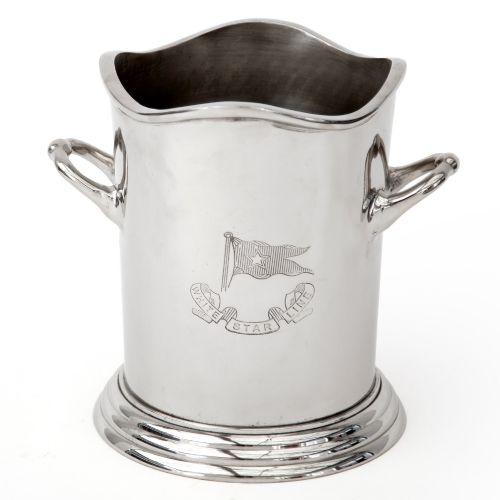
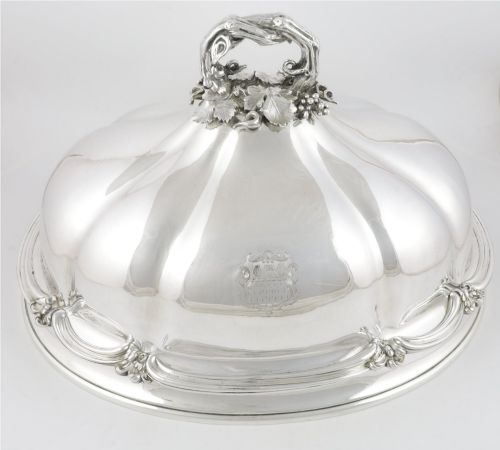
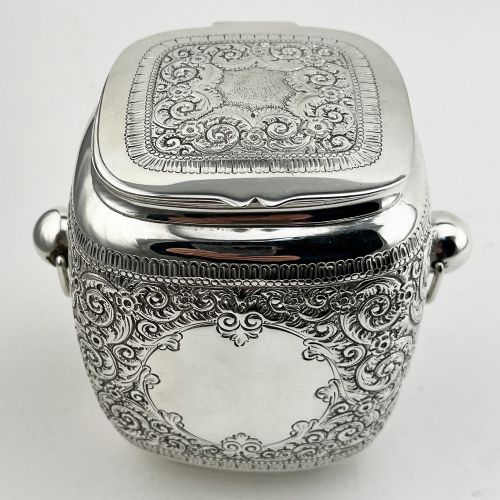
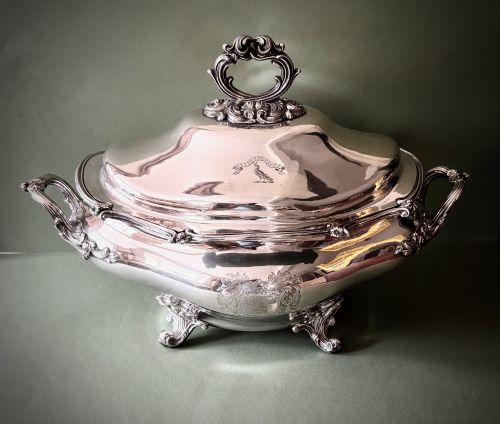
Forms span from functional card trays and meat domes to tea service components and decorative wine coolers, reflecting the social dining habits of Georgian, Victorian, and Edwardian households.
Materials and technique
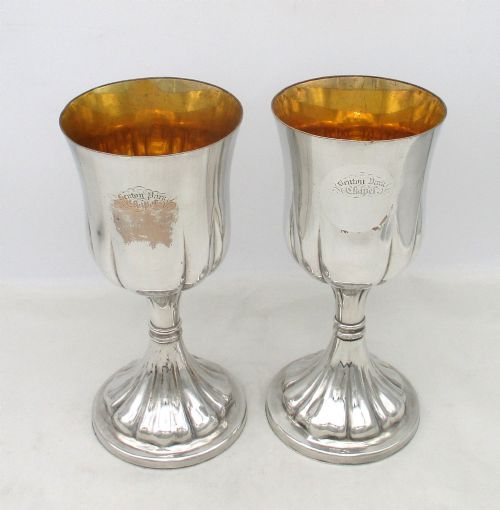
Early items utilise Old Sheffield Plate, a method fusing a thin sheet of silver to a thicker copper core by heat and pressure.
Later nineteenth-century production adopted electroplated nickel silver, applying silver via an electrical current onto base metals like copper or nickel alloys.
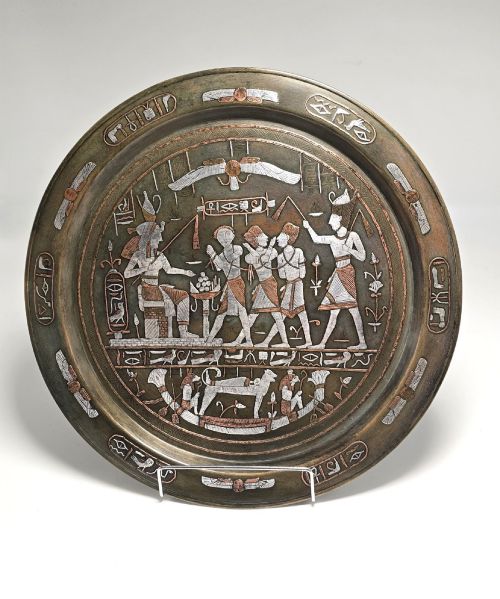
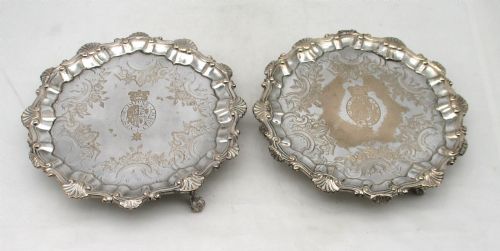
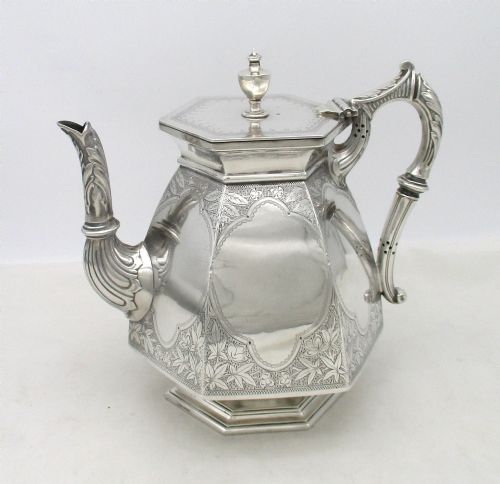
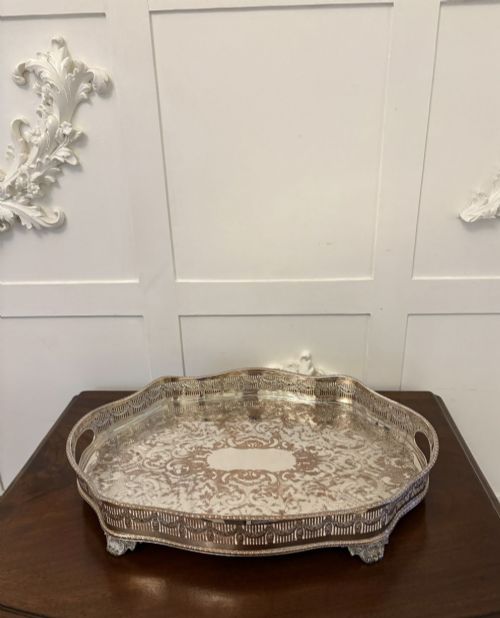
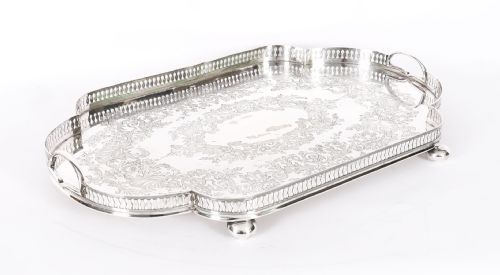
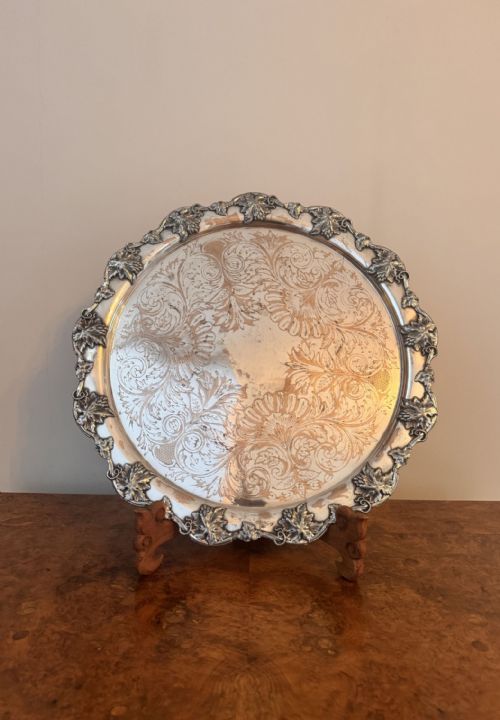
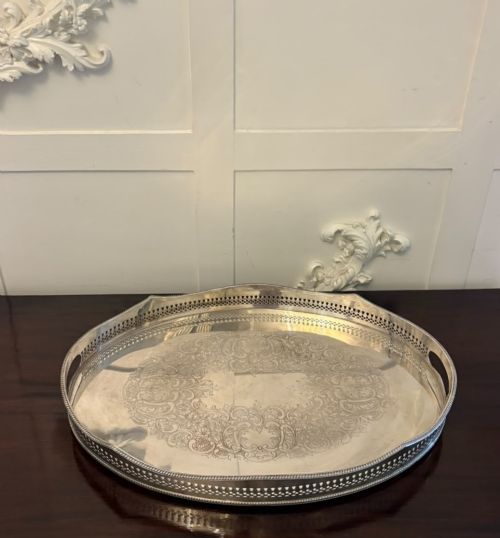
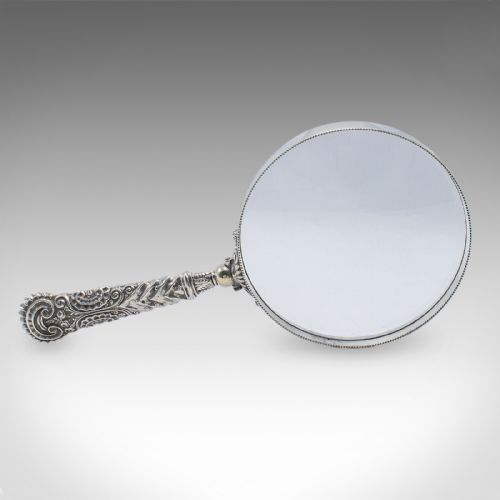
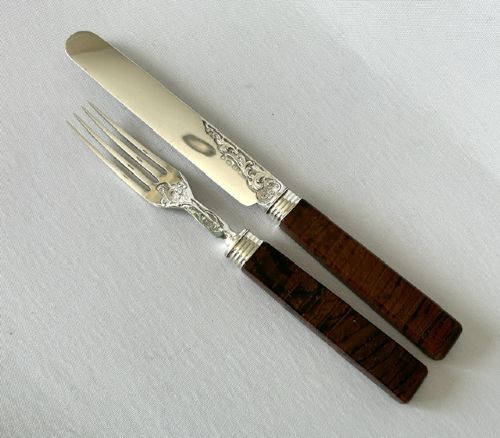
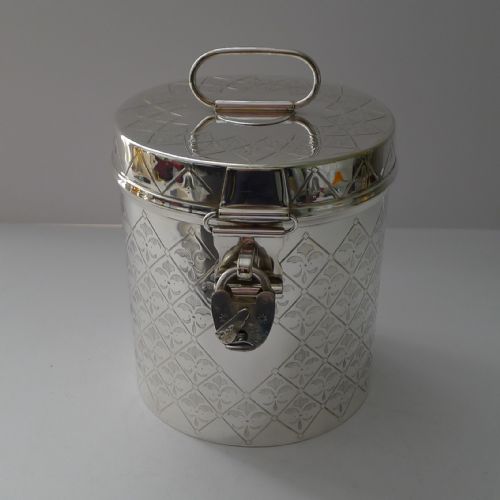
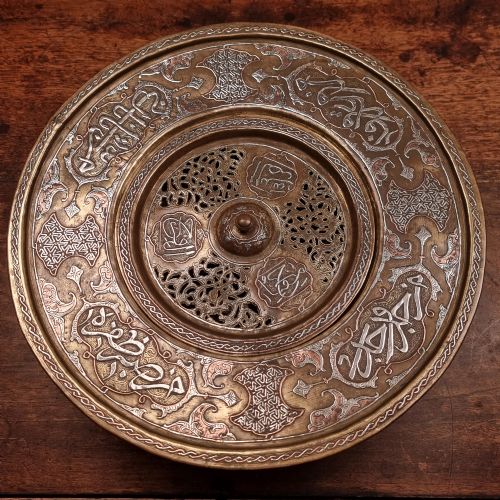
Surface ornamentation relies on hand engraving, piercing, and embossing to cut intricate crests, floral motifs, and geometric borders into the metal.
Distinctions in quality
Quality rests on the crispness and depth of the hand engraving, where sharper, more purposeful cuts indicate skilled artisan work.
The preservation of the underlying metal layers, particularly on Old Sheffield Plate where copper might show through high-wear spots, dictates the integrity of the piece.
Substantial weight, balanced proportions, and maker marks from notable workshops distinguish high-grade production from standard domestic items.
James Deakin·Roberts Cadman·Martin Hall & Co·Mappin and Webb·Thomas Bradbury & Sons·Walker and Hall·G R Collis·Elkington, Mason & Co
The Engraved Silver Plates Glossary
- Old Sheffield Plate
- A composite material made by fusing a layer of silver to a copper base before rolling into sheets. This technique predates nineteenth-century electroplating methods.
- Electroplated Nickel Silver
- A base metal alloy of copper, nickel, and zinc coated with a layer of silver using an electrical current. It became the standard manufacturing method in the Victorian era.
- Salver
- A tray used for serving food or drinks, typically manufactured in silver or silver plate with decorative rims. They often stand on small feet.
- Meat Dome
- A large, domed metal cover used to keep roasted joints warm on the dining table. These pieces frequently feature engraved crests and substantial handles.
- EPNS
- An abbreviation for electroplated nickel silver, commonly stamped as a mark on late nineteenth and twentieth-century tableware.
Engraved Silver Plates: Frequently Asked Questions
How do I clean antique silver plate?
Use a non-abrasive silver cloth and a mild, specialised cleaning solution designed for plated items. Avoid harsh dips that strip the remaining silver layer.
Gentle wiping preserves both the engraved details and the underlying base metal from unnecessary wear over time.
What is Old Sheffield Plate?
Old Sheffield Plate is an early composite material created by fusing silver to a copper core. Pieces made this way often show a faint copper tint along exposed edges.
This technique was largely replaced in the mid-nineteenth century by cheaper electroplating processes.
How do I date these items?
Dating relies on maker marks, style conventions, and manufacturing techniques recorded in the piece. Victorian and Edwardian items often feature specific aesthetic traits or registration numbers.
Comparing the base metal and engraving style helps narrow the period of origin.
Can I use these plates for dining?
Most antique silver plates and trays serve well for display or careful presentation use. Modern acidic foods can tarnish or damage delicate historic surfaces if left too long.
Hand washing with mild soap keeps the metal stable without risking the vintage finish.