

Engraved Silver Handle
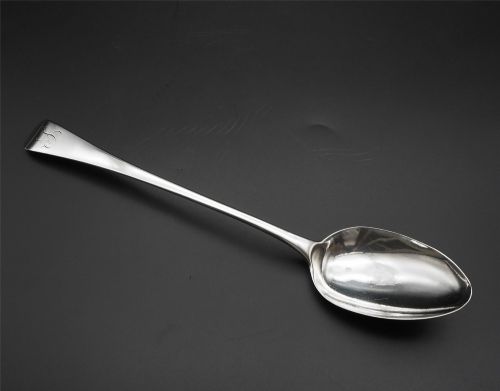
An engraved silver handle brings tactile detail to flatware, serving pieces and library tools across Georgian and Victorian periods.
Engraved Silver Handle
When you search for an engraved silver handle, you encounter decorative and utilitarian objects where the grip receives considerable artisanal attention. These items span periods from the Georgian era through to the Victorian and Edwardian decades, capturing shifting domestic habits.
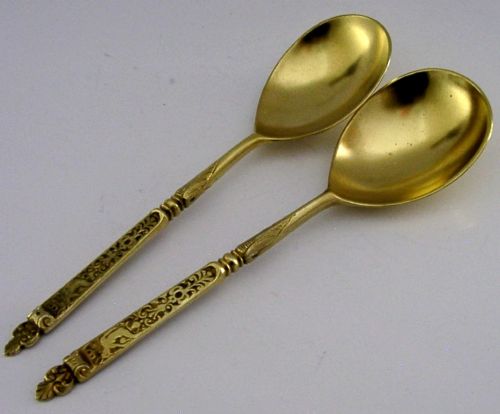
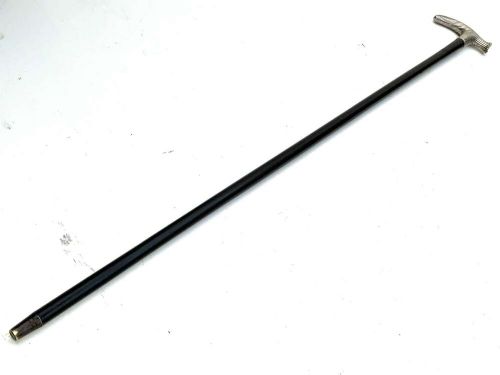
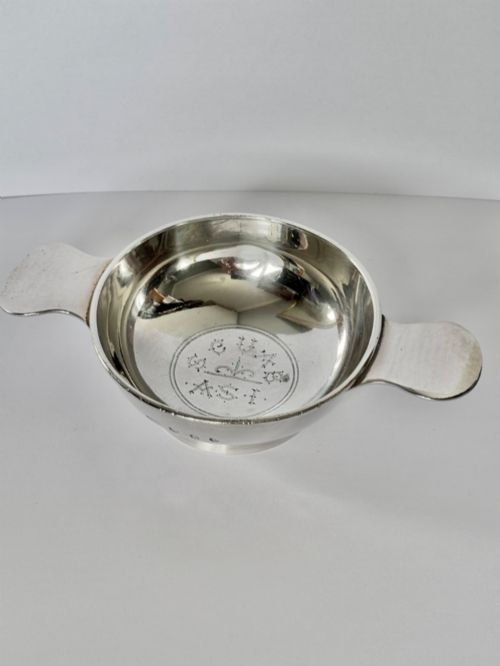
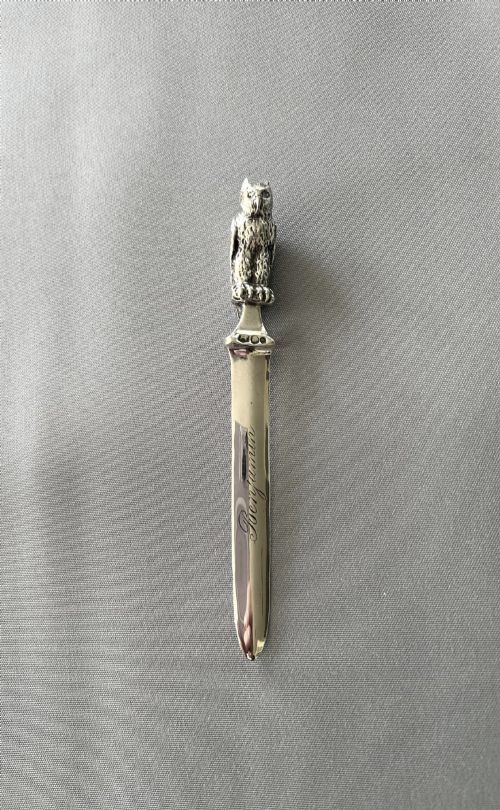
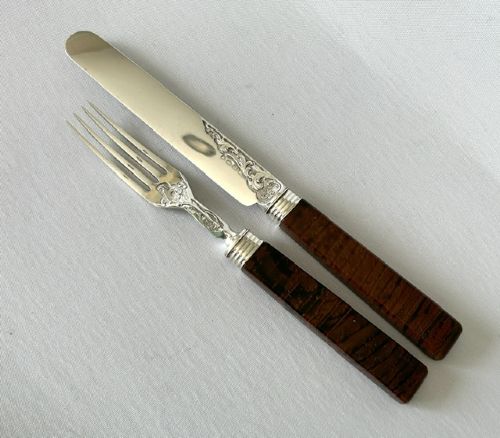
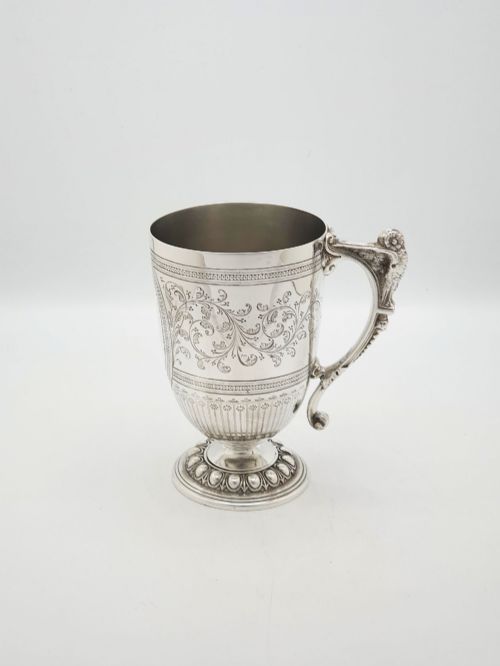
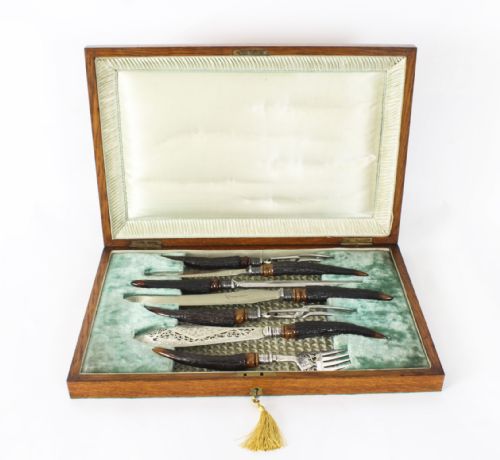
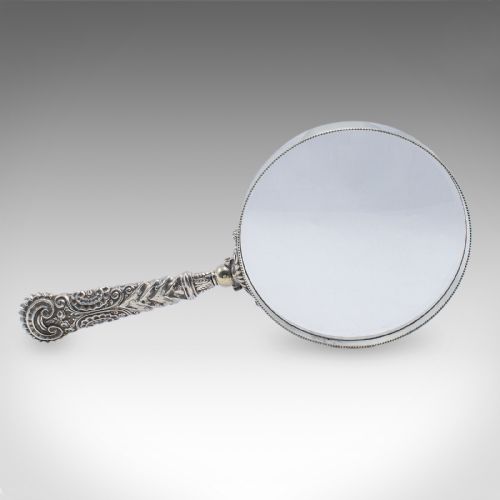
The selections on this page surface primarily as fruit knives, serving forks, berry spoons and magnifying glasses. Such items combine functional utility with surface ornamentation executed by period metalsmiths.
Makers utilised sterling silver and silver plate over base metals, often pairing the metal grips with organic elements like antler horn, agate or crystal. Each piece reflects the prevailing style of its manufacturing decade, ranging from Neo-Classical restraint to elaborate Victorian embossing.
Materials and construction methods
Artisans formed these grips using sterling silver or applied silver plate over copper and base metals, deploying techniques such as casting, embossing and hand engraving. Sheffield plating methods appear alongside solid sterling components.
Makers integrated the metal shafts with diverse companion materials, securing silver handles to steel blades, glass vessels, or organic substances like antler and agate. Detailed surface engraving required precise graver work directly into the metal.
Structural joints relied on pins, adhesives or snug socket fittings to anchor the decorated grip securely to the functional end of the implement.
Engraved Silver Handle Retail Price Guide 2026
Typical asking prices for engraved silver handle among the pieces listed under this phrase on Sellingantiques today, from the lower quarter to the upper quarter. They describe what is for sale here now, not the wider market.
Assessing quality in engraved silver handles
Quality rests upon the crispness and depth of the hand engraving, where sharper, deeper incisions indicate superior handwork rather than shallow machine stamping. The clarity of maker marks and hallmarks also signals better workshop standards.
Proportion and weight dictate the tactile success of the piece, with finer items offering balanced heft in the hand rather than hollow lightness. The structural integrity of the join between the grip and the blade or vessel remains paramount.
James Deakin·Roberts Cadman·Mappin And Webb·Thomas Bradbury And Sons·G R Collis·Henry Chawner·Matthew Boulton·Harrison Bros
The Engraved Silver Handle Glossary
- Hallmark
- Official stamps applied to precious metals indicating the standard of purity, the assay office, and the date letter. These marks help historians date sterling silver items accurately.
- Sheffield Plate
- An early fusing technique where a sheet of silver is fused to a copper core by heat and pressure. This method produces durable layered metal seen on Georgian and Victorian wares.
- Berry Spoon
- A large serving spoon, often dating from the Georgian or Victorian periods, retrofitted with embossed fruit and chased foliage on the bowl and handle. Collectors prize them for their decorative floral motifs.
- Caddy Spoon
- A small scoop designed for measuring loose tea leaves from a caddy, frequently featuring intricately engraved handles. They represent miniature examples of period silversmithing.
- Agate
- A form of chalcedony quartz utilised by period makers for decorative handles on knives and forks. Its natural banding patterns provide visual variety.
Engraved Silver Handle: Frequently Asked Questions
What periods do these silver items originate from?
The listings span several distinct historical eras, incorporating Georgian, Victorian, and Edwardian pieces. Manufacturing dates also stretch into the early twentieth century.
Craftsmen working across these periods applied evolving decorative styles, moving from Georgian restraint to ornate Victorian and Art Deco designs.
How do I care for silver handled items?
Gentle cleaning with a soft cloth helps preserve the delicate surface engraving without wearing away thin plating or sterling details. Avoid harsh chemical dips that strip period patina.
Store items away from humid environments to prevent tarnishing and protect organic companion materials like agate or horn from moisture damage.
What materials are used alongside the silver?
Makers frequently paired silver grips with steel for cutlery blades, glass for claret jugs, and base metals for plated wares. Organic substances such as antler horn and agate also appear.
These varied combinations served specific domestic functions, from cutting fruit to serving wine at the dining table.
Are these pieces solid silver or plated?
Evidence shows a mix of solid sterling silver and silver plate over copper or base metals. Sheffield plating techniques feature prominently among the older serving pieces.
Examining the object for hallmarks helps distinguish solid sterling items from plated counterparts.