



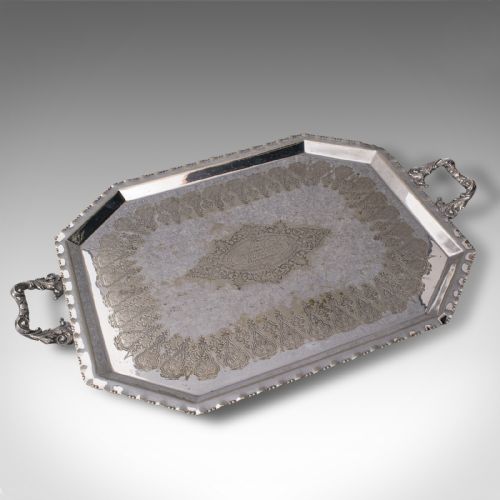


Engraved Presentation Plate
An engraved presentation plate marks a specific milestone, bringing weight and history to a sideboard or table.
Engraved Presentation Plate
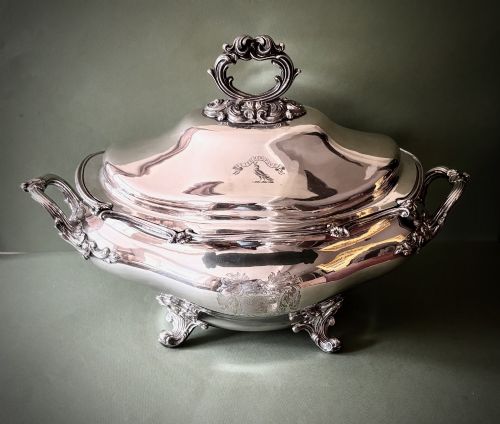
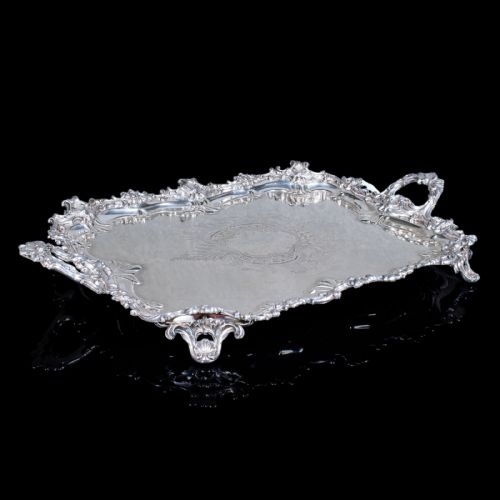
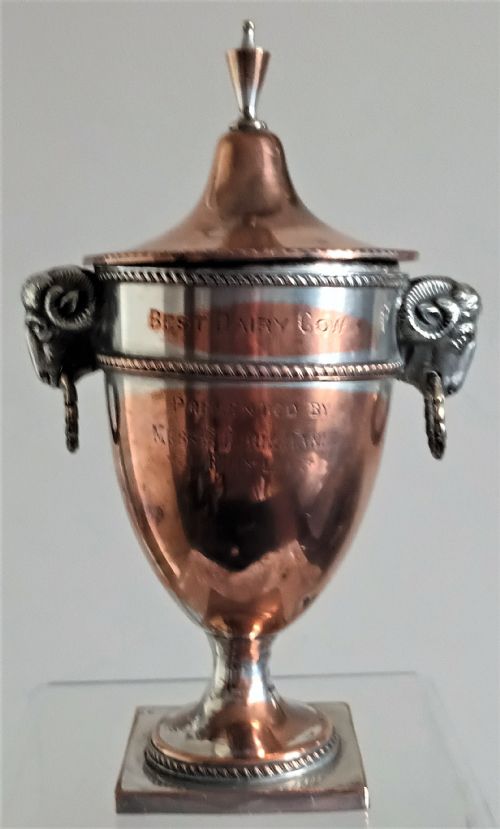
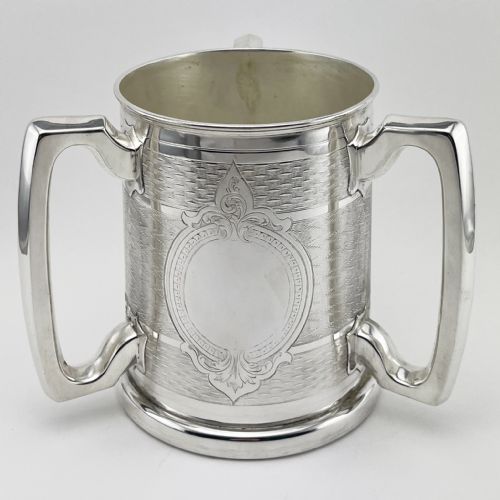
An engraved presentation plate encompasses trays, salvers, chargers, and serving pieces bearing commemorative inscriptions. These items often record significant historical events, military achievements, or local church presentations.
The selections span from the Georgian era through the Victorian period and into the Edwardian years. Platters and salvers dominate the offerings alongside loving cups, urns, and serving cutlery.
English and Persian workshops provide the primary geographical origins for these inscribed pieces. Makers employ diverse materials ranging from sterling silver to copper and various plated metals.
Materials and Construction Techniques
Old Sheffield plate and electroplated nickel silver form the foundation of many surviving examples. Craftsmen also utilised solid sterling silver and hammered copper for substantial platters and chargers.
Hand engraving provides the defining characteristic, cutting deeply into the metal surface to reveal dedications and ornate decorative borders. Plating techniques apply thin layers of precious metal over base metals like copper and nickel.
Engraved Presentation Plate Retail Price Guide 2026
Typical asking prices for engraved presentation plate among the pieces listed under this phrase on Sellingantiques today, from the lower quarter to the upper quarter. They describe what is for sale here now, not the wider market.
Listings feature items spanning the eighteenth, nineteenth, and early twentieth centuries in silver plate, copper, and sterling silver.
Assessing Quality and Execution
The crispness and depth of the hand engraving distinguish superior examples from standard production pieces. Fine execution requires steady incision work that remains sharp across complex armorials and dedication text.
Substantial weight in the underlying metal indicates better manufacturing standards, particularly in silver plated items where base metals must provide rigidity. The quality of the original plating or solid silver grade dictates how well the surface ages over centuries.
Robert and Belk·James Fray·Christofle
The Engraved Presentation Plate Glossary
- Salver
- A flat plate or tray, typically made of silver or silver plate, used for serving food or presenting items. These pieces frequently carry presentation inscriptions on the central field.
- Old Sheffield Plate
- A composite material formed by fusing a sheet of silver to a thicker bar of copper. This technique predates modern electroplating and leaves a characteristic copper edge line.
- Charger
- A large decorative plate used as a base for other courses or displayed independently. In presentation pieces, these often commemorate specific civic or religious milestones.
- Electroplated Nickel Silver
- A base alloy of copper, nickel, and zinc coated with a thin layer of silver using an electrical current. This process became widespread during the nineteenth century.
Engraved Presentation Plate: Frequently Asked Questions
What were presentation plates used for?
These pieces served as formal gifts to mark retirements, military promotions, sporting victories, and church milestones. Inscribed text on the surface typically records the recipient and the specific occasion.
Beyond ceremonial use, larger trays functioned during afternoon tea service or formal dining occasions in domestic households.
How do I care for silver plated items?
Gentle cleaning with a soft cloth and dedicated silver polish prevents the loss of delicate plating layers over time. Avoid abrasive cleaners that strip the thin silver coating from underlying base metals.
Store pieces in dry environments away from direct sunlight to minimise tarnishing on both engraved and plain surfaces.
How can I tell Old Sheffield plate apart?
Old Sheffield plate displays a visible seam of copper where the fused silver layer meets the base metal edge. This manufacturing method ceased after the invention of electroplating.
Items produced through this older technique often feel substantial and show soft wear patterns particular to fused silver.
Where should I display a presentation tray?
Salvers and chargers look best mounted on plate stands or displayed flat on sideboards where the engraving remains visible. Good lighting helps highlight the depth of the hand-cut inscriptions.
Ensure the display surface provides stable support for heavier copper and silver plated items.