


Engraved Picture Pendant
An engraved picture pendant is a hinged keepsake holding a portrait or token, and these wearable pieces offer a tangible link to past lives.
Engraved Picture Pendant
When you search for an engraved picture pendant, you seek an ornate wearable keepsake designed to hold miniature portraits or personal mementos close to the heart. The pieces gathered here predominantly span the Victorian and Edwardian eras, alongside selections from the mid-nineteenth and twentieth centuries.
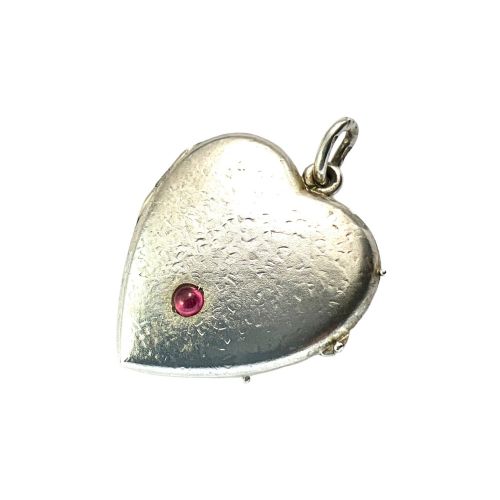
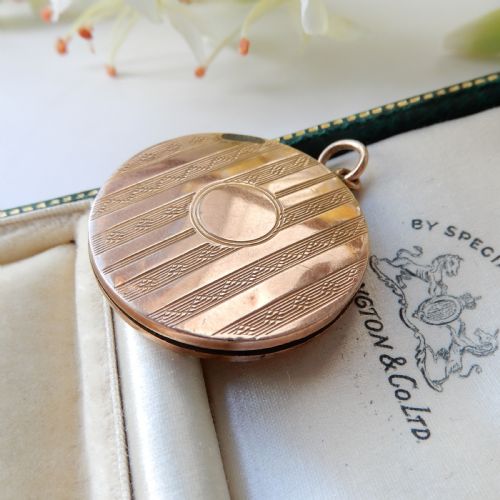
The physical forms on display range from classic circular and oval lockets to heart shapes, book forms, and sunburst motifs. Many examples function as both lockets and pendants, occasionally accompanied by chains, while materials stretch from sterling silver and rolled gold to nine-carat and eighteen-carat yellow gold.
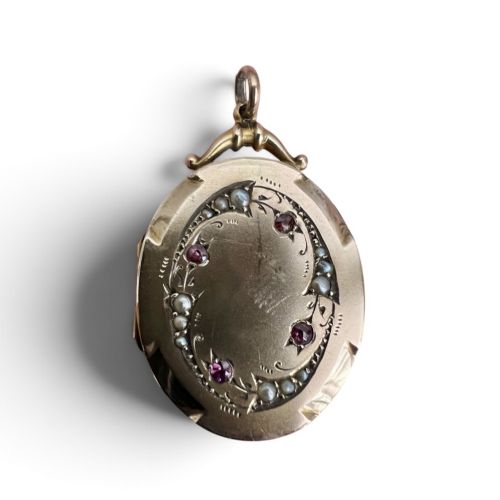
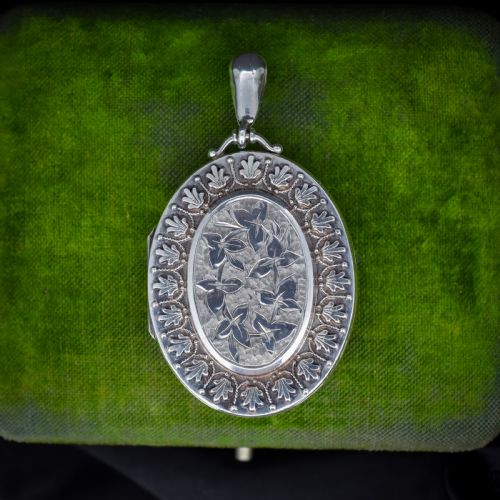
Victorian examples dominate the available selection, often featuring deep hand-engraved foliate patterns, ivy, or floral arrangements. Alongside these, buyers encounter Edwardian and later twentieth-century interpretations incorporating gemstones such as rubies, emeralds, seed pearls, and blue enamel.
How they were made
The construction of these items relies heavily on precious metals like sterling silver and various grades of gold, including nine-carat, eighteen-carat, and rolled gold. Artisans shaped these metals into hollow hinged enclosures, sometimes utilising a back-and-front method where gold plates are bonded to a base metal core for durability.
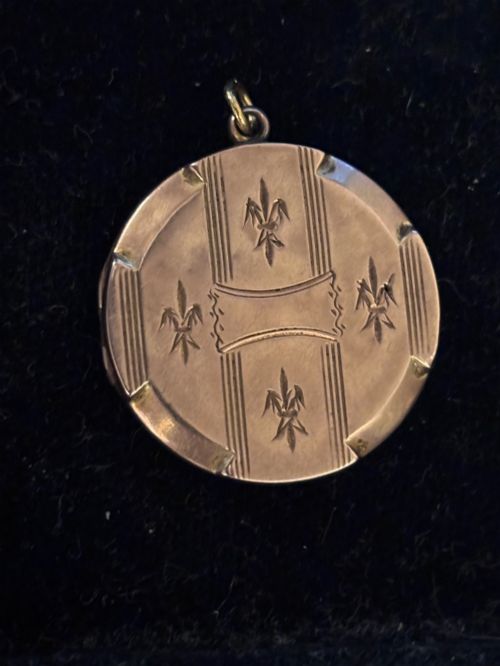
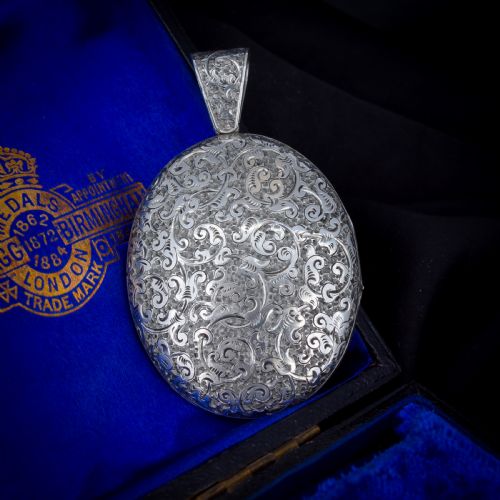
Surface ornamentation is achieved through meticulous hand engraving, creating detailed foliate, swallow, flower basket, and sunburst designs. Engine-turned detail appears on select pieces, providing geometric precision, while flush or claw settings secure accent stones like rubies, emeralds, and seed pearls.
Swallow birds and hidden flower baskets grace the metal surfaces, carrying secret messages of safe return and enduring affection across the decades.
What varies in quality
Quality in these items rests upon the crispness and depth of the hand engraving and the structural integrity of the hinge and clasp mechanism. Superior examples display sharp, well-defined floral or geometric motifs without flattening from wear, whereas lesser pieces show softened details.
The choice of materials also dictates standing, with solid nine-carat or eighteen-carat gold and sterling silver versions generally holding greater material substance than rolled gold alternatives. Furthermore, the inclusion of integrated glass frames, enamel work, and genuine gemstones like pearls, rubies, or emeralds elevates the sophistication of the piece.
The Engraved Picture Pendant Glossary
- Locket
- A small ornamental case worn on a chain around the neck, designed to hold a photograph or lock of hair. Most examples feature a hinged cover to secure the contents within.
- Back and Front
- A method of construction where the outer visible surfaces are made of solid gold, while the interior core consists of a base metal. This technique provided the appearance and wear resistance of solid gold at a lighter weight.
- Engine Turned
- A decorative technique involving a machine that etches precise, intricate geometric patterns into metal surfaces. This method was frequently employed on nineteenth-century pieces to create uniform texture.
- Seed Pearl
- A very small natural or cultured pearl, often utilised in clusters or star motifs on Victorian and Edwardian jewellery. These pearls add a delicate, luminous contrast to gold and enamel work.
Engraved Picture Pendant: Frequently Asked Questions
What is an engraved picture pendant?
An engraved picture pendant is a hollow, hinged piece of jewellery designed to open and reveal a space for a miniature photograph or keepsake. The exterior surfaces feature hand-carved or machine-etched designs such as flowers, birds, or geometric patterns.
These items were traditionally worn on chains close to the heart as personal tokens of affection or remembrance. They combine decorative metalwork with a private function.
How do I open an antique locket?
Most antique lockets secure via a small side hinge and a snap-shut latch or tiny push button. You should gently inspect the edge opposite the hinge to locate the seam where the cover separates.
Exercise patience and avoid using metal tools to pry the case open, as this can damage the delicate gold or silver rims. Many older pieces open smoothly once the accumulated dust of decades is cleared from the clasp.
Can I put a modern photo inside?
You can place modern photographs inside these pieces, though standard prints will usually require careful trimming to fit the specific interior shape. Many older items retain their original interior metal bezels and thin glass or celluloid covers to hold the picture securely in place.
When inserting a new photograph, trace the interior frame onto paper first to create a precise template. This prevents accidental cutting and protects the fragile historic interior.
How do I date a gold locket?
Dating a gold locket involves examining the style of engraving, the overall shape, and any hallmark stamps pressed into the metal. Victorian pieces often display deep foliate or ivy engravings, while Edwardian items lean toward lighter motifs or geometric book forms.
Material composition also offers clues, as nine-carat and eighteen-carat yellow gold were common across the nineteenth and early twentieth centuries. Comparing the design motifs to documented periods helps establish a reliable timeframe.