



Engraved Metal Pot
An engraved metal pot brings weight and intricate surface detail to a room, ranging from Indian brass cachepots to Japanese bronze bowls.
Engraved Metal Pot
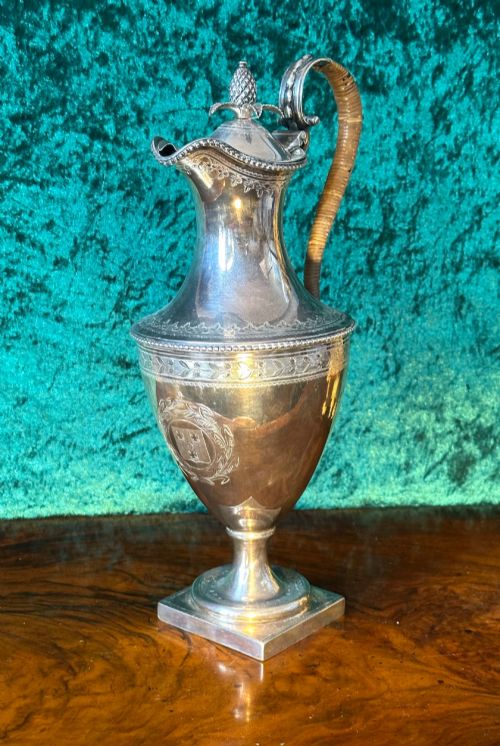
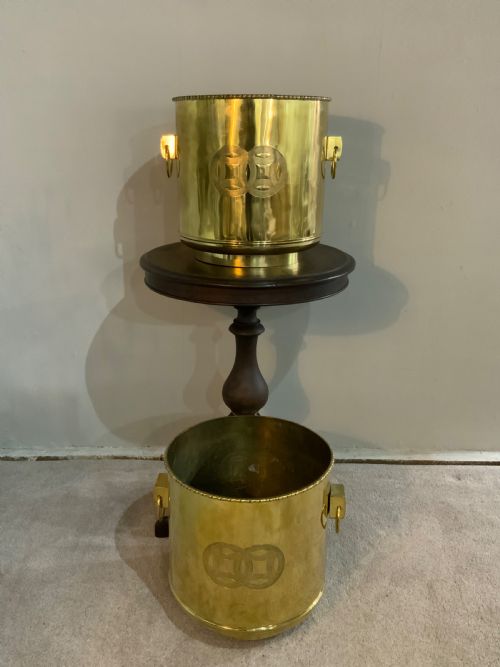
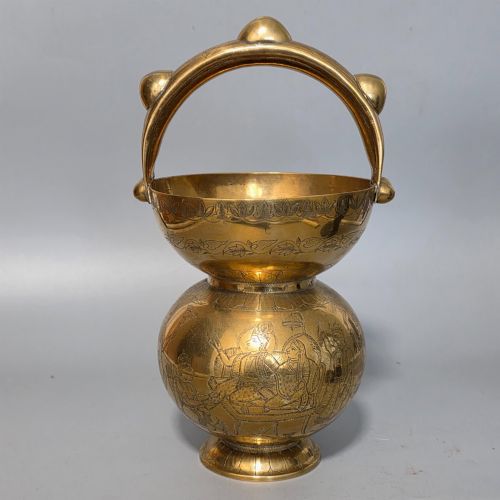
An engraved metal pot encompasses utilitarian vessels, decorative planters, and ceremonial containers spanning several centuries and global origins. Buyers seeking an engraved metal pot will encounter jardinières, cachepots, ewers, and vases originating from India, China, Japan, Persia, and the Middle East alongside British Victorian and Georgian pieces.
The selection on this page demonstrates remarkable variety in function and form, moving from large heavy planters to spherical ritual vessels and coffee pots. Most examples originate from the nineteenth century, including the Victorian and Raj periods, with earlier eighteenth-century Persian pieces and later Edwardian or Meiji period items appearing alongside them.
Materials and methods
The objects are constructed predominantly from brass, bronze, copper, and silver, occasionally incorporating tinned surfaces or wicker elements. Metals are worked through casting, hand-engraving, and deep chasing to produce ornate decorative motifs across the body of each vessel.
Makers utilised distinct regional techniques, such as the deep hand carving seen on Raj period bronzes or the polished finishes applied to Chinese brass jardinières. Patination often highlights the intricate surface work, whether on patinated bronze or warm patinated brass.
Engraved Metal Pot Retail Price Guide 2026
Typical asking prices for engraved metal pot among the pieces listed under this phrase on Sellingantiques today, from the lower quarter to the upper quarter. They describe what is for sale here now, not the wider market.
Materials represented include silver, wicker, patinated bronze, and tinned copper alongside standard brass and bronze.
Assessing quality
Quality rests upon the depth, clarity, and precision of the surface engraving or chasing rather than simply the weight of the metal. Finer examples display crisp, deliberate tool marks that define complex motifs without blurring or superficial stamping.
Material thickness and structural integrity separate standard utility items from monumental or ceremonial pieces like the bronze aftaba or ritual vessels. The harmony between the vessel form and its decorative scheme dictates the overall success of the piece.
Boardman Glossop Co
The Engraved Metal Pot Glossary
- Jardiniere
- An ornamental pot or stand for holding plants or flowers. These large vessels often feature heavy brass or bronze construction designed to sit on the floor or a substantial table.
- Cachepot
- An ornamental container used to conceal an ordinary flowerpot. They frequently appear in brass or ceramic and lack drainage holes at the base.
- Chasing
- A metalsmithing technique where the design is hammered into the front surface of the metal from the outside to sink it rather than cut it away. This pushes the metal without removing material, creating raised or textured low reliefs.
- Aftaba
- A traditional long-necked water vessel or ewer originating from Islamic and South Asian metalwork. These ceremonial pieces typically feature prominent spouts and elaborate handles.
- Meiji Period
- A Japanese historical era spanning from 1868 to 1912 noted for exceptional decorative metalwork and bronze casting. Works from this time often exhibit highly controlled patination and naturalistic motifs.
Engraved Metal Pot: Frequently Asked Questions
What is an engraved metal pot used for?
These metal vessels serve multiple domestic and ritual functions, acting as planters, cachepots, or decorative centrepieces depending on their original design. Many of the larger items were created as jardinières to house indoor foliage.
Other examples, such as ewers, kamandals, and ritual vessels, held liquids for ceremonial or daily purposes. Today, they function primarily as decorative objects that introduce texture and historical interest into interior spaces.
How do I care for antique brass and bronze?
Antique brass and bronze require minimal intervention to preserve their historic patination and surface detail. Dusting with a soft, dry cloth prevents grime accumulation within the engraved recesses.
Avoid abrasive metal polishes that strip away the aged surface layer and soften the engraved lines. Keeping them away from excessive moisture protects tinned interiors and vulnerable patinated finishes.
How can I tell the period of a metal pot?
Dating relies on combining stylistic clues, regional traditions, and manufacturing techniques visible in the metalwork. Nineteenth-century pieces often display distinct Raj period or Victorian design motifs alongside machine-assisted or hand-finished uniformity.
Earlier eighteenth-century vessels show different epigraphic or decorative standards, while Meiji period Japanese bronzes reflect specific artistic revivals of that era. Comparing the weight, construction seams, and tool marks helps narrow down the production window.
Where were these metal pots made?
The pieces originate from diverse global workshops spanning Britain, the Middle East, India, China, and Japan. Regional styles range from Anglo-Indian and Indo-Persian traditions to Chinese and Japanese Meiji period metalwork.
European Victorian and Georgian examples sit alongside these Asian and Middle Eastern imports, reflecting active global trade and stylistic exchange during the nineteenth century.