



Engraved Mechanical Watch
An engraved mechanical watch carries the weight of history and the intricate dance of gears in your palm.
Engraved Mechanical Watch
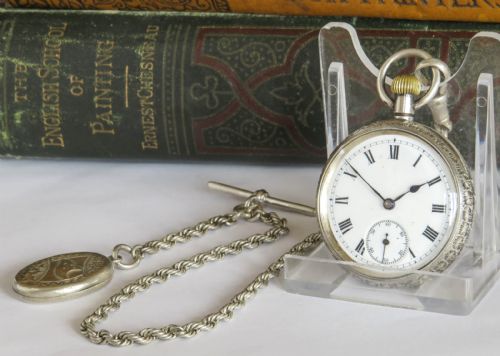
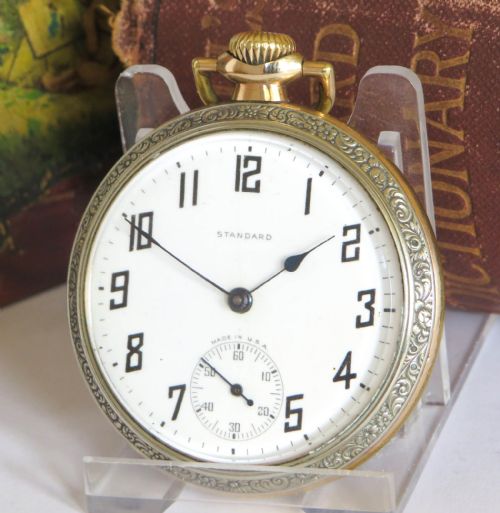
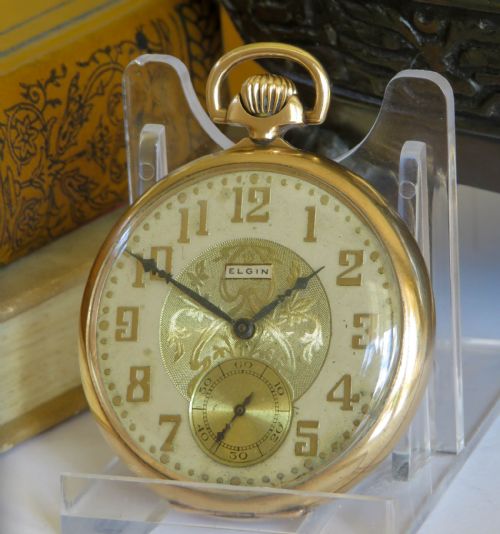
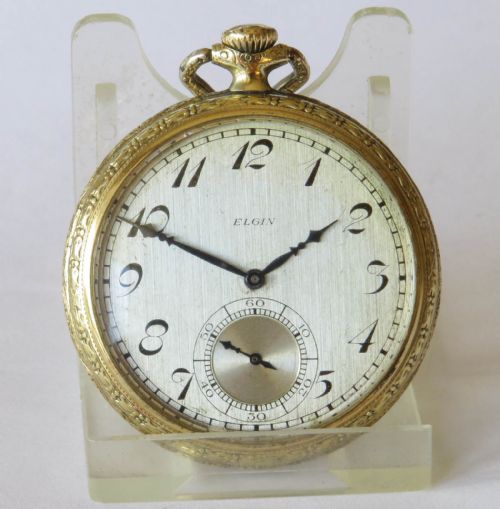
An engraved mechanical watch represents a convergence of traditional timekeeping and decorative metalwork, spanning from the eighteenth century through the mid-twentieth century. When you search for an engraved mechanical watch, you encounter pocket watches, fob watches, and early wristwatches designed for both men and women.
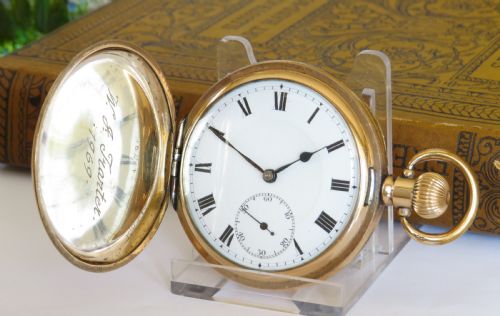
The selections on this page lean heavily into early twentieth-century examples, particularly from the nineteen-twenties and nineteen-thirties, alongside Victorian, Edwardian, and eighteenth-century pieces. You will find forms ranging from full hunter pocket watches to ladies' wristwatches styled in the Art Deco manner.
Makers and retailers represented across the periods include Elgin, Hamilton, Longines, Audemars Piguet, Benrus, New York Standard, Urania, and Windsor Exhibition. These pieces vary from robust silver pair-cased designs to delicate gold and diamond-set wristwatch forms.
How they were made
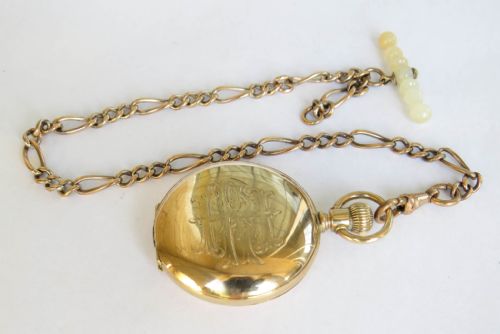
The construction of these timepieces relies on durable metals including silver, gold, gold plate, steel, and fourteen-karat or eighteen-karat white and yellow gold. Cases often feature detailed hand engraving across the front and back covers.
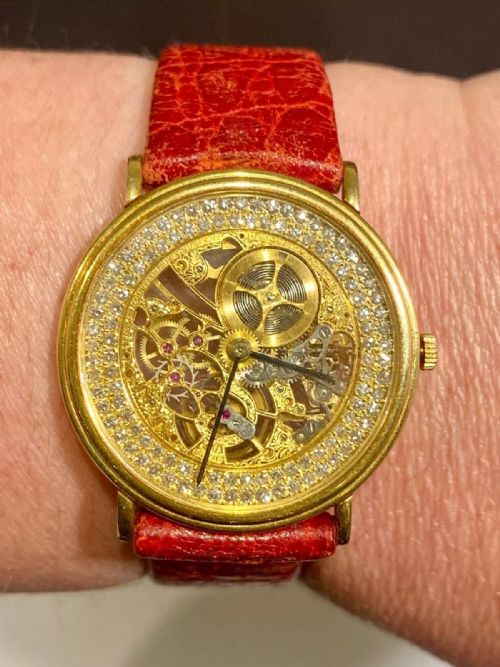
Dials incorporate glass crystals, enamel work, and champlevé techniques, while internal mechanical movements utilise intricate gear trains. Some advanced examples incorporate skeletonised designs that expose the working components beneath diamonds and precious metals.
Period representation includes the eighteenth century alongside Edwardian and mid-century luxury pocket and wrist watches.
What varies in quality
The standard of an engraved mechanical watch is defined by the crispness and depth of the hand carving on the metal case. Finer pieces display deeply cut, intricate motifs that retain their sharp edges across centuries of handling.
Internal movement sophistication also sets examples apart, moving from standard utility calibres to high-grade signed movements by premier makers. The presence of precious metals like eighteen-karat gold, specialised enamel dials, or diamond embellishments elevates the tier of the watch.
Elgin·Hamilton·Longines·Audemars Piguet·Benrus·New York Standard·Urania
The Engraved Mechanical Watch Glossary
- Full hunter
- A pocket watch featuring a spring-loaded metal cover that protects the dial from scratches. The exterior lid is frequently the canvas for elaborate engraving.
- Champlevé
- An enamelling technique where troughs are carved into the metal surface and filled with vitreous enamel before firing. It creates a durable, colourful decorative pattern on the dial or case.
- Skeletonised
- A movement design where excess metal from the bridges and mainplate is cut away to reveal the inner workings. It allows light to pass directly through the watch mechanism.
- Fob watch
- A small pocket watch designed to be worn attached to a short strap or chain called a fob. These were widely carried by women during the Victorian and Edwardian eras.
- Pair cased
- An older pocket watch construction style utilising two fitted outer and inner cases for added protection against dust and damage.
Engraved Mechanical Watch: Frequently Asked Questions
How do I wind an antique mechanical watch?
Most pocket watches and vintage wristwatches require you to rotate the crown clockwise until you feel resistance. Take care not to overwind the mainspring, as this can damage the internal components.
For key-wound eighteenth-century pieces, a small dedicated key is placed on a square arbor at the back or dial to tension the spring.
Can I wear an engraved mechanical watch daily?
Many of these timepieces remain robust enough for regular wear provided they have been recently serviced by a qualified watchmaker. However, older silver and gold cases are susceptible to surface wear if subjected to heavy knocks.
Consider reserving delicate nineteenth-century or diamond-set Edwardian pieces for special occasions while enjoying sturdier mid-century designs more frequently.
How do I tell an Edwardian watch from Art Deco?
Edwardian watches often feature flowing, organic garlands, floral motifs, and softer cushion or round case shapes influenced by the late Victorian aesthetic. They lean heavily on platinum, yellow gold, and intricate filigree work.
Art Deco watches shift sharply toward geometric symmetry, clean lines, and stepped rectangular cases in white gold or platinum, reflecting the architectural trends of the nineteen-twenties and nineteen-thirties.