




18k Gold Watch
When you handle an 18k gold watch, you hold a piece of horological history that combines precious metal with precise mechanical craft.
18k Gold Watch
An 18k gold watch encompasses both pocket watches and wristwatches originating from the nineteenth and twentieth centuries. The selection ranges from Victorian pocket pieces to mid-century wristwatches and jewelled cocktail designs.
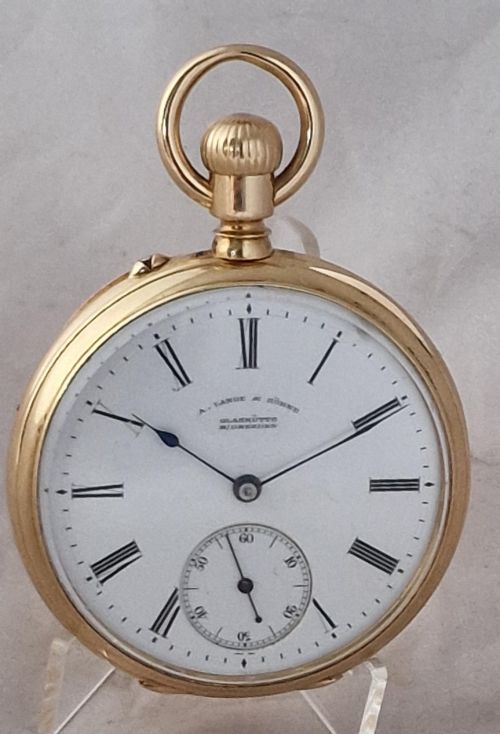
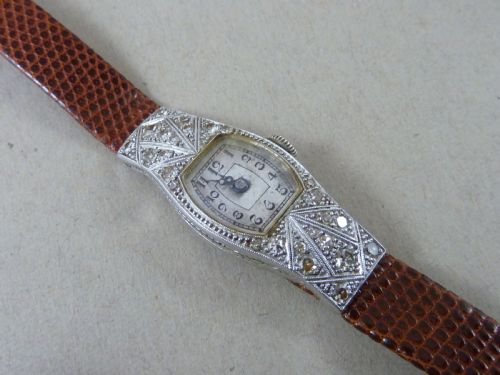
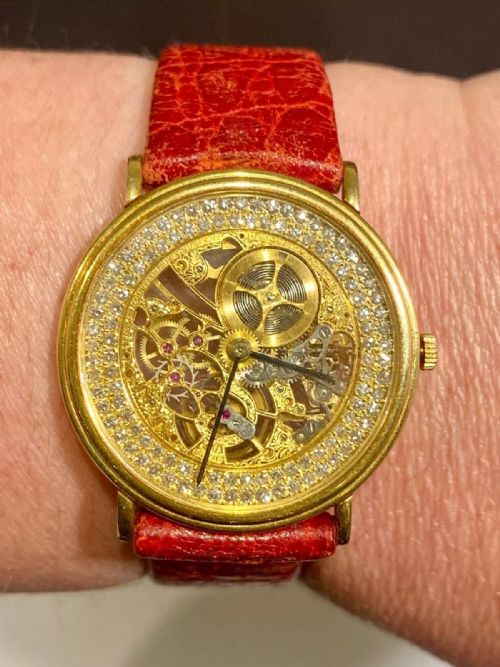
Pocket watch formats appear as open-faced designs, full hunters, and half hunters, often featuring key wind movements or fusee mechanisms. Wristwatches span early twentieth-century creations, Art Deco diamond pieces, and post-war automatic models.
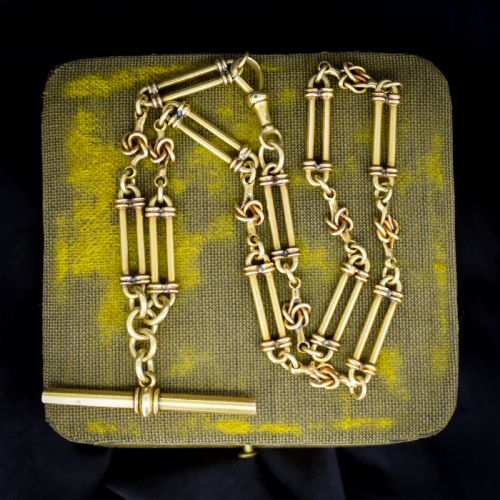
Associated items like watch chains, fob charms, and pendant necklaces in the same metal purity frequently accompany the timepieces. The material expression shifts from yellow gold to white and rose gold variations, sometimes accented with enamel or precious stones.
How they were made
The construction relies heavily upon 18-carat yellow, white, and rose gold for cases, bezels, and linked bracelets. Manufacturers paired these precious metal housings with durable internal components of steel and brass.
Many historical examples incorporate delicate glass crystals protecting enamel dials, alongside supplementary materials like leather straps and diamonds.
Complex mechanical assemblies utilised manual wind movements, fusee gear trains, and chronograph complications built by specialist horologists.
Listings feature 18k gold timepieces spanning the Victorian era through the 1950s, incorporating both pocket watches and wristwatches.
What varies in quality
The sophistication of the internal movement dictates much of the standing, separating standard time-keepers from complicated repeaters and chronographs. Master horologists and established workshops applied superior finishing to gear trains and escapements.
Case execution also differentiates examples, where intricately hand-engraved hunting cases or integrated mesh bracelets demonstrate greater artisanal labour than plain housing. The inclusion of precious stones such as diamonds or detailed enamel work elevates the decorative ambition of the piece.
Lange & Sohne·A. Golay-Leresche Geneve·Tiffany & Co·Jaeger-LeCoultre·Audemars Piguet·Longines·Omega·Patek Philippe
The 18k Gold Watch Glossary
- Full Hunter
- A pocket watch featuring a spring-loaded metal cover that protects the dial from damage. This protective lid typically requires pressing a crown button to release and view the time.
- Half Hunter
- A pocket watch style where the outer metal case includes a glass or open-centre window, allowing the wearer to check the hands without opening the cover. Roman numerals are often enamelled directly onto this outer ring.
- Fusee
- An early mechanical cone-shaped pulley device designed to maintain even tension on the mainspring as it unwinds. This mechanism improved timekeeping accuracy across the power reserve.
- Cocktail Watch
- A small ladies dress watch heavily embellished with diamonds or precious stones, popular during the mid-twentieth century. These items functioned as much as high-status jewellery as they did time-keepers.
- Repeater
- A complicated mechanical watch that chimes the hours, quarters, or minutes on demand via internal gongs. This intricate feature required exceptional skill from the watchmaker to assemble.
18k Gold Watch: Frequently Asked Questions
What is the difference between an open face and a hunter watch?
An open face watch displays the glass crystal and dial directly without any protective metal cover in front. This format allows immediate reading of the time at a glance.
Hunter watches enclose the dial behind a hinged metal lid that springs open via the crown. This design provided added protection for the glass during daily wear in earlier centuries.
Can I wear an antique gold watch every day?
Daily wear is possible with robust mid-century wristwatches featuring modern sealing and sturdy movements. These post-war pieces handle regular movement better than their nineteenth-century predecessors.
Victorian pocket watches and delicate cocktail pieces require greater care and protection from moisture and impact. Limiting their use to special occasions preserves the intricate internal components.
How can I tell the period of a gold watch?
Stylistic cues such as the geometric lines of Art Deco design or Victorian hand-engraving provide initial chronological markers. Case shapes, dial typography, and movement signatures also point towards specific decades.
Internal hallmarks stamped into the 18k gold case offer official stamps regarding assay offices and production years. Examining these tiny marks helps narrow down the exact era of manufacture.