



Engraved Glass Set
An engraved glass set brings historic hand-finished drinking vessels and tableware into modern dining.
Engraved Glass Set
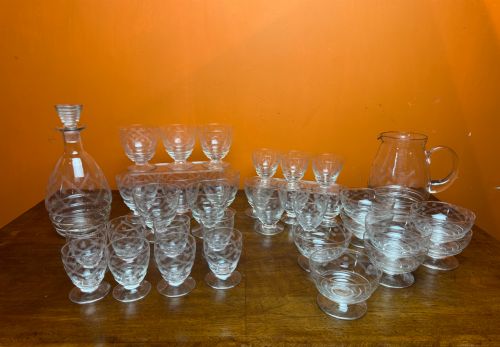
An engraved glass set comprises matched collections of vessels designed for wine, champagne, spirits, or water, often created for formal dining and entertaining. When you examine an engraved glass set on this page, you encounter groupings that range from compact dram glasses and dessert wine vessels to extensive suites of drinking glasses with decorative motifs. These groupings span multiple decades and stylistic movements, reflecting the changing social rituals of the table.
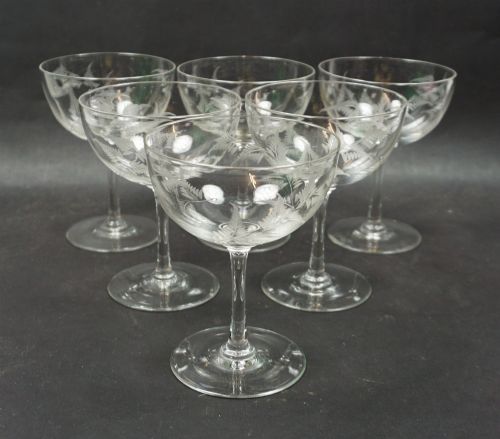
The material origins of these sets reach across the nineteenth and twentieth centuries, taking in Victorian, Edwardian, Art Nouveau, and Art Deco periods. You will find wares produced by notable makers such as Stevens & Williams, Baccarat, and Webb Corbett, alongside uncredited English and continental work. Forms vary from wine glasses and champagne coupes to rinser bowls, finger bowls, decanters, and complete drinking services.
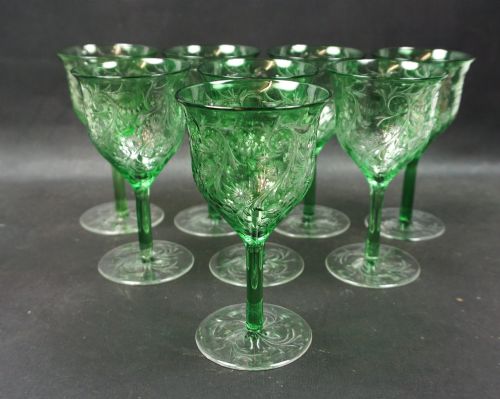
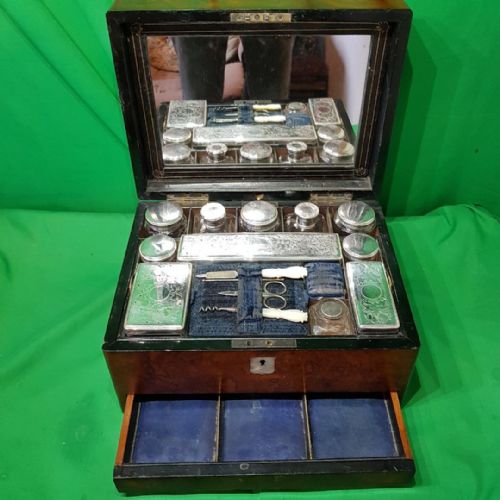
Sets frequently incorporate complementary materials, pairing clear, coloured, lead crystal, or cut glass with sterling silver mounts, trays, or stoppers. Whether you require a modest pairing of dram glasses or a large suite of French Art Deco drinking vessels, these collections preserve historic glassmaking techniques for contemporary use.
How they were made
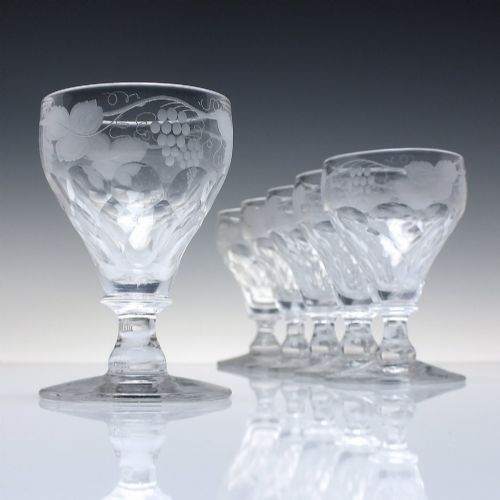
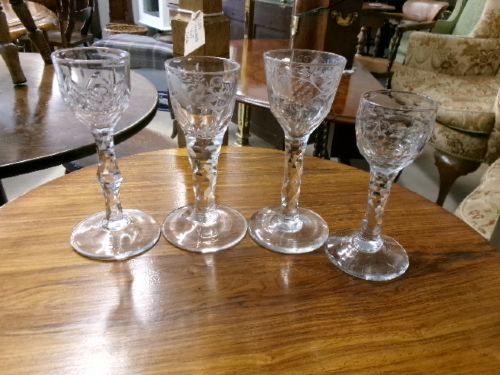
Glassmakers produced these vessels using traditional blowing and moulding techniques, often employing lead crystal or clear and coloured glass to achieve brilliance and weight. Artisans shaped the molten metal by hand or used optical blowing methods, then finished foot rims and stems to create stable, balanced forms like lemon squeezer bases and faceted stems.
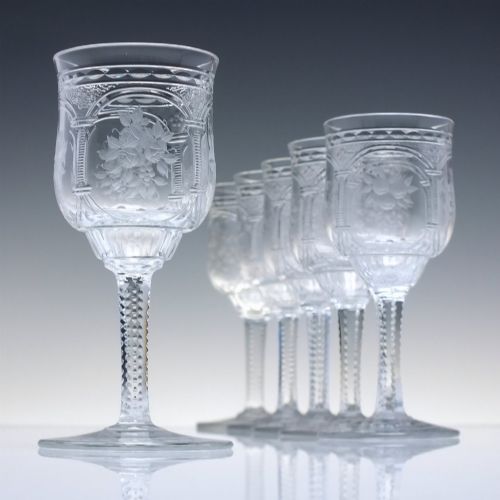
Decoration relied on skilled hand-engraving, intaglio cutting, and etching techniques to apply patterns directly to the glass surface. Craftsmen cut intricate floral motifs, geometric Greek key designs, or custom lettering into the material using rotating wheels, producing varied textures and frosted depths that catch the light.
Engraved Glass Set Retail Price Guide 2026
Typical asking prices for engraved glass set among the pieces listed under this phrase on Sellingantiques today, from the lower quarter to the upper quarter. They describe what is for sale here now, not the wider market.
Listings feature glass sets spanning from the Victorian period through to Art Deco, incorporating materials like lead crystal, cut glass, and sterling silver.
What varies in quality
The standard of an engraved glass set is determined by the clarity and weight of the crystal, alongside the precision of the wheel-cut or intaglio decoration. Superior sets display crisp, deeply carved motifs with clean lines and balanced proportions across every piece in the suite.
Maker attribution and material consistency further separate exceptional sets from standard production wares. Matching suites featuring signed work from notable glasshouses or incorporating high-grade sterling silver mounts demonstrate superior craftsmanship and retained completeness over time.
Stevens & Williams·Baccarat·Webb Corbett·James Powell·William Neale & Son
The Engraved Glass Set Glossary
- Intaglio
- A technique where the design is carved into the surface of the glass rather than raised above it. This method produces deep, rounded recesses that create a frosted, three-dimensional effect when viewed from the front.
- Lead crystal
- Glass containing a high proportion of lead oxide, which increases weight, refractive index, and clarity. It allows artisans to cut finer, sharper details into the surface.
- Lemon squeezer foot
- A square, stepped glass base shaped to resemble a traditional wooden lemon squeezer. This form is characteristic of drinking glasses produced around the turn of the nineteenth century.
- Champagne coupe
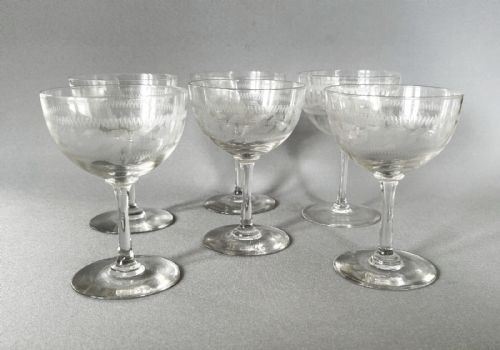
- A shallow, broad-bowled stemmed glass designed for sparkling wine. The wide bowl encourages the release of bubbles and aromas in older styles of entertaining.
- Rinser
- A specialised bowl used at the dining table to wash wine glasses between courses. They often feature two spouts on the rim to rest the bowl of the glass.
Engraved Glass Set: Frequently Asked Questions
How do I care for antique glass?
Wash antique glass pieces by hand in warm water using a mild detergent, avoiding sudden temperature changes that can crack the material. Dry them immediately with a soft lint-free cloth to maintain their clarity.
Store stemmed glasses upright on stable shelves rather than resting them on their rims. Take care when handling pieces with sterling silver mounts to protect both the metal and the glass.
Were these sets used daily?
Many of these glass suites were created for formal dining, festive banquets, and social entertaining rather than casual everyday meals. Wealthy households kept specific sets for wine, champagne, cordials, and water to match each course of a Victorian or Edwardian dinner.
Over time, surviving sets passed down through families, preserving the distinct drinking customs of periods such as the Edwardian era and the Art Deco years.
How can I date an engraved glass set?
Dating relies on examining the manufacturing technique, the form of the stem or foot, and the style of the engraved decoration. For instance, square lemon squeezer feet typically point to the early nineteenth century, while geometric motifs often indicate Edwardian or Art Deco design.
Associated silver components, such as mustard pots or trays with hallmarked dates, can also help narrow down the production period of fitted sets.
Can I mix pieces in a set?
Mixing pieces from different periods alters the visual harmony of a table setting, though collectors sometimes assemble eclectic groupings of similar tones or cuts. For formal dining, matching suites provide a uniform appearance across all guests.
When buying, check whether the listing describes a unified suite from a single maker or a matched group assembled later.