



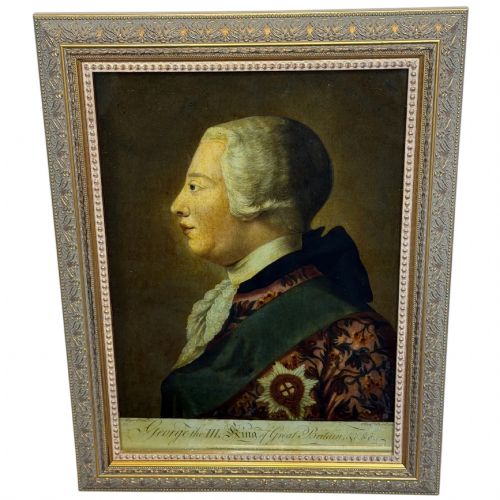
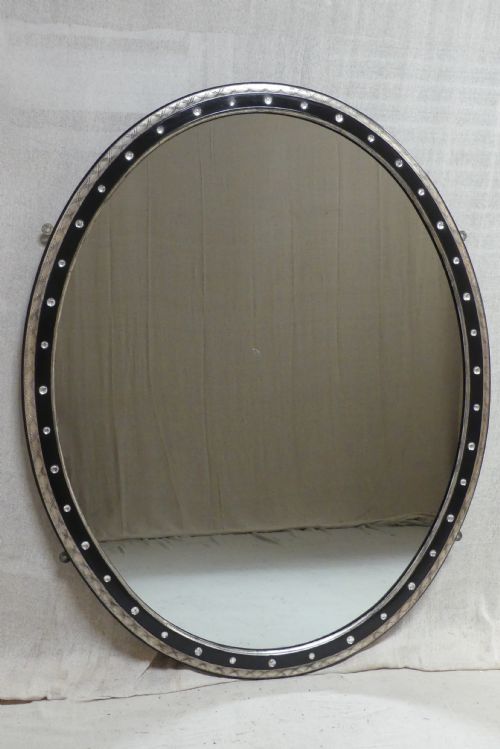


Engraved Glass Frame
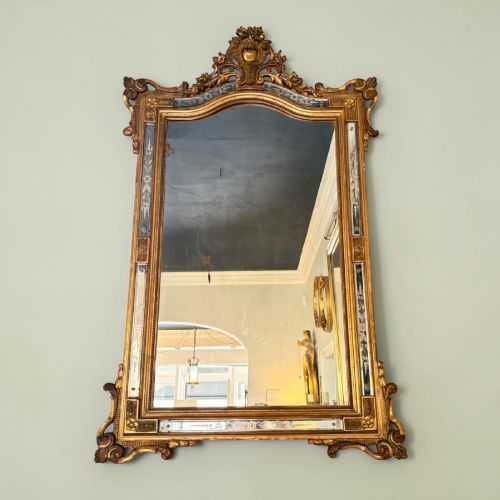
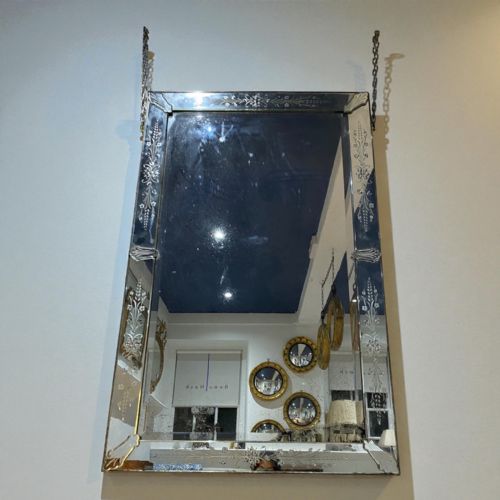
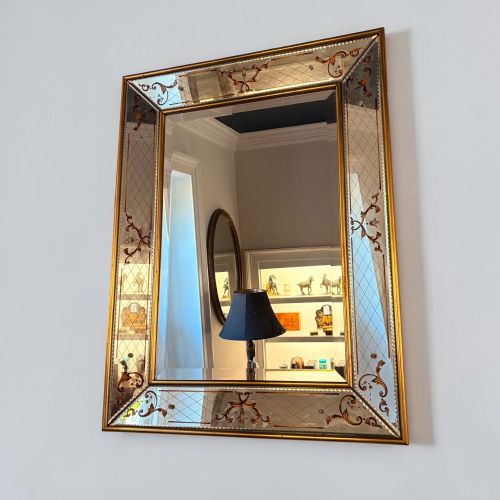
An engraved glass frame brings brilliant light and delicate line to a room, offering a distinct mirror or picture mount.
Engraved Glass Frame
When you search for an engraved glass frame, you are looking at mirrors, wall art, prints, and lockets that utilise glass plates bearing surface decoration. The pieces span periods from the eighteenth century through the Georgian, Regency, and Victorian eras into the nineteen-twenties and nineteen-thirties.
The versions you are most likely to meet on this page include Venetian and French wall mirrors with etched or engraved plates, alongside reverse glass paintings and framed prints from earlier centuries. These items combine structural surrounds of wood, metal, or gesso with the reflective or transparent qualities of decorated glass.
Materials and construction
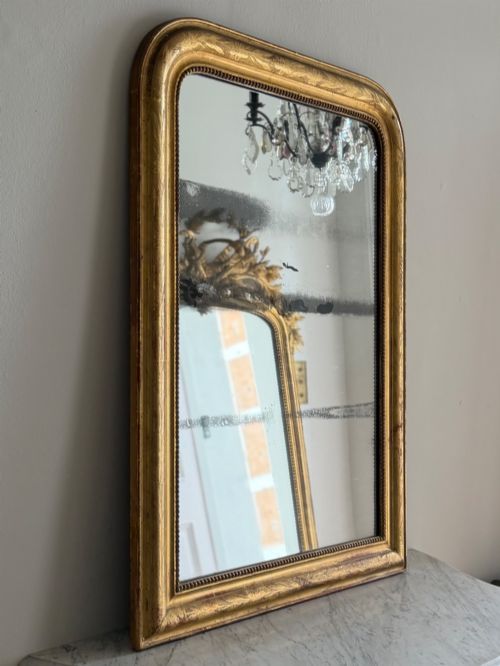
Makers constructed these pieces using glass, mirrored glass, and wood, frequently adding gold leaf, giltwood, and gesso for decorative enrichment. Metal and paper also appear in the assembly of frames, lockets, and prints.
Craftspeople applied techniques such as etching, engraving, sandblasting, and reverse glass painting directly onto the glass plates. These decorative methods were paired with carved or parcel gilt wooden frames to support and display the artwork or mirror plate.
Engraved Glass Frame Retail Price Guide 2026
Typical asking prices for engraved glass frame among the pieces listed under this phrase on Sellingantiques today, from the lower quarter to the upper quarter. They describe what is for sale here now, not the wider market.
Materials documented across the inventory include glass, wood, paper, gold leaf, giltwood, mirrored glass, gesso, and metal.
Distinguishing quality
The distinction between ordinary and superior pieces lies in the crispness and depth of the glass engraving, alongside the execution of the surrounding woodwork and gilding. Hand-carved giltwood and finely etched pictorial details separate finer examples from simpler production.
The condition and character of the glass plate, whether featuring original mercury silvering, foxing, or intricate reverse painting, dictate the overall integrity of the piece. Superior items retain their original components and display harmonious integration between the frame and the decorated glass.
Fletcher·Sebastiaan Vrancx·Richard Purcell·Robert Sayer·Henry Corbould
The Engraved Glass Frame Glossary
- Eglomise
- A technique where cold painting and gilding are applied to the rear face of glass to produce a mirror-like or decorative finish. This method creates a rich, reflective depth often seen in Venetian style pieces.
- Mezzotint
- A printmaking process of the intaglio family where the plate is roughened to achieve rich tonal gradations. These prints appear frequently in eighteenth-century and Georgian framed works.
- Foxing
- Age-related brown spots and speckles that develop on antique mirror plates as the backing degrades. Collectors often value this natural patination as an indicator of genuine period age.
- Giltwood
- Timber, typically gesso-coated and carved, that has been covered with thin leaves of gold. It provides a luminous border for engraved glass plates and mirrors.
- Reverse glass painting
- An artwork created by painting or drawing on the back of a piece of glass and viewing it from the front. This technique protects the pigment and produces a glossy surface.
Engraved Glass Frame: Frequently Asked Questions
What is an engraved glass frame?
An engraved glass frame is a decorative border or housing that incorporates etched, sandblasted, or engraved glass elements, frequently surrounding a mirror plate or a work of art. These items combine transparent or mirrored glass with structural materials like wood, metal, or gesso.
They encompass a variety of forms, from large wall mirrors to small lockets and reverse glass paintings. The genre spans multiple centuries, reflecting the changing aesthetic preferences of Georgian, Victorian, and early twentieth-century makers.
How do I date an antique glass mirror?
Dating these pieces involves examining the construction of the wooden frame, the bevel and thickness of the glass, and the characteristics of the silvering or backing. Eighteenth and nineteenth-century examples often exhibit hand-beveled edges and natural foxing on the mercury glass.
Stylistic indicators such as French Rococo, Regency, or Art Deco motifs also provide clear chronological markers. Comparing the mounting techniques and materials helps distinguish Georgian work from later Edwardian or twentieth-century productions.
How should I hang a heavy glass frame?
Hanging a heavy wall mirror or large glass decoration requires secure wall fixings suited to the weight of the timber and glass plate. Using professional picture hooks rated for the specific load ensures the piece remains stable.
Positioning the item away from direct moisture and extreme temperature fluctuations protects both the wooden structure and the delicate glass surface. Ensuring the hanging wire or brackets are firmly attached to the frame prevents structural strain.
What is reverse glass painting?
Reverse glass painting is a technique where the artist applies pigments directly to the rear side of a glass panel. When viewed from the front, the image gains a distinct gloss and depth protected by the glass itself.
This method was popular in the Georgian era for producing portraits, landscapes, and mezzotints. The resulting panels were then mounted into custom frames for wall display.