







Engraved Glass Cordial Glass
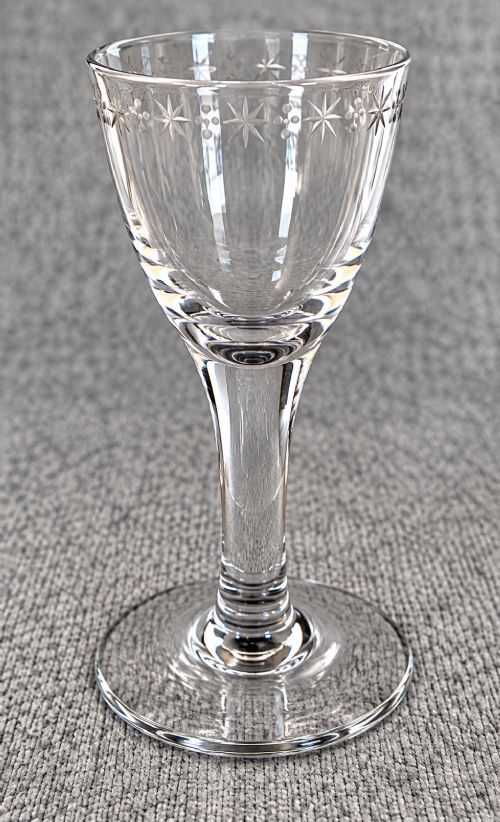
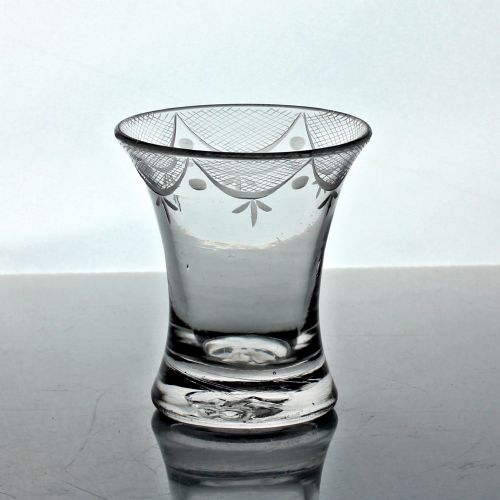
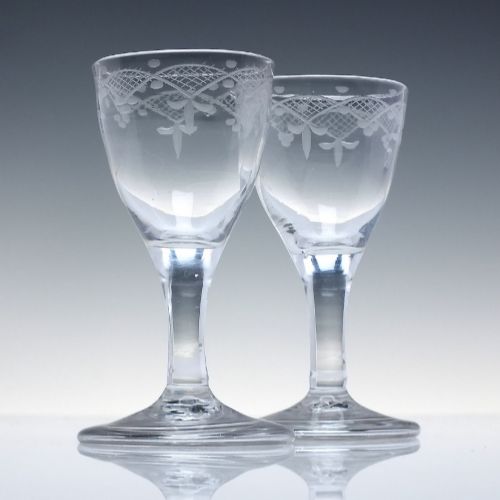
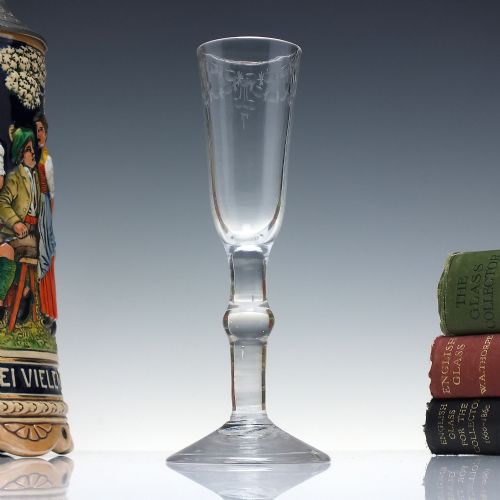
An engraved glass cordial glass is a small historic drinking vessel designed for potent spirits, prized for its delicate wheel-engraved decoration and tactile lead metal.
Engraved Glass Cordial Glass
An engraved glass cordial glass is a compact drinking vessel designed for strong spirits and liqueurs during the eighteenth century. You meet small dram glasses, firing glasses with heavy feet, slender ratafia glasses, and faceted stems across these collections.
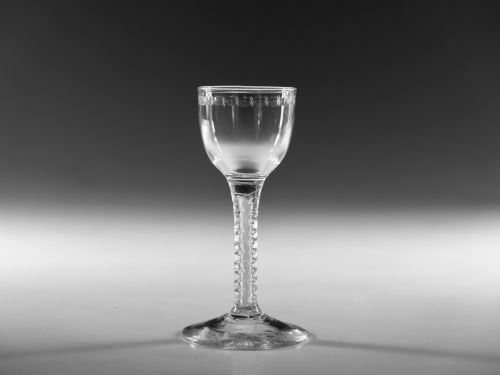
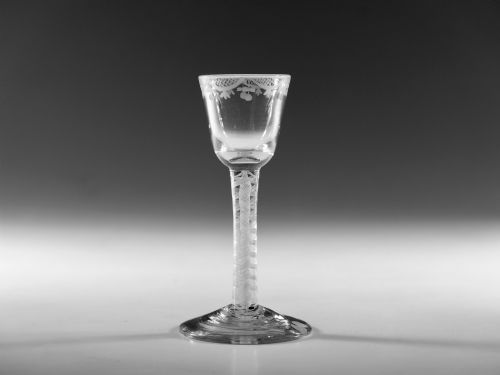
The pieces on this page span the Georgian era and the eighteenth century, showing English origins and intimate drinking scales. Forms range from plain stems and balusters to facet-cut bowls and opaque twists.
Makers cut swags, tails, and floral motifs directly into the clear metal using traditional wheel-engraving techniques. These vessels survive from a time when small glasses dictated strict quantities for potent liquors.
How they were made
Gatherers formed these vessels from molten lead glass, clear glass, and flint glass using hand-blown methods. Artisans shaped the bowls, stems, and folded feet manually, leaving subtle tool marks in the metal.
Workers decorated the cured vessels using rotating wheels to engrave or etch detailed motifs into the surface. Some pieces incorporate complex stem formations like balusters, balustroids, and opaque twists created during the initial hot-shop stage.
Engraved Glass Cordial Glass Retail Price Guide 2026
Typical asking prices for engraved glass cordial glass among the pieces listed under this phrase on Sellingantiques today, from the lower quarter to the upper quarter. They describe what is for sale here now, not the wider market.
Firing glasses owe their name to the loud bang they made when hammered onto wooden tables during rowdy Georgian toasts.
What varies in quality
Quality rests in the clarity of the metal and the dexterity of the wheel-engraving upon the bowl. Crisp, deep cuts demonstrate a confident hand, whereas shallow surface scratches show hurried execution.
Proportion and foot formation dictate desirability among surviving drinking glasses. Examples retaining original folded feet or balanced facet-cut stems display superior workshop standards.
The Engraved Glass Cordial Glass Glossary
- Dram glass
- A small drinking vessel used for consuming a single measure of neat spirits. These compact glasses date mainly to the eighteenth century.
- Firing glass
- A heavy-footed drinking glass designed to be thumped onto a table to create a loud report. The thick base absorbed the shock of communal toasts.
- Ratafia glass
- A tall, extremely narrow drinking vessel intended for sweet fruit liqueurs. The slender bowl kept the rich liquid contained in small sips.
- Opaque twist
- A decorative stem formation enclosing white or coloured enamel threads within clear glass. Glassmakers twisted these threads during the pulling of the stem.
- Baluster
- A heavy, swelling stem shape reminiscent of architectural pillars found on staircases. This robust form appears frequently on early eighteenth-century drinking vessels.
Engraved Glass Cordial Glass: Frequently Asked Questions
What were cordial glasses used for?
These vessels held concentrated spirits, cordials, and sweet liqueurs after dinner. Their small capacity suited the potency of eighteenth-century alcoholic drinks.
People used them during toasts, social gatherings, and private drams. The diminutive scale kept consumption moderate.
How do I date an 18th century glass?
Dating relies on combining stem form, metal composition, and foot construction. Plain stems, balusters, and facet cuts each dominated specific decades within the Georgian period.
Hand-blown irregularities and pontil marks on the underside also help confirm the era of manufacture. Consulting the specific engraving style narrows the window further.
What is lead glass?
Lead glass is a heavy, brilliant glass formulation containing lead oxide. This material allowed glassmakers to achieve greater clarity and heavier walls than ordinary soda glass.
It also provided a softer surface that responded exceptionally well to wheel engraving. Most fine English drinking vessels from the Georgian era utilised this formula.