




Engraved Copper Vessel
An engraved copper vessel brings centuries of master metalwork into a room, offering tactile warmth and intricate surface decoration.
Engraved Copper Vessel
When searching for an engraved copper vessel, collectors encounter an eclectic mix of objects ranging from Middle Eastern coffee pots and ritual ewers to European liturgical pyxes and domestic samovars. These items cross multiple centuries, stretching from pre-sixteenth century Persian bronzes to nineteenth-century Victorian pieces.
The domestic and ceremonial forms dominate the available selection, particularly decorative bowls, basins, and tea urns. Many pieces display distinct regional characteristics, reflecting traditions from Islamic centres, European workshops, and Indian artisan communities.
How they were made
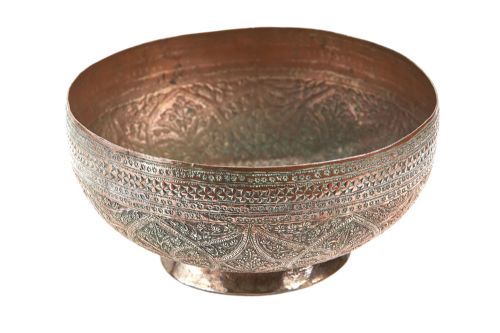
Metalsmiths shaped these pieces primarily from hammered copper, bronze, and brass, occasionally applying silver inlay or gilding to heighten contrast. Artisans utilised sharp tools to incise detailed geometric, calligraphic, and figurative motifs directly into the metal surface.
Some items incorporate mixed metals or secondary materials like bone alongside the primary copper body. Workshops in various regions employed distinct hammering and engraving techniques passed down through generations.
Engraved Copper Vessel Retail Price Guide 2026
Typical asking prices for engraved copper vessel among the pieces listed under this phrase on Sellingantiques today, from the lower quarter to the upper quarter. They describe what is for sale here now, not the wider market.
The listings span from the twelfth century up to the twentieth century, incorporating materials such as copper, brass, silver, bronze, and bone.
What varies in quality
The depth, precision, and complexity of the surface engraving separate standard utilitarian items from exceptional artistic works. Finer examples display crisp, confident lines that integrate harmoniously with the form of the vessel.
The choice of materials and the skill required to combine copper with silver inlay or gilding influence the stature of a piece. Well-preserved patination and structural integrity further distinguish superior specimens.
The Engraved Copper Vessel Glossary
- Cairoware
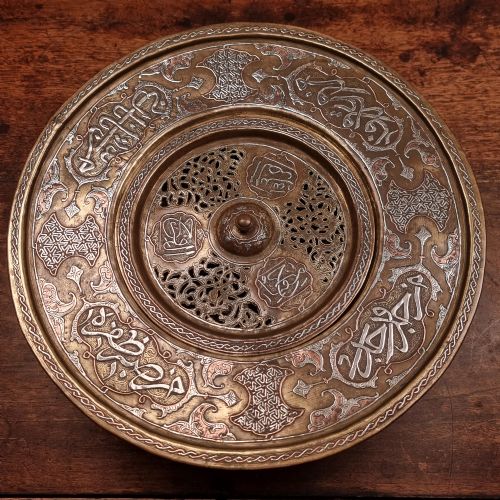
- Nineteenth-century metalware produced in Egypt, typically brass inlaid with silver and copper to emulate medieval Islamic work. This style gained immense popularity during the Victorian era.
- Ciborium
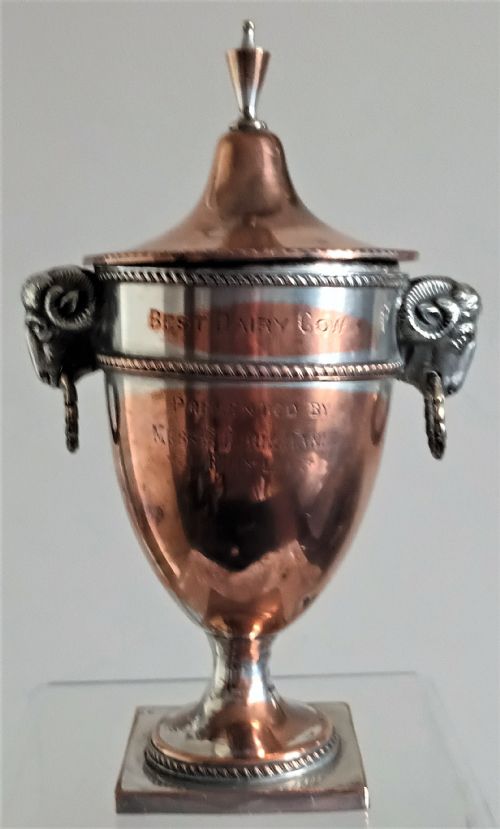
- A covered chalice-like vessel used in Christian liturgy to hold the Eucharist. These pieces are frequently fashioned from gilded copper with engraved detailing.
- Pyx
- A small round container used in Christian ritual to carry the reserved sacrament. Early examples often feature delicate engraving on copper.
- Samovar
- A heated metal container traditionally used to boil water for tea. Large copper variants served central roles in domestic settings.
- Ewer
- A pitcher with a large spout used for pouring water. These vessels often feature elaborate engraved decoration across the body.
Engraved Copper Vessel: Frequently Asked Questions
What is cairoware?
Cairoware describes nineteenth-century Middle Eastern metalware, usually brass or copper, decorated with intricate inlay work. These pieces were avidly collected by Victorian travellers.
The style reinterprets medieval Mamluk designs for a growing international market, combining traditional motifs with functional forms like bowls and basins.
How can I tell the age of a metal vessel?
Examine the tool marks, the composition of the metal, and the style of the engraving for clues to the period of manufacture. Different regions developed distinct decorative vocabularies over time.
Compare the wear patterns and construction methods against documented examples from specific centuries. Specialist reference books assist in dating regional variations.
Where were these vessels made?
These items originate from diverse global traditions, including Persia, India, the Ottoman Empire, and Western Europe. Each region utilised local metallurgical techniques and distinct aesthetic styles.
Geographic origins often dictate the primary metal used, whether copper, bronze, or brass, as well as the nature of the surface ornamentation.