

English Wooden Treen
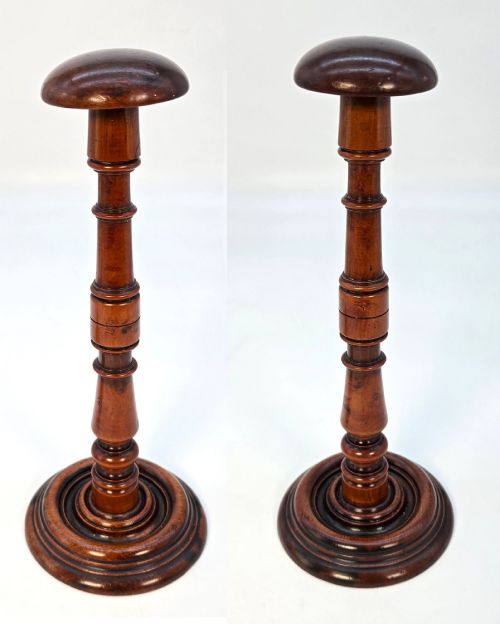
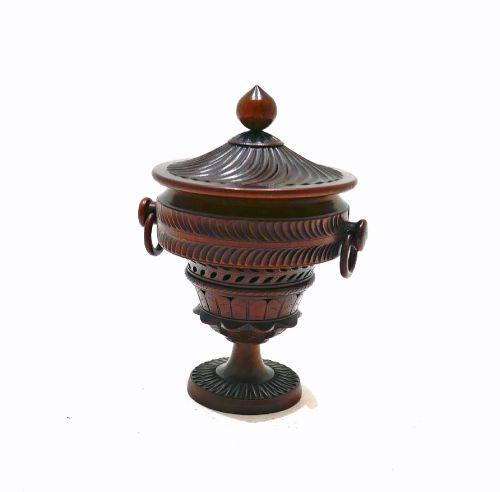
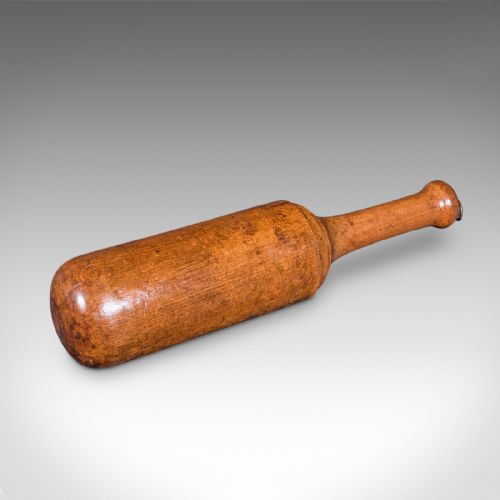
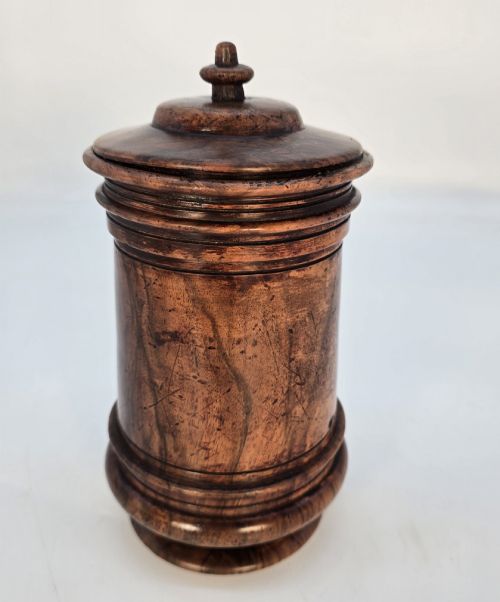
English wooden treen spans domestic utensils and small turned objects fashioned from dense native timbers over four centuries.
English Wooden Treen
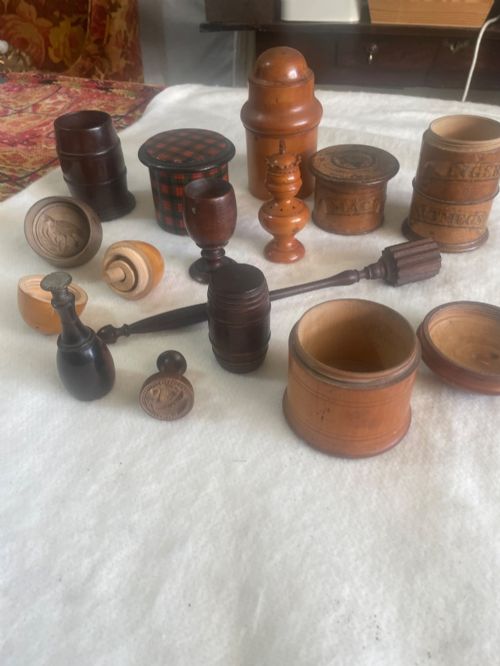
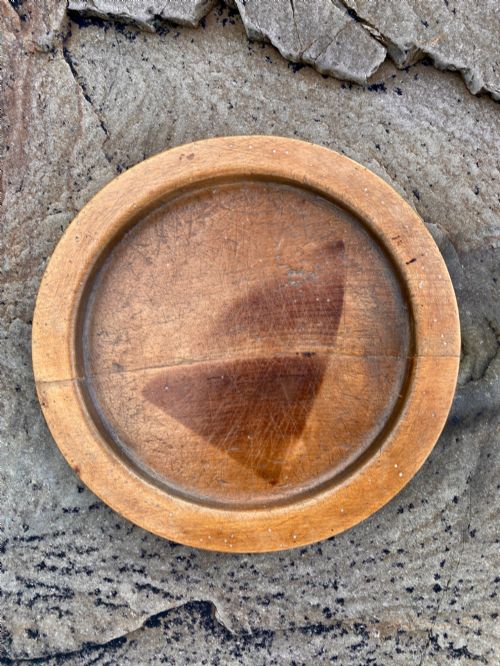
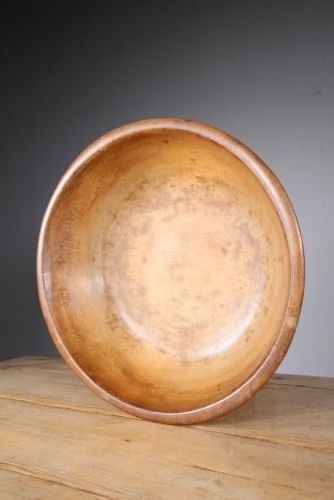
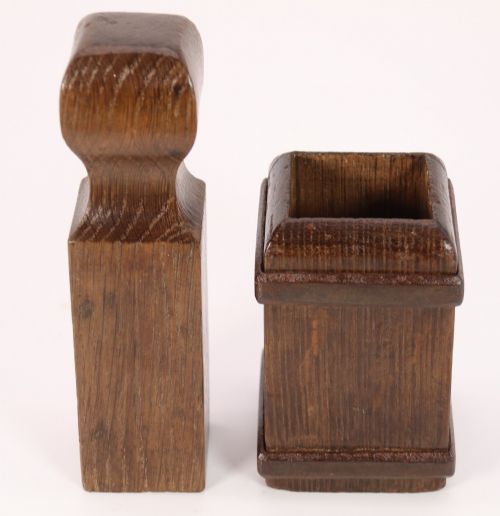
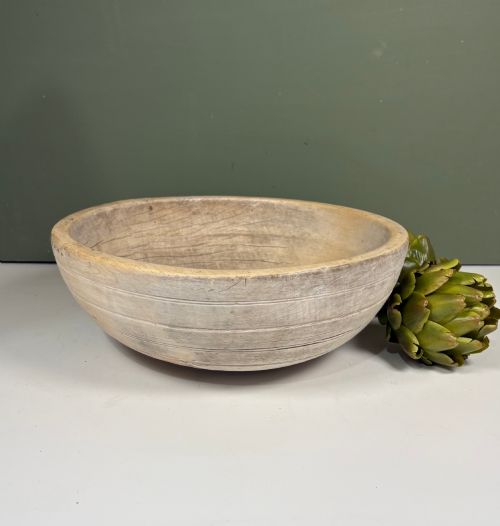
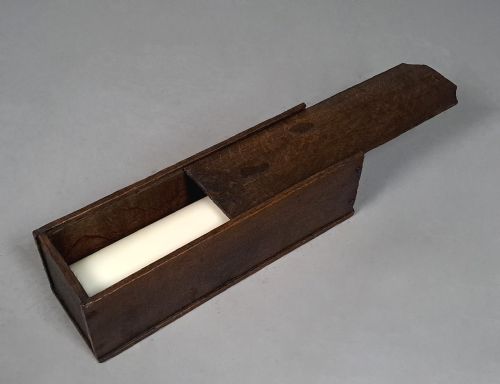
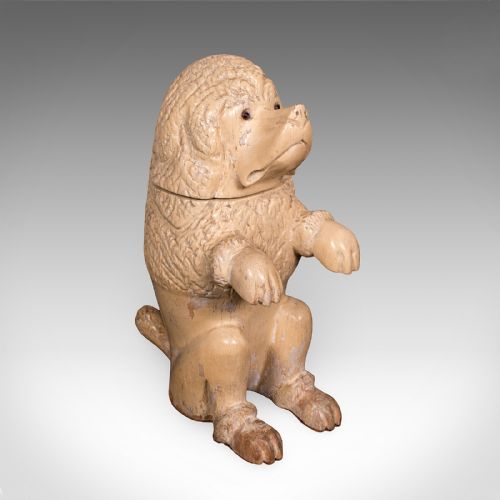
English wooden treen encompasses domestic and personal items created from the seventeenth century through to the Edwardian period, ranging from utilitarian kitchenware to decorative novelties. Buyers encounter domestic vessels such as sycamore dairy bowls and oak candle boxes alongside personal items including fruitwood knitting sheaths and tobacco jars.
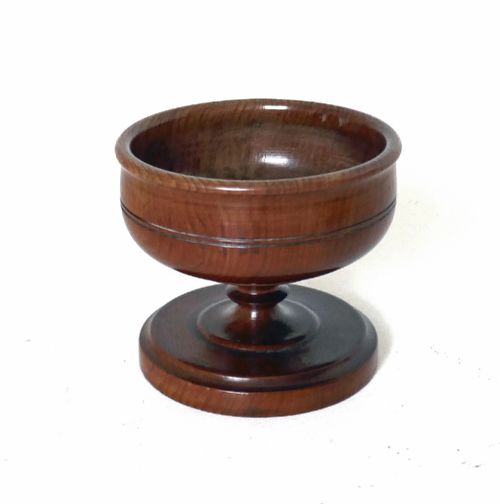
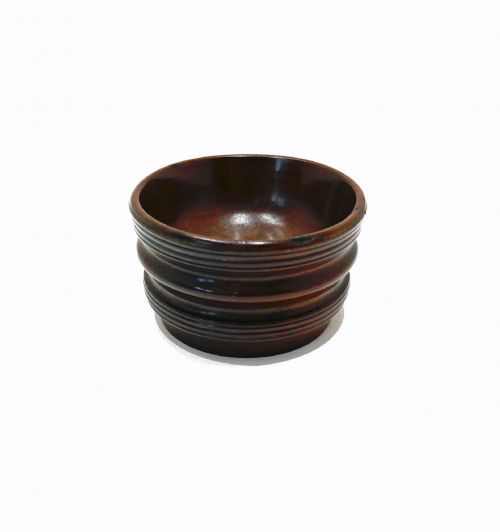
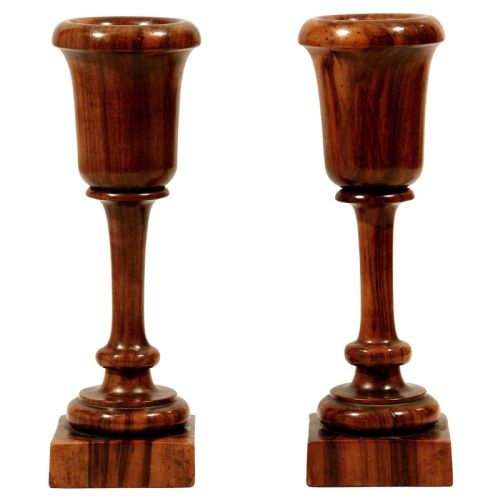
The selection leans heavily toward turned and carved utilitarian objects produced in domestic workshops and rural communities. Items like turned salts in yew wood, multi-tiered spice towers, and spill vases illustrate the transition of wood from basic hearthside material to decorative household object.
Pieces frequently reflect the specific domestic or agricultural tasks for which they were shaped, such as butter prints bearing acorn and wheat motifs or steak tenderisers in beech. These functional origins give each surviving item a direct connection to historical daily life.
Materials and Technique
Turners utilised dense native timbers such as fruitwood, sycamore, yew, and laburnum, selecting each wood for its grain pattern and resistance to splitting. Lathe-turned vessels rely on precise cutting to achieve thin walls, particularly evident in spice towers, lidded cups, and stem vases.
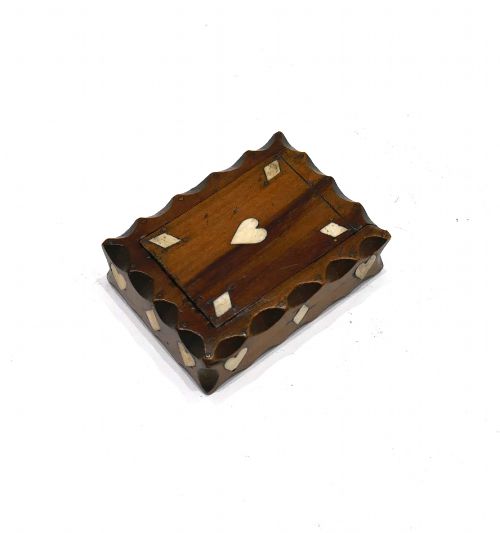
Carving and embellishment involved punchwork, incised line decoration, and bone inlay, transforming utilitarian objects like snuff boxes and knitting sheaths into decorative pieces. Iron and brass mounts occasionally reinforced functional items such as apothecary crushers and spice grinders.
English Wooden Treen Retail Price Guide 2026
Typical asking prices for english wooden treen among the pieces listed under this phrase on Sellingantiques today, from the lower quarter to the upper quarter. They describe what is for sale here now, not the wider market.
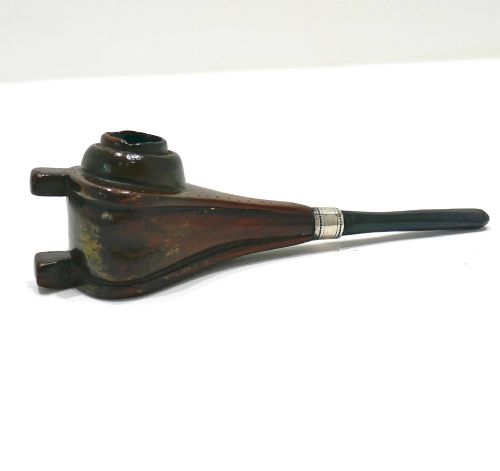
A gentleman's fruitwood pipe carved precisely in the likeness of household bellows.
Craftsmanship and Age
Quality rests upon the crispness of the turning, the complexity of the form, and the retention of original surface texture. Multi-tiered items and intricate figural carvings demand higher levels of joinery and lathe skill than simple domestic bowls.
Surface appearance is shaped by decades of handling, where natural oils develop a warm patina over the exposed grain. Intact details such as original bone inlay, tight-fitting lids, and uncompromised turned bases distinguish superior examples.
The English Wooden Treen Glossary
- Treen
- Small handmade wooden household objects and utensils. The term derives from old English words meaning tree or wood.
- Fruitwood
- Dense timber gathered from fruit-bearing trees such as apple or pear. It provides a smooth surface favoured by turners for detailed work.
- Dairy Bowl
- A large open vessel utilised in milk processing to separate cream. Sycamore was preferred for its clean properties and resistance to tainting.
- Spice Tower
- A stacked turned container used for storing various culinary powders. These multi-section vessels screw or fit tightly together.
- Knitting Sheath
- A small carved device tucked into a belt to hold a knitting needle steady. They often display geometric punchwork and chip carving.
English Wooden Treen: Frequently Asked Questions
How were wooden treen items used daily?
These pieces served practical functions in kitchens, dairies, and parlours across households. Items ranged from dairy bowls for milk separation to spice grinders and salt cellars for food preparation.
Personal accessories like tobacco jars, snuff boxes, and knitting sheaths were carried or kept close at hand during everyday domestic labour and leisure.
What woods were commonly used?
Turners and makers relied on native hardwoods that offered stability and fine grain structures. Sycamore, fruitwood, yew, and oak appear frequently across domestic and decorative forms.
Less common timbers like laburnum and boxwood were selected for specific turned items requiring sharp detail or contrasting colouration.
How do I identify older treen pieces?
Dating relies on tool marks, timber selection, and the evolution of domestic forms from the seventeenth to the early twentieth century. Earlier items often display hand-turned irregularities and heavier construction methods.
Stylistic shifts, such as the distinct ornamentation of the Georgian period or Victorian folk art carvings, help place pieces within broader historical windows.
How should I care for wooden treen?
Pieces require stable environmental conditions away from direct heat sources and sudden humidity fluctuations to prevent wood movement. Gentle dusting maintains the surface without stripping accumulated oils.
Applying microcrystalline wax occasionally can help protect dry timbers while preserving the historical patina developed over centuries of handling.