


English Wooden Coffer
An english wooden coffer is a sturdy storage chest built for utility, offering centuries of domestic history and solid timber construction for modern interiors.
English Wooden Coffer
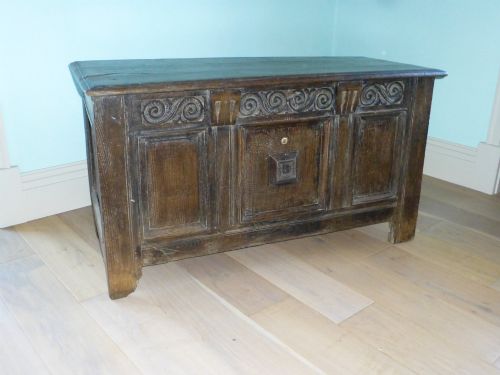
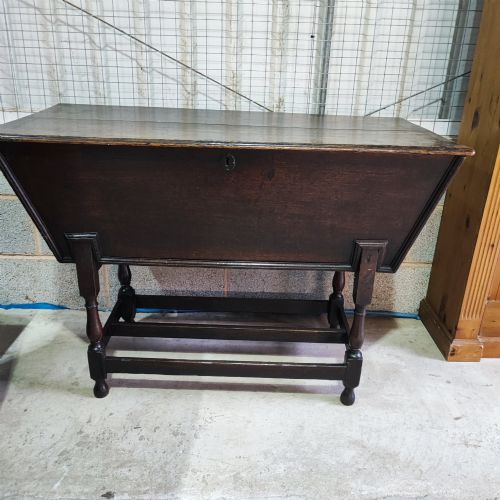
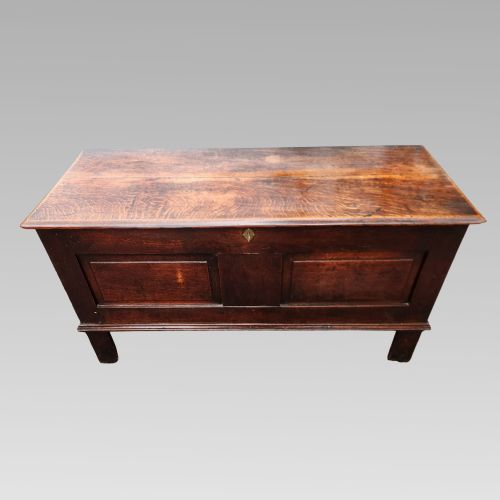
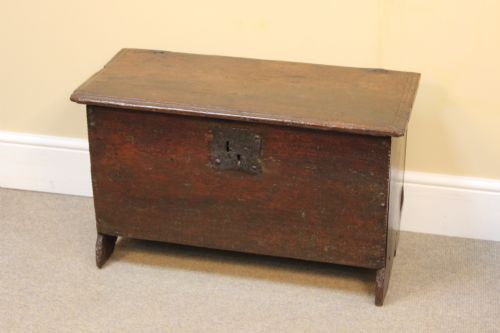
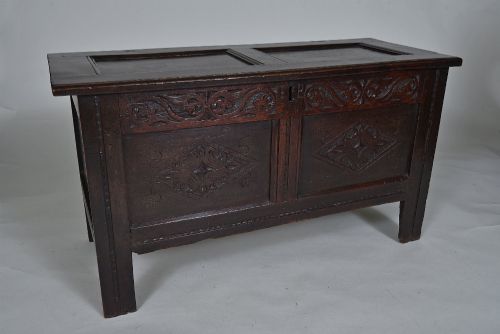
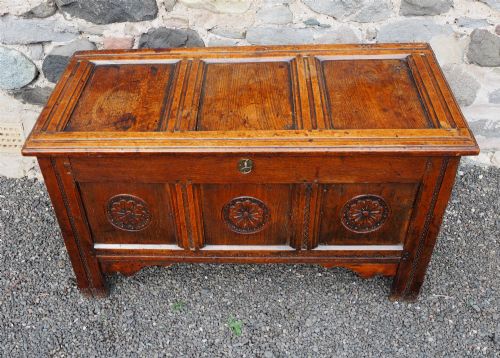
When searching for an english wooden coffer, buyers encounter robust storage furniture spanning several centuries of British craftsmanship. The pieces range from simple boarded boxes to elaborately carved domestic receptacles used for linen, documents and valuables.
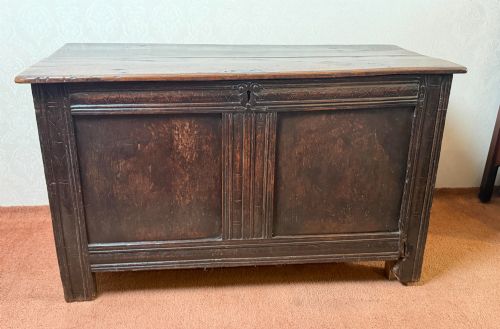
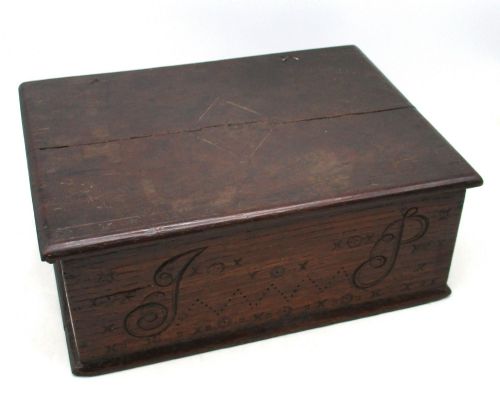
The most common examples on this page date from the seventeenth and eighteenth centuries, constructed primarily in solid oak. These utilitarian items served multiple household functions, acting simultaneously as storage containers and occasional seating benches within traditional rooms.
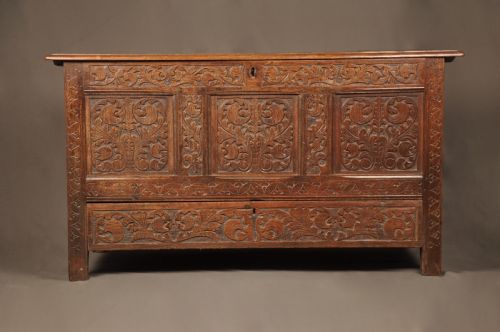
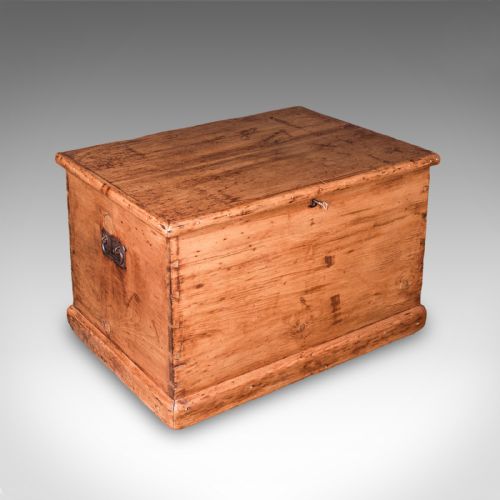
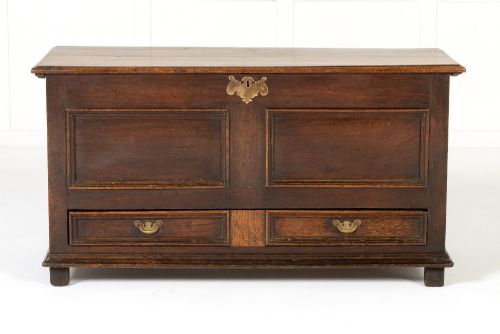
Variations include mule chests fitted with lower drawers, smaller bible boxes, and iron-bound shipping trunks from the Victorian era. Each form reflects the domestic storage needs of its specific period, maintaining functional integrity over hundreds of years of use.
How they were made
Makers utilised heavy timbers, predominantly oak alongside pine and mahogany, joined using traditional pegged mortise and tenon frames or simple boarded construction. Iron hinges, brackets and brass fittings reinforced the structural joints for heavy household or travel use.
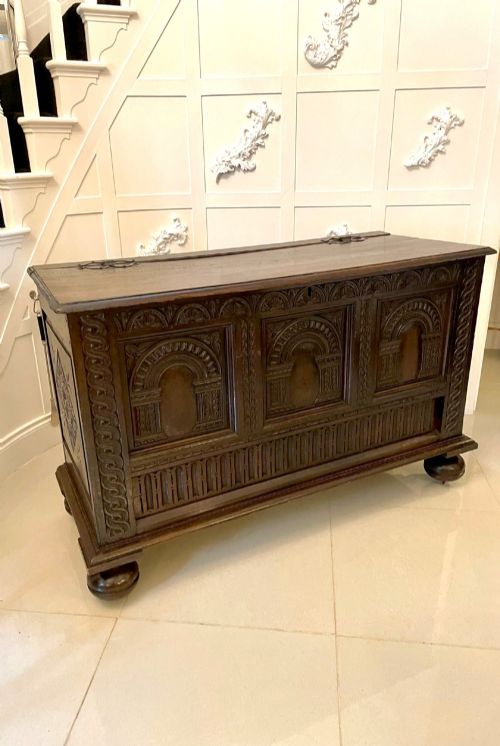
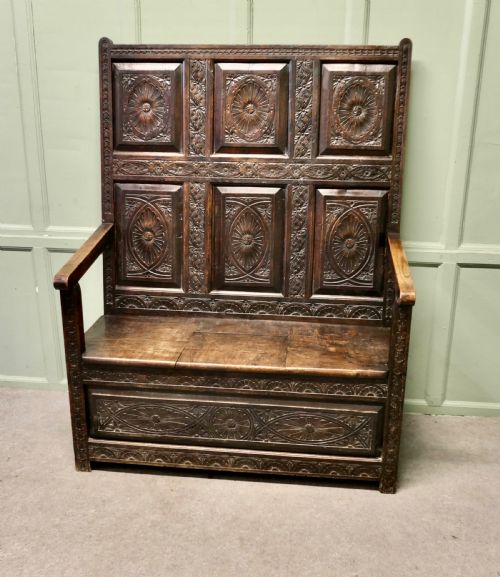
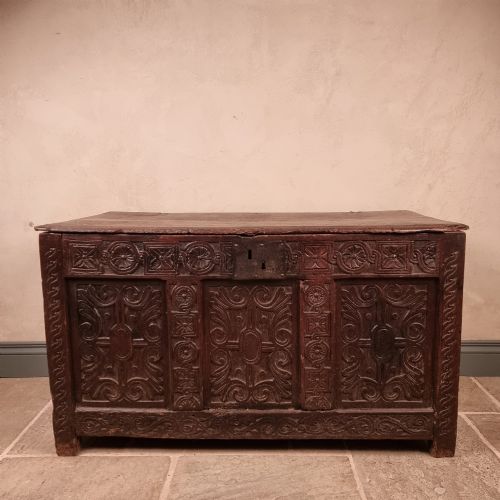
Surface decoration on earlier pieces relied on hand-carved panels, incorporating arcaded motifs, geometric patterns and linear stylings. Later examples from the Georgian and Victorian periods favoured smooth mahogany finishes or metal-bound reinforcements instead of carved woodwork.
English Wooden Coffer Retail Price Guide 2026
Typical asking prices for english wooden coffer among the pieces listed under this phrase on Sellingantiques today, from the lower quarter to the upper quarter. They describe what is for sale here now, not the wider market.
Current listings feature timber constructions spanning the sixteenth to the twentieth centuries, dominated by oak and pine examples alongside mahogany and walnut pieces.
What varies in quality
The degree of hand-carving and the sophistication of the joinery separate standard utility boxes from superior examples. Crisp relief work on seventeenth-century panels indicates superior workshop skill compared to plain or heavily worn surfaces.
Original timber patination and the survival of primary structural elements, such as boarded lids and iron hardware, determine the integrity of a piece. Retaining period fixings elevates the historical standing of a chest within its classification.
The English Wooden Coffer Glossary
- Coffer
- A large wooden chest traditionally used for storing valuables, textiles, or documents. It sits directly on the floor or on short stile feet.
- Mule chest
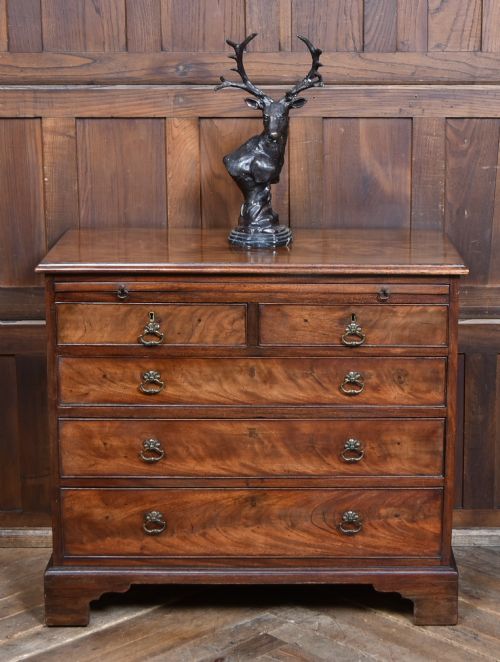
- An eighteenth-century storage chest that incorporates one or more drawers beneath the main lift-top compartment. This combined form bridges the standard coffer and the chest of drawers.
- Bible box
- A small tabletop or desk-box made to hold sacred texts and family records securely. These portable boxes often feature sloping lids and fitted interior compartments.
- Settle
- A wooden wooden bench featuring a high solid back and enclosed box seat beneath. It provided shelter from draughts in early domestic interiors.
English Wooden Coffer: Frequently Asked Questions
What was a coffer used for?
Historic households utilised these heavy chests to store valuable textiles, blankets, documents and silver safely away from damp floors. Their sturdy lids also allowed them to function as tables or window seats.
Over time, specialised forms emerged to handle specific items like church records, family bibles or travelling wardrobe contents.
How do I date an oak coffer?
Construction methods provide the clearest chronological clues, moving from sixteenth-century boarded planks to seventeenth-century joined frames with pegged mortise and tenon joints. Carving styles also reflect reigning periods, such as Jacobean arcading or Elizabethan geometric patterns.
Later eighteenth and nineteenth-century examples introduce mahogany veneers, pine carcases and dovetailed drawer construction.
Are these chests heavy to move?
Solid seventeenth-century oak pieces possess considerable weight due to the density of the timber and heavy frame construction. Pine blanket boxes and smaller document boxes offer much lighter alternatives for room placement.
Lifting requires care, particularly with older iron-bound trunks that incorporate thick metal straps and heavy corner brackets.
How do I clean an antique wooden chest?
Regular dusting with a dry lint-free cloth maintains the surface without disturbing the historic wax finish. Natural beeswax polish applied sparingly nourishes dry oak or mahogany over time.
Harsh chemical cleaners and modern synthetic sprays damage the historic patination accumulated across centuries of handling.