

English Wooden Cabinet
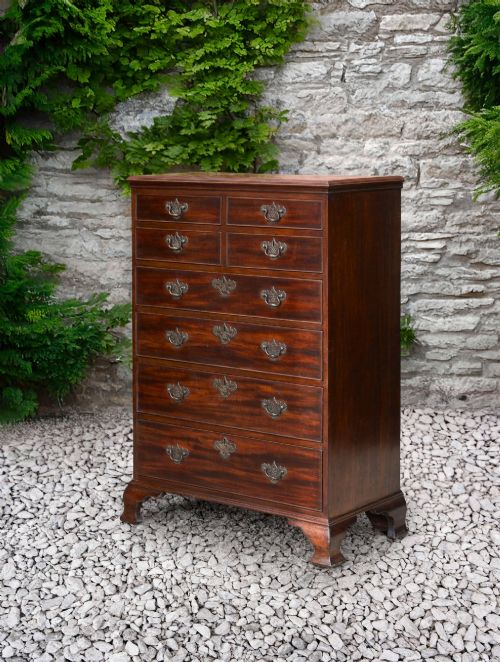
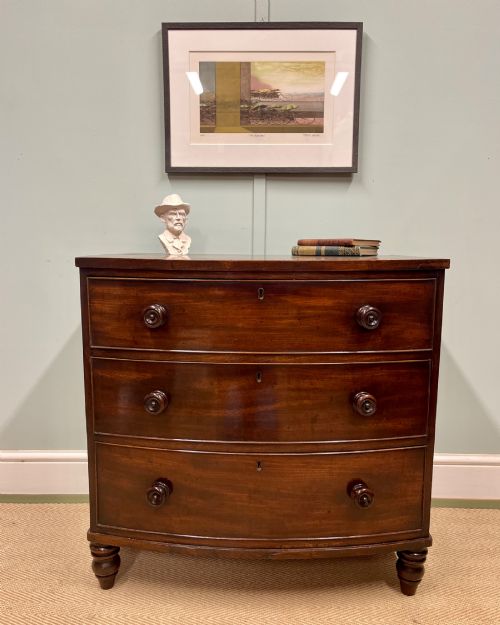
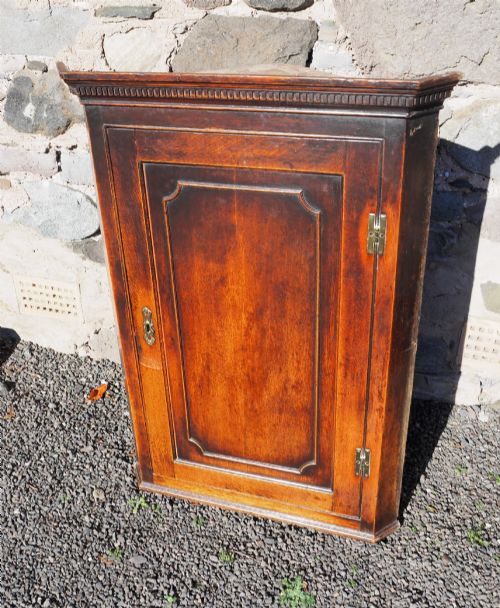
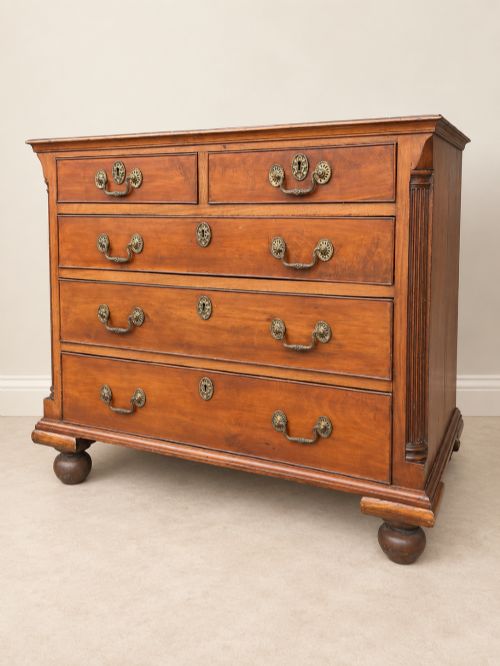
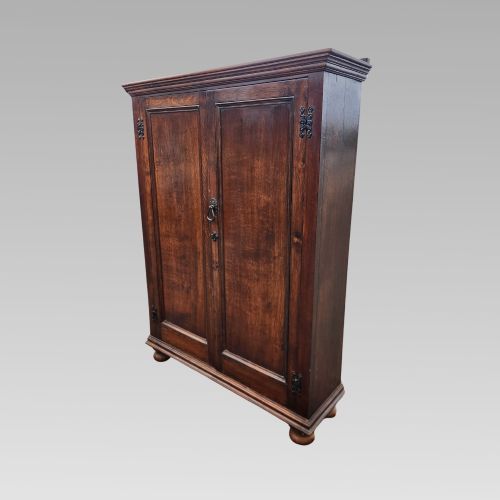
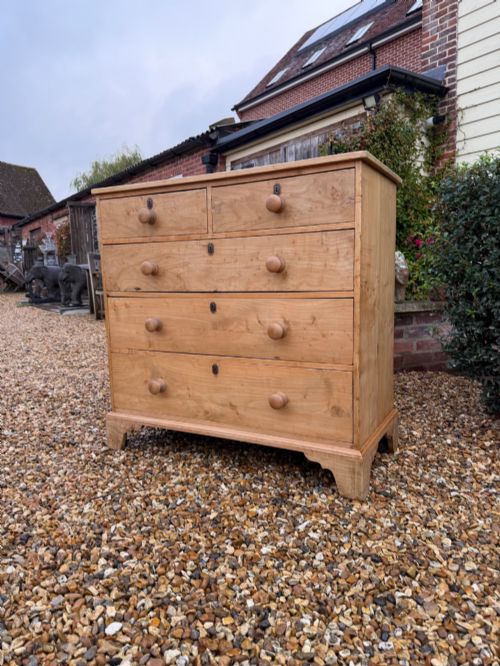
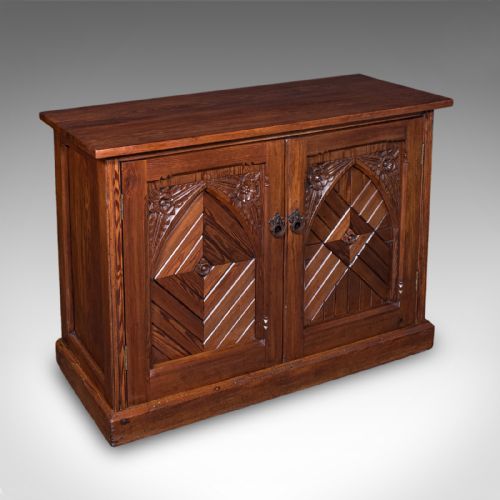
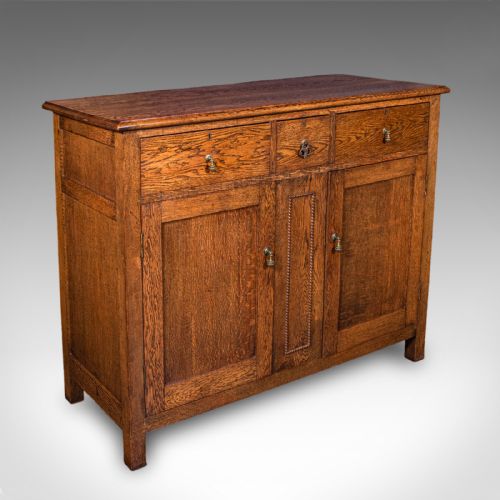
An english wooden cabinet brings substantial storage and timber warmth to a room, spanning periods from Queen Anne to Edwardian eras.
English Wooden Cabinet
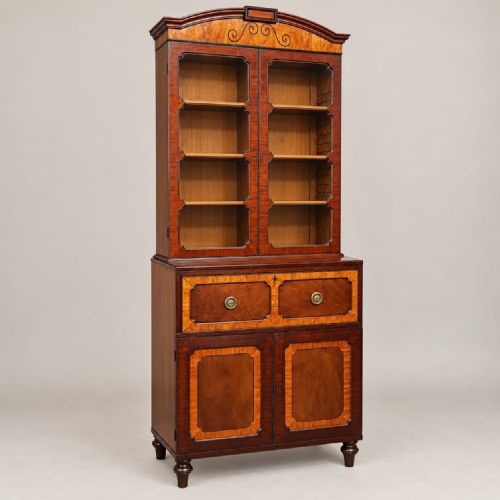
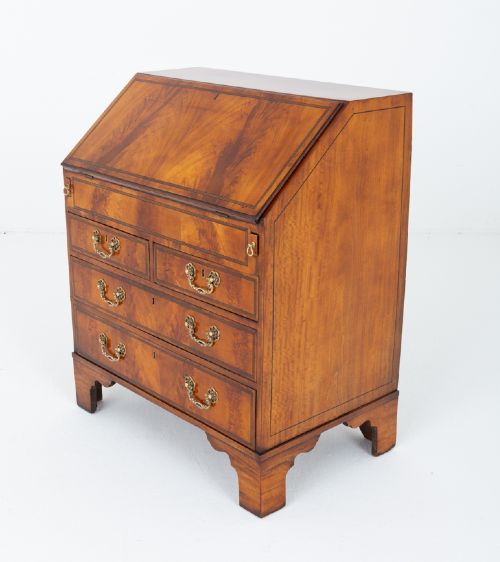
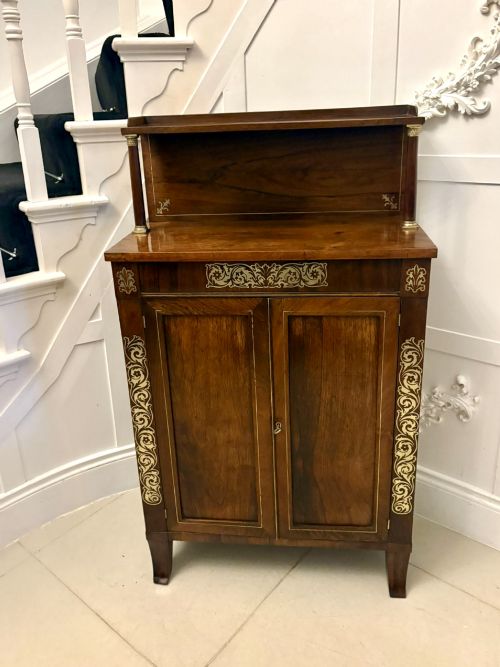
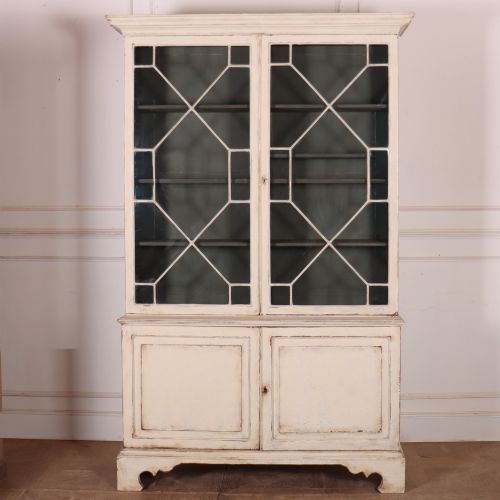
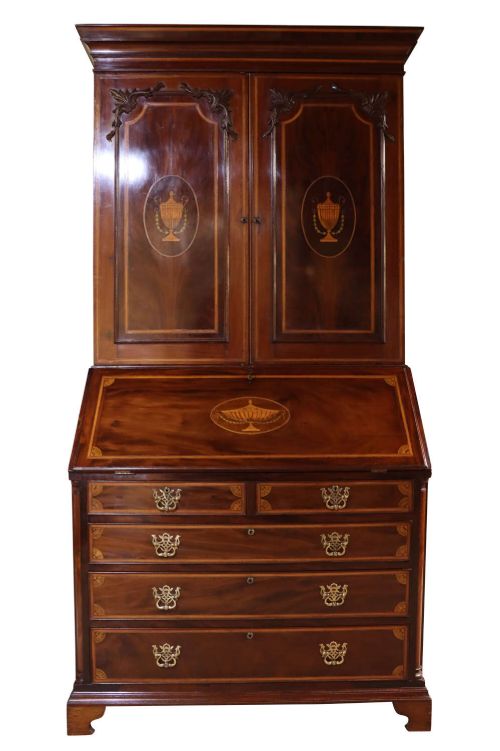
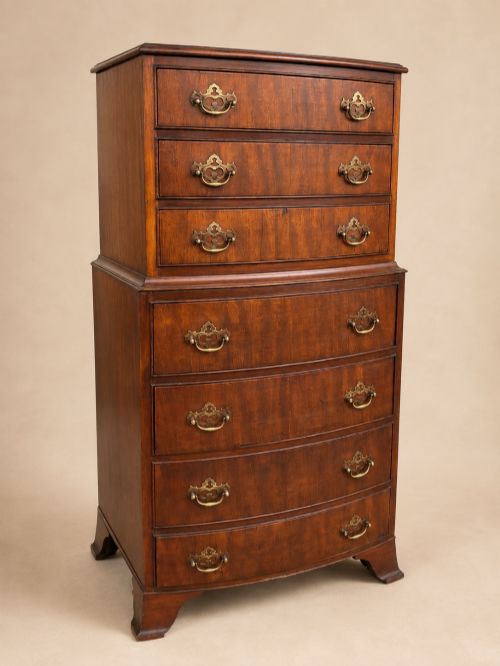
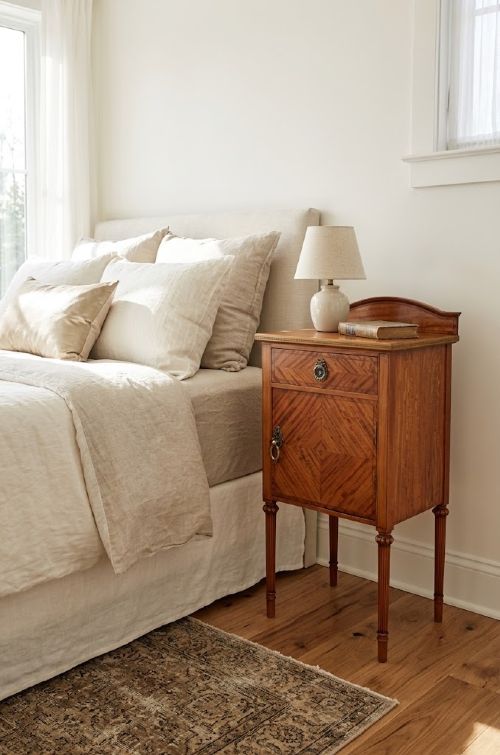
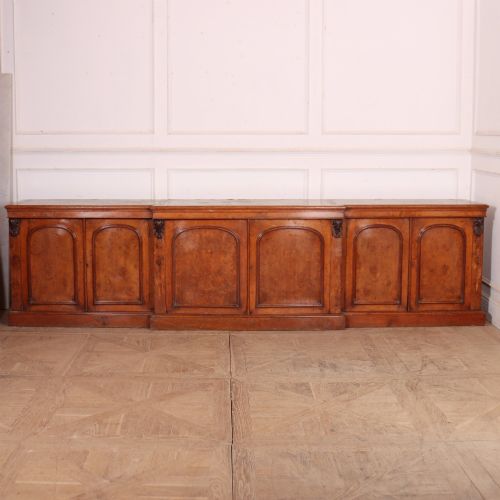
When searching for an english wooden cabinet, buyers encounter diverse forms ranging from bookcases and chiffoniers to bedside cupboards and dresser bases. These items originate across the eighteenth, nineteenth, and early twentieth centuries, reflecting changing domestic needs over generations.
The most common examples on this page are mahogany and oak pieces from the Victorian and Georgian periods. These practical storage items serve dining rooms, libraries, and bedrooms with equal utility.
Materials and Technique
Cabinetmakers utilised primary timbers like mahogany, oak, walnut, and pine, often embellished with satinwood veneers, burr walnut, and brass hardware. Glass doors appear on bookcases and display pieces, while ebonised finishes and painted surfaces offer distinct aesthetic variations.
Construction methods rely on traditional joinery suited to each timber's properties. Cabinets combine solid woods with finely figured veneers, supported by structural elements in secondary timbers.
English Wooden Cabinet Retail Price Guide 2026
Typical asking prices for english wooden cabinet among the pieces listed under this phrase on Sellingantiques today, from the lower quarter to the upper quarter. They describe what is for sale here now, not the wider market.
Materials represented include mahogany, oak, walnut, pine, satinwood, burr walnut, yew, and elm.
Craftsmanship and Proportion
Quality separates along lines of timber selection and the precision of assembly. Finer pieces display carefully chosen grain patterns, such as figured elm, burr walnut, or matched mahogany, alongside crisp moulding and balanced proportions.
Hardware choice and internal fittings indicate tier of manufacture. Stamped maker marks, original brass mounts, and thoughtful interior layouts distinguish workshop production from standard utility items.
Johnstone and Jeanes·Edward Barnsley·Gillows
The English Wooden Cabinet Glossary
- Chiffonier
- A low sideboard or cabinet, often equipped with shelves or a small superstructure, developed during the Regency and Victorian periods.
- Secretaire
- A cabinet or desk incorporating a pull-down writing flap that conceals small drawers and pigeonholes.
- Dresser base
- A low wooden storage unit featuring drawers and cupboards, historically used in kitchens and dining spaces.
- Bowfront
- A curved convex front typical of chests and cabinets dating from the Georgian and Regency eras.
- Crossbanded
- A decorative border technique where veneer strips run perpendicular to the grain of the central panel.
English Wooden Cabinet: Frequently Asked Questions
What rooms suit an english wooden cabinet?
These cabinets adapt well to living spaces, hallways, and dining rooms where functional storage is required. Smaller bedside versions and writing cabinets find placement in bedrooms and studies.
Their timber tones integrate easily with traditional and contemporary interior palettes alike.
How do I identify a Georgian cabinet?
Georgian pieces generally exhibit restrained classical proportions, using solid oak or mahogany construction. Look for period specific details such as bracket feet, hand-cut dovetails, and brass drop handles.
Construction methods from this era rely entirely on hand tools, leaving subtle tool marks visible on secondary timbers.
How should I care for timber surfaces?
Maintain wood cabinets by applying natural beeswax periodically to nourish the surface and protect the finish. Avoid placing furniture in direct sunlight or near heat sources to prevent timber splitting.
Dust regularly with a soft cloth rather than using silicone sprays that build up over time.
What distinguishes Victorian pine from oak?
Victorian pine pieces often feature painted finishes or waxed surfaces suited to country house aesthetics. Oak furniture tends to be denser and darker, associated with formal revival styles or Arts and Crafts production.
Pine items generally offer a lighter visual weight within a room compared to heavy walnut or oak.