





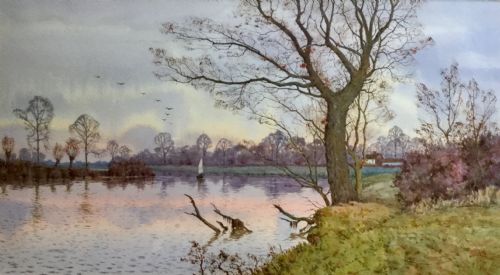


English Winter Landscape
An english winter landscape captures the quiet chill of the countryside through oil, pastel, or watercolour.
English Winter Landscape
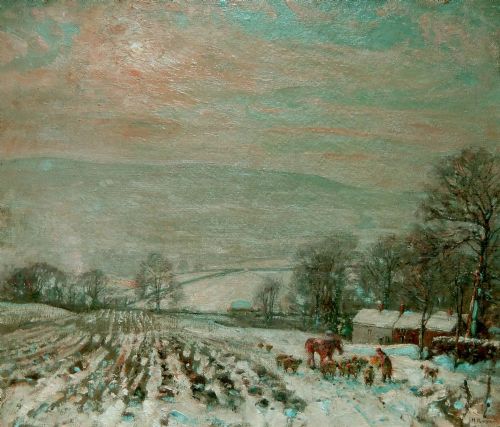
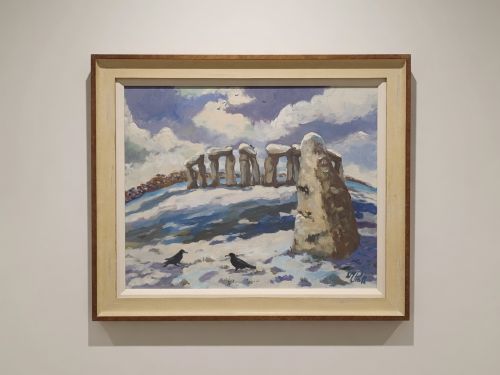
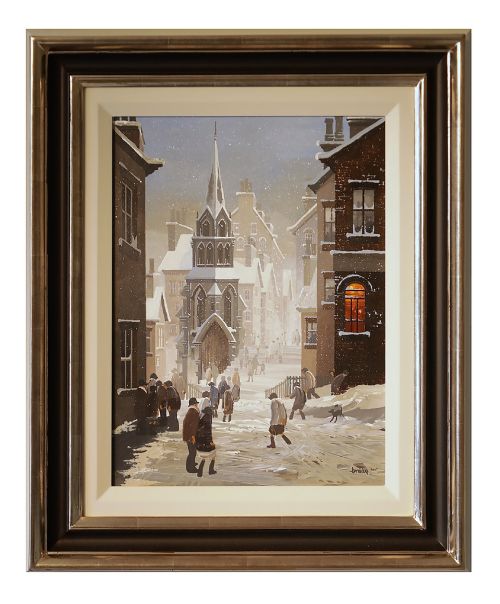
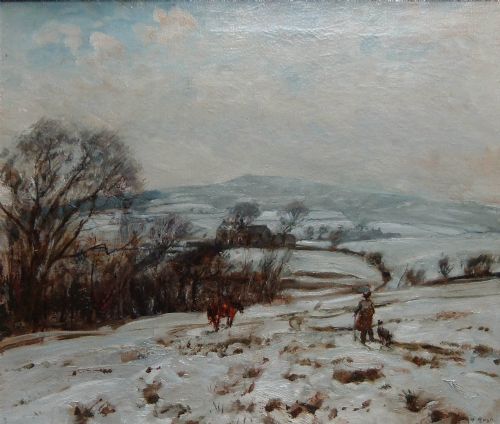
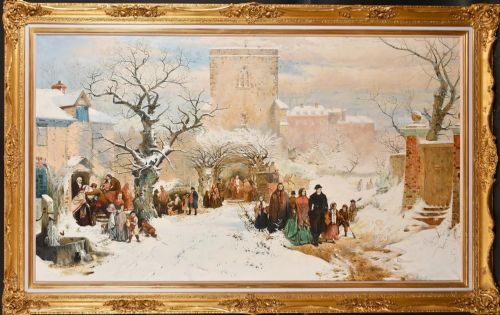
An english winter landscape depicts the seasonal frost, snow, and bare scenery of the British countryside across the nineteenth and twentieth centuries. These works record rural life, coaching scenes, and Yorkshire dales under heavy snow.
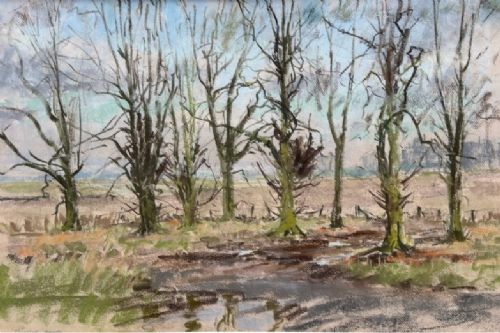
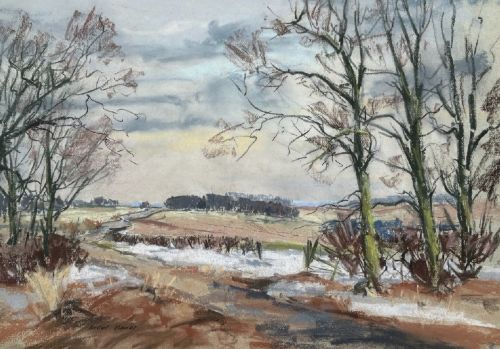
The most common examples on this page are oil paintings and watercolours created during the early to mid-twentieth century by regional British artists. Pastels also appear, capturing the muted light of winter days in the Wolds and Wharfedale.
Materials and methods
Artists painted these scenes using oil paint on canvas or wood panels, alongside watercolours and pastels on paper. These traditional mediums allowed painters to layer pigment and build up textures representing snow and frozen earth.
Support materials range from stretched canvas to heavy artist paper, framed behind glass for watercolours and pastels or left unglazed for oil paintings.
English Winter Landscape Retail Price Guide 2026
Typical asking prices for english winter landscape among the pieces listed under this phrase on Sellingantiques today, from the lower quarter to the upper quarter. They describe what is for sale here now, not the wider market.
Stagecoaches persistently get stuck in snowstorms across multiple nineteenth-century oils.
Determinants of quality
Quality rests upon the artist's ability to handle the difficult lighting and subtle colour palettes peculiar to winter. Stronger works convey atmosphere and depth rather than relying on standard snow tropes.
Condition matters, particularly for works on paper where foxing or fading can diminish the impact of a snowy vista. Oil paintings on canvas maintain greater resilience over the decades.
Herbert Royle·John Charles Maggs·Ernest Higgins Rigg·Angus Rands·Brian Shields Braaq
The English Winter Landscape Glossary
- Pastel
- A dry painting medium consisting of powdered pigment and a binder. It creates soft, velvety textures well suited to snowy skies.
- Watercolour
- A paint where the pigments are suspended in a water-based solution. Applied to paper, it relies on the white of the sheet to provide highlights.
- Oil on Canvas
- Pigment mixed with drying oil applied to a woven fabric stretched across a wooden frame. This method was standard for durable landscape works.
- British Impressionism
- A painting style focusing on light and everyday subjects. It influenced many twentieth-century depictions of rural weather.
English Winter Landscape: Frequently Asked Questions
What periods do these paintings date from?
The works span from the nineteenth century through to the mid-twentieth century. Many examples cluster around the nineteen-twenties and nineteen-thirties.
Later works extend past nineteen-sixty, reflecting continuous interest in British seasonal scenery.
How should I hang an oil painting?
Oil paintings on canvas require stable wall spaces away from direct heat sources and strong sunlight. This protects both the canvas and the wooden stretcher.
Most frames are fitted with picture wire suitable for standard wall hooks.
Are watercolours fragile?
Watercolours and pastels require framing under glass to protect the paper surface from moisture and atmospheric dust. Direct sunlight can cause fading in older pigments.
Keeping them out of bright windows preserves the original tones.
Where were these scenes painted?
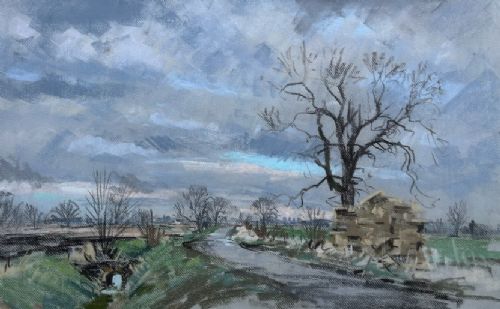
Many works depict northern locations such as Wharfedale, Swaledale, and Castle Howard in Yorkshire. Other subjects include the Fens and historic coaching routes.
Artists frequently worked from local studies or studio portfolios.