



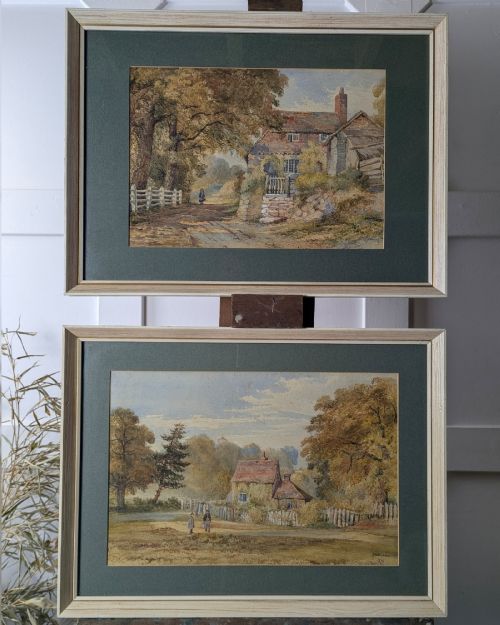
English Watercolour Artwork
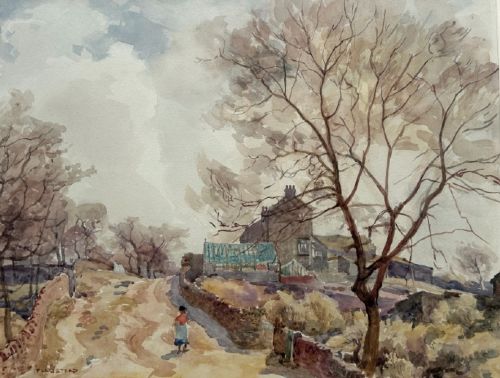
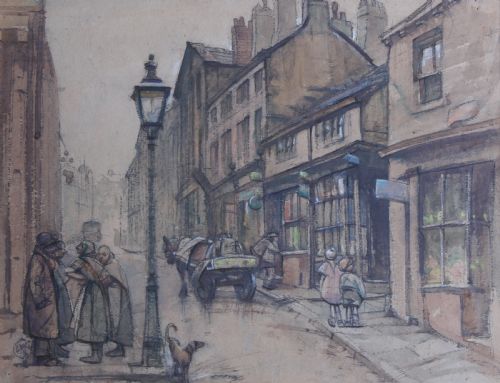
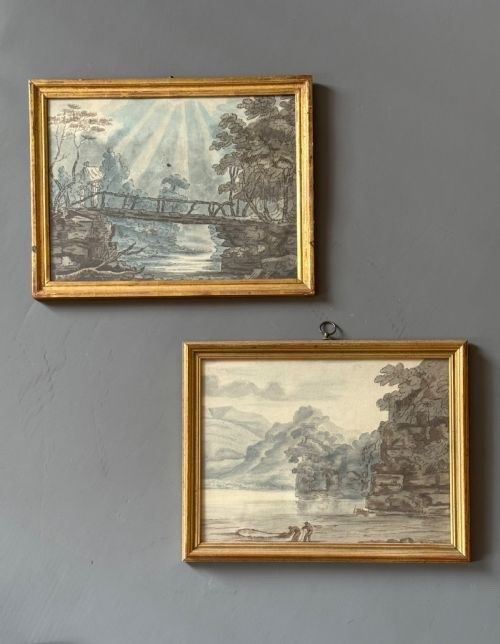
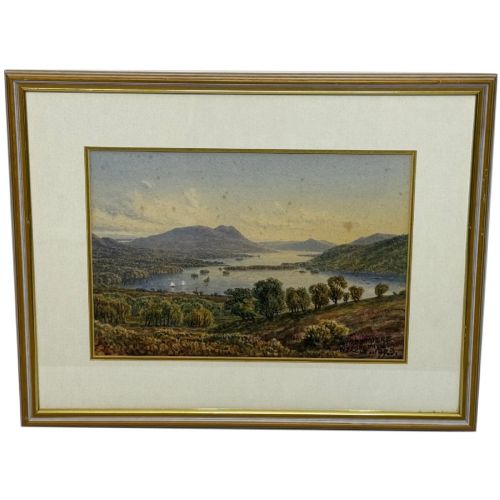
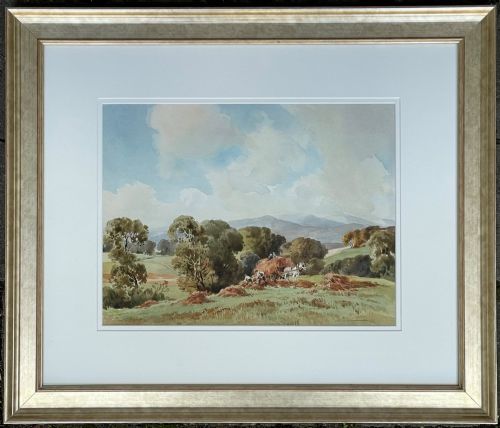
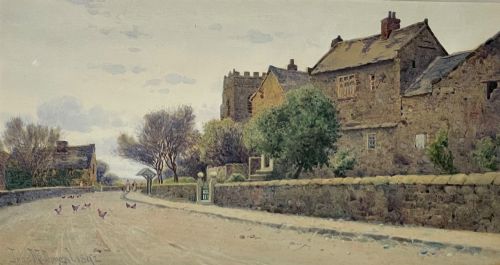
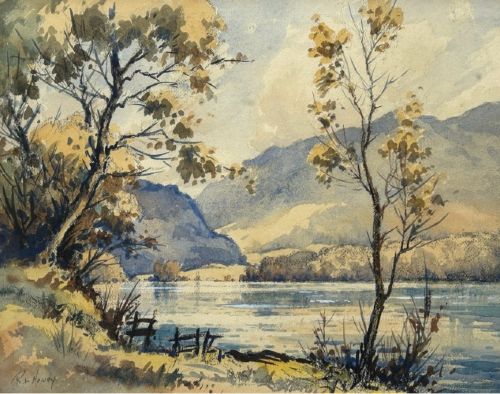
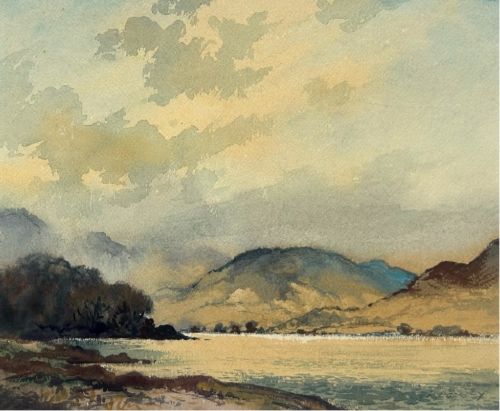
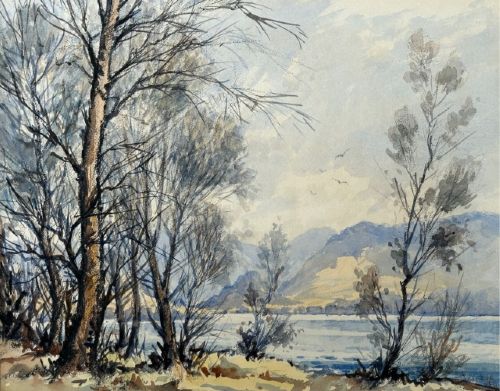
These pieces of english watercolour artwork capture landscapes and portraits across the nineteenth and twentieth centuries.
English Watercolour Artwork
An english watercolour artwork represents a painted composition on paper executed across the nineteenth and twentieth centuries. The selection spans Victorian botanical studies, Edwardian pastoral scenes, and mid-twentieth-century regional landscapes.
Most examples appear framed behind glass, often housed in gilt wood frames. The subjects range from coastal seascapes and rural villages to domestic still lifes and portraiture.
Pieces from this category include works by named British artists alongside examples from regional English schools. The structural format relies on pigment applied to paper support, frequently accompanied by preparatory pencil or ink.
How they were made
The primary technique involves the application of water-soluble pigment onto paper support, sometimes supplemented with bodycolour, gouache, or ink lines. Artists built translucent washes to render light and atmosphere across landscapes and still lifes.
Many works incorporate pencil underdrawing to establish composition before pigment application. Finished sheets typically receive protection behind glass within wooden frames, occasionally accented with gold leaf.
Several artists preferred painting wet paper outdoors while bracing against sudden coastal gales.
What varies in quality
Quality rests upon the certainty of brushwork and the preservation of pigment vibrancy across the paper surface. Stronger examples display deliberate control of translucent washes and clear tonal depth.
The handling of light and architectural or anatomical precision separates accomplished compositions from more formulaic student exercises. Condition of the paper support and stability of the pigments further influence the standing of an individual sheet.
William James Hubard·George Sydney Shepherd·James Orrock·Alfred Young Nutt·Percy Lancaster·A Marie Parsons·John McDougal·Robert Leslie Howey·William Banks Fortescue·Robert A Nottingham·Henry Silkstone Hopwood·Muriel Metcalfe·Vincent Clare·Fred Lawson·Robert Thorne Waite·John Smith Atherton·Joseph H Barnes·Ernest Arthur Rowe·Frederick Walker·George Oyston·Russell Sidney Reeves·Frederick Tatham·Bonomi Edward Warren·John Sherrin·Charles Henry Slater
The English Watercolour Artwork Glossary
- Watercolour pigment
- Finely ground colour particles mixed with a water-soluble binder. This substance forms the primary medium for the painted layers.
- Bodycolour
- Watercolour mixed with a white pigment to create opacity. Artists utilise this method to introduce highlights and solid passages into a design.
- Gilt wood
- Timber frames coated in a thin layer of gold leaf or metallic paint. This treatment provides traditional presentation for works on paper.
- Victorian Fine Art
- Works produced during the reign of Queen Victoria associated with academic standards. These pieces often demonstrate high technical finish.
- British Impressionism
- A style reflecting light and fleeting moments through loose brushwork. Painters within this group prioritized outdoor observation.
English Watercolour Artwork: Frequently Asked Questions
How do I date an english watercolour artwork?
Examine the paper quality, framing style, and artist signatures where present. Costume details in figures or architectural elements in landscapes also offer clues to the period.
Many nineteenth-century examples display distinct tonal palettes, whereas twentieth-century sheets often show shifts toward modern abstraction or looser brush handling.
What is the difference between watercolour and bodycolour?
Standard watercolour relies on translucent washes where the white of the paper illuminates the pigment. Bodycolour incorporates opaque white paint to create solid, light-reflecting passages.
Artists frequently combined both techniques on a single sheet to build contrast between deep shadows and bright highlights.
How should I display watercolour art at home?
Hang pieces away from direct sunlight to prevent the pigments from fading over time. Maintaining stable indoor humidity protects the paper support from warping or foxing.
Ensure the frame maintains a small gap between the glass and the paper surface to prevent moisture accumulation.
Are most of these artworks signed?
Signatures appear on many listed pieces, though some historic works remain anonymous or originate from regional schools. Initials or monograms often require cross-referencing with artist records.
Unsigned examples are judged entirely on technical execution, materials, and period characteristics.