






English Walnut Box
An english walnut box brings domestic organisation from past centuries into a modern room, offering rich timber grain and fitted compartments for letters, tea, or valuables.
English Walnut Box
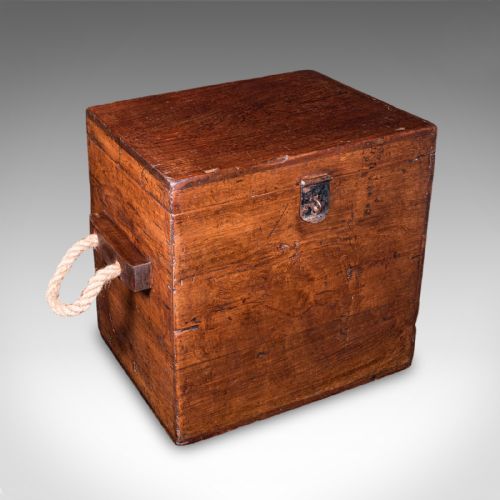
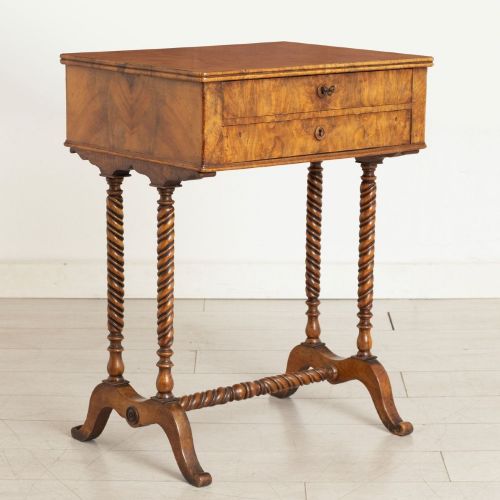
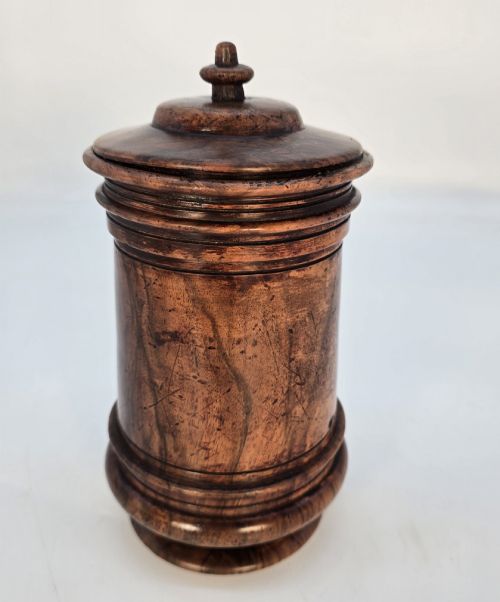
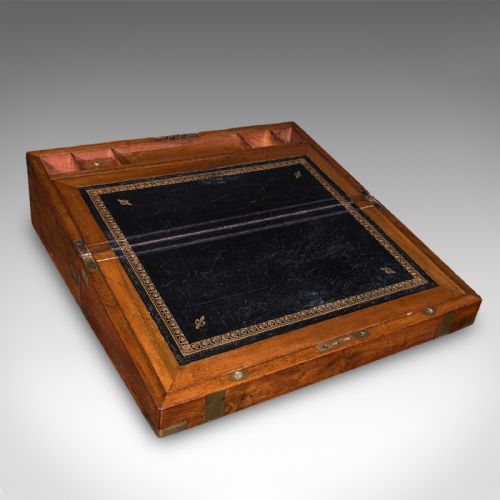
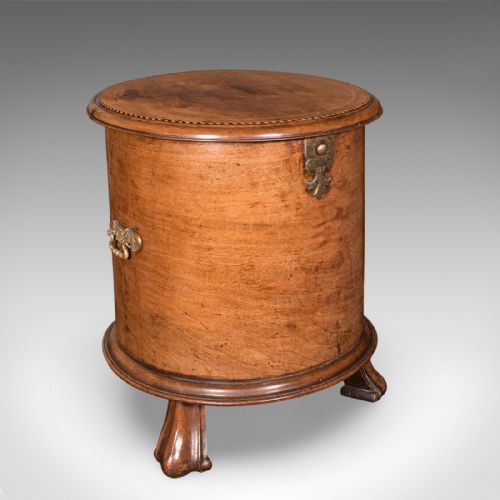
An english walnut box encompasses a wide array of functional domestic objects, from Georgian tea caddies and Regency writing slopes to Victorian stationery cases and sewing tables.
The pieces span several distinct eras including Queen Anne, Georgian, Regency, and Victorian periods, reflecting shifting tastes in interior storage and personal administration.
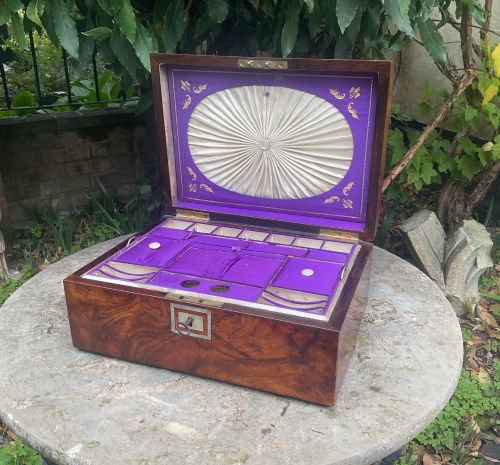
Burr walnut veneers frequently appear alongside solid cuts, giving tea caddies, caskets, and document boxes distinctive swirling grain patterns.
Materials and Technique
Cabinetmakers utilised walnut and burr walnut as primary timbers, often accenting surfaces with contrasting wood inlay or intricate Tunbridge Ware mosaic patterns.
Brass hardware such as escutcheons, corner brackets, and carrying handles reinforced structural joints while adding functional polish to campaign and writing boxes.
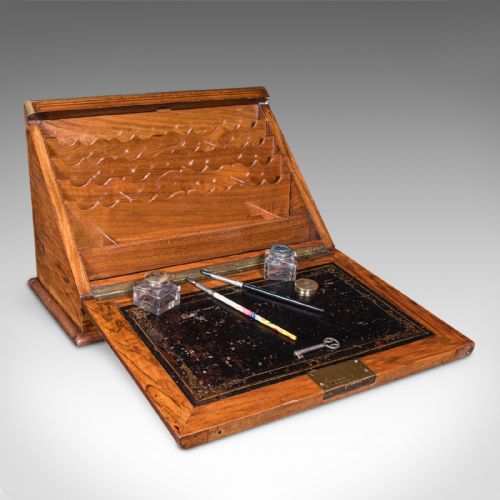
Interior fittings integrated secondary woods, glass, leather, and fabric lining to safely cradle correspondence, cutlery, or decanters.
English Walnut Box Retail Price Guide 2026
Typical asking prices for english walnut box among the pieces listed under this phrase on Sellingantiques today, from the lower quarter to the upper quarter. They describe what is for sale here now, not the wider market.
Specialised forms span writing slopes, tea caddies, sewing tables, and tobacco jars.
Grading Quality
The visual depth of the timber grain and the precision of the book-matched burr walnut veneer determine the primary aesthetic tier of a box.
Sophistication in interior layout elevates certain pieces, distinguishing simple storage vessels from elaborate writing slopes and fitted dressing cases equipped with silver and glass.
The integrity of decorative elements, including intricate micro-mosaic Tunbridge inlay or hand-painted porcelain panels, separates standard utility items from masterwork examples.
Henry Hollamby·Mappin & Webb·Waring & Gillow·Parkins and Gotto·Faudels of London·Trussell Brighton·J. Robinson
The English Walnut Box Glossary
- Tunbridge Ware
- A form of wooden mosaic decoration involving thousands of tiny tinted wood blocks to create pictorial scenes or geometric bands. This meticulous technique originates from the spa town of Tunbridge Wells.
- Writing Slope
- A portable desk featuring a hinged, sloping lid that opens to reveal a velvet or leather writing surface, inkwell compartments, and secret drawers. These slope-front boxes served travellers and homeowners before fitted desks became commonplace.
- Tea Caddy
- A small container designed to keep loose tea leaves dry and secure under lock and key. Georgian and Victorian examples frequently incorporate multiple internal compartments or glass mixing bowls.
- Burr Walnut
- A specialised wood cut from the abnormal growths on walnut trees, yielding complex, swirling grain patterns. Cabinetmakers prized this veneer for high-status furniture and decorative boxes.
- Escutcheon
- A protective brass plate surrounding a keyhole. It prevents the surrounding wood from wearing down through repeated use of the key.
English Walnut Box: Frequently Asked Questions
What is an english walnut box used for?
These boxes served specialised domestic functions in past centuries, holding correspondence, tea leaves, sewing implements, or valuables. Their compartmentalized interiors kept small household items organised before modern cabinetry.
Today, they adapt easily to desktop storage, holding modern stationery, jewellery, or keepsakes while displaying historic craftsmanship.
How do I identify the period?
Dating relies on observing construction methods, hardware styles, and decorative motifs characteristic of Georgian, Regency, or Victorian eras. Regency boxes often feature bold brass banding, while Victorian pieces frequently showcase elaborate burr walnut veneers or Tunbridge inlay.
Interior linings, locking mechanisms, and secondary woods also offer clues regarding the decade of manufacture.
How should I care for the wood?
Walnut timber requires stable indoor humidity away from direct sunlight and heat sources to prevent the veneer from lifting. Gentle dusting with a dry, soft cloth preserves the historic finish.
Occasional light treatment with appropriate furniture wax maintains the moisture and lustre of the antique surface without harming the wood.
Are keys usually included?
Original working keys are occasionally present with surviving locks, though many antique boxes survive without them due to centuries of displacement. Small cabinet locks of these periods used standard barrel keys that can sometimes be matched.
The presence or absence of a key does not diminish the decorative appeal or historical integrity of the piece.