




English Turned Treen
English turned treen brings together centuries of domestic utility and lathe work, offering collectors small functional objects of tactile beauty.
English Turned Treen
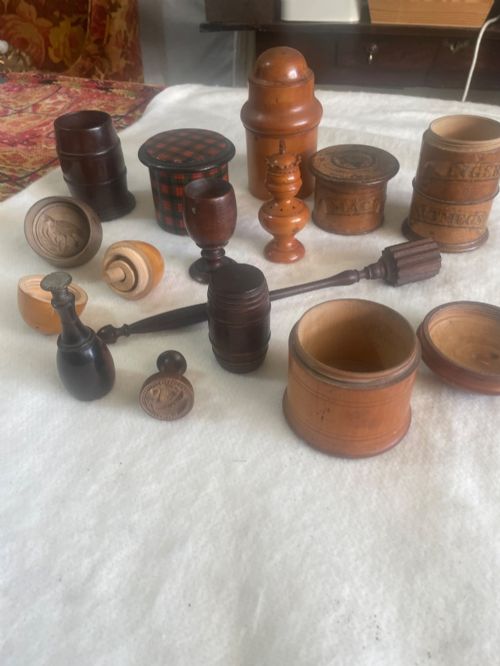
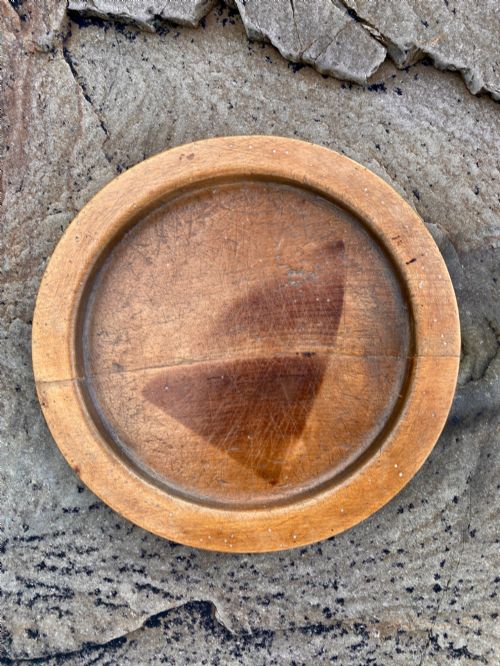
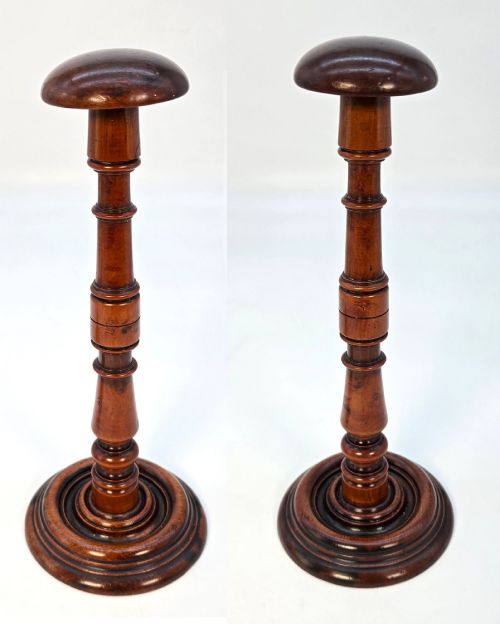
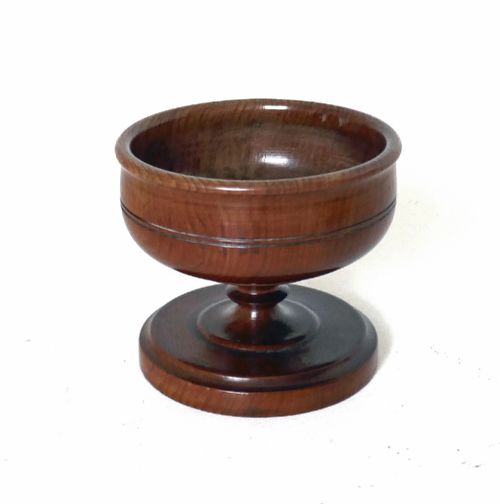
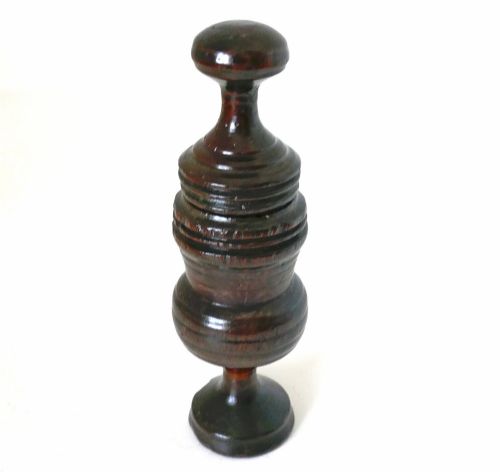
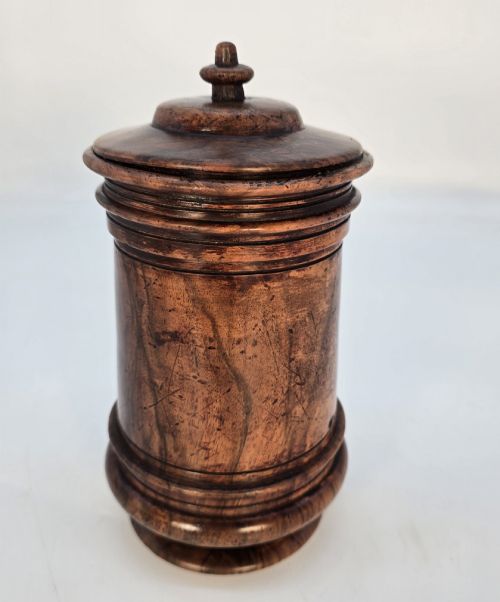
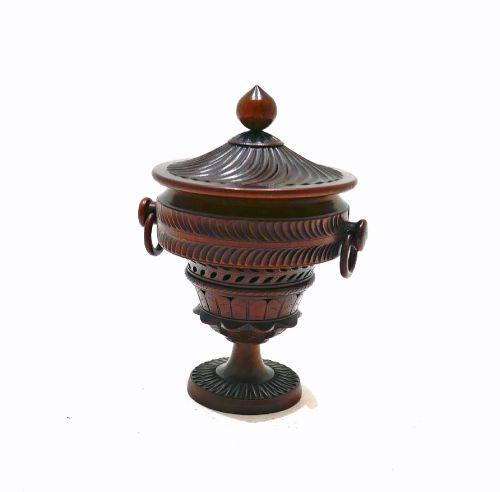
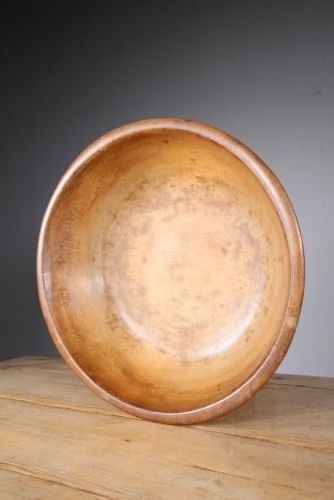
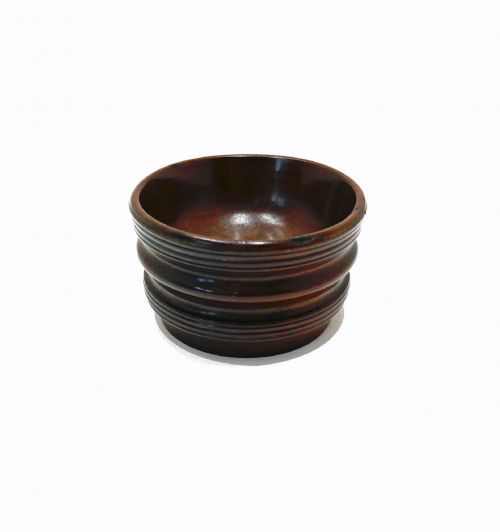
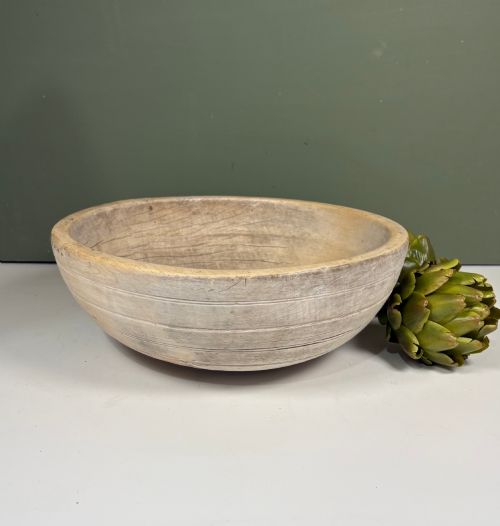
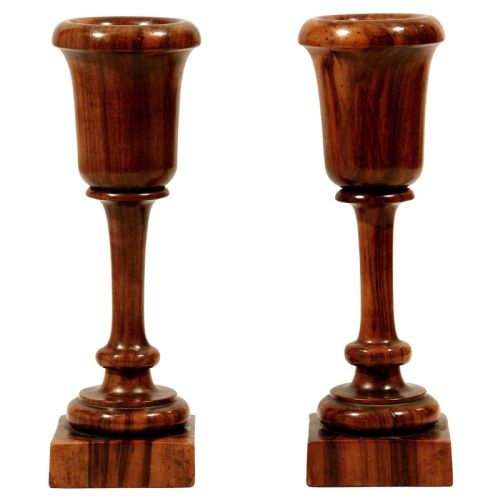
When you search for english turned treen, you encounter domestic wooden objects shaped on a lathe spanning from the seventeenth century through the Victorian era. These domestic items include dairy bowls, platters, spice towers, salt cellars, spill vases, and wig stands produced in rural and urban workshops. Sycamore and yew wood pieces dominate the selection, often presenting simple utilitarian forms intended for daily use in British households.
Country house and farmhouse pieces form the core of what is available, showing the steady hands of local turners working with native timbers. These items bridge the gap between pure utility and folk art, carrying the marks of their original purpose and subsequent handling. The survival of such domestic treen depends entirely on the durability of the wood and the care of successive owners.
Materials and turning methods
Makers relied primarily on native hardwoods such as sycamore, yew, fruitwood, and boxwood, selecting each timber for its grain structure and resistance to splitting. Sycamore served well for dairy bowls and platters due to its clean surface and stability, while dense woods like boxwood and lignum vitae suited intricate elements like spice towers and spill vases. Turners mounted green or seasoned timber on pole lathes or foot-powered lathes, shaping the rotating body with gouges and chisels.
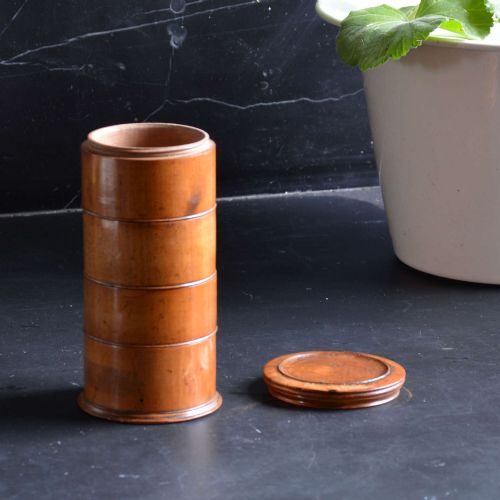
Construction techniques often involved hollowing from the solid block or turning separate sections to be joined, as seen in multi-tiered spice towers and lidded pomanders. Tool marks left by the gouge or parting tool remain visible beneath the surface, recording the mechanics of the turning process. Surfaces were finished through friction polishing or natural wear rather than heavy varnishing, allowing the grain of the wood to remain prominent.
English Turned Treen Retail Price Guide 2026
Typical asking prices for english turned treen among the pieces listed under this phrase on Sellingantiques today, from the lower quarter to the upper quarter. They describe what is for sale here now, not the wider market.
The selection spans from the 17th century to the 19th century, featuring sycamore, yew wood, fruitwood, and boxwood across various domestic forms.
Judging quality in turned treen
Quality in english turned treen rests upon the crispness of the turning profile and the preservation of the original surface patina. A superior piece retains its intended proportions without distortion, showing deliberate transitions between beads, coves, and flat planes executed by a confident turner. Wear should look natural and soft rather than abrasive, preserving the tool marks and the tactile warmth accumulated over centuries.
The selection of the timber heavily influences the standing of an object, with dense, well-figured yew, laburnum, or boxwood elevating the visual interest of smaller items like salts and spice pots. Simpler utility forms depend on clean lines and substantial thickness in the walls of bowls and platters. When a piece bears secondary evidence of its history, such as iron burn marks or old repairs, the integration of that history affects its overall integrity.
The English Turned Treen Glossary
- Treen
- Small handmade wooden objects for domestic use. The term derives from the old English word for tree.
- Trencher
- A wooden plate or platter used for cutting or serving food before ceramic tableware became common. They often feature raised rims and circular turning rings.
- Spill vase
- A small container designed to hold tapers or spills of paper used for lighting fires and candles. These turned wooden cylinders sit on flat bases.
- Spice tower
- A multi-tiered turned wooden container used for holding various culinary spices. Each section nests or fits above the other on a central axis or stepped profile.
- Patina
- The surface sheen and mellow colour developed by wood over long periods of handling, exposure to light, and waxing. It distinguishes older surfaces from modern finishes.
English Turned Treen: Frequently Asked Questions
How are these wooden objects cleaned?
Maintenance requires only a soft, dry cloth to remove dust without disturbing the surface sheen. Moisture and modern cleaning agents damage dry historic timber and strip the patina.
Keeping pieces away from direct sunlight and sudden temperature changes prevents the wood from drying out and cracking.
What wood was used most often?
Sycamore and yew wood appear most frequently among these listings, chosen for their turning qualities and local availability. Boxwood, fruitwood, and walnut also feature in smaller containers and instruments.
Turners selected specific timbers based on the functional demands of the object, using dense woods for fine details and lighter woods for bowls.
How can I tell the age?
Dating relies on tool marks, timber choice, wear patterns, and the evolution of domestic forms through different centuries. Early pieces from the seventeenth century often show heavier hand-tool work and simpler, thicker walls.
Comparative study of recorded examples helps narrow down the period when a lathe-turned object entered service.
Were these items made for everyday use?
Most of these objects served practical functions in kitchens, dairies, and parlours before becoming collectable. Dairy bowls processed milk, while spice towers and salt cellars aided in food preparation and dining.
Their survival through centuries of domestic work demonstrates the robust nature of traditional English woodturning.