

English Turned Chair
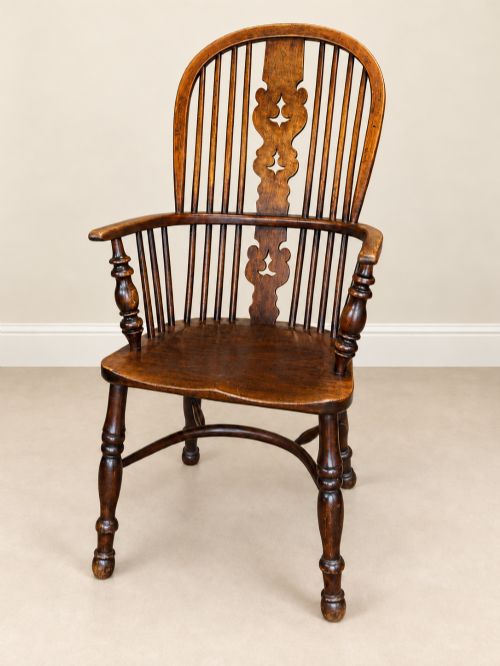
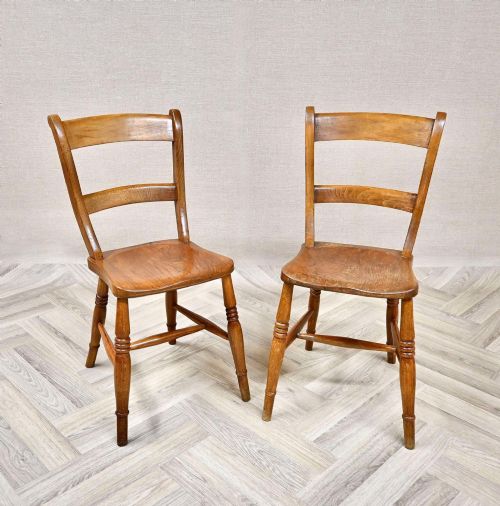
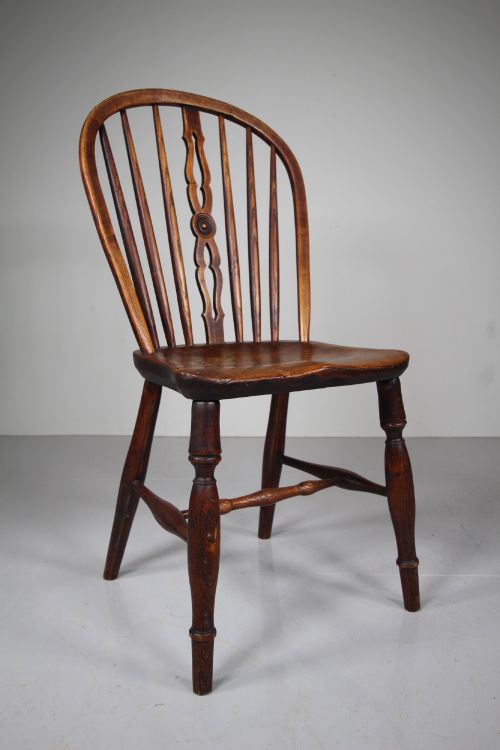
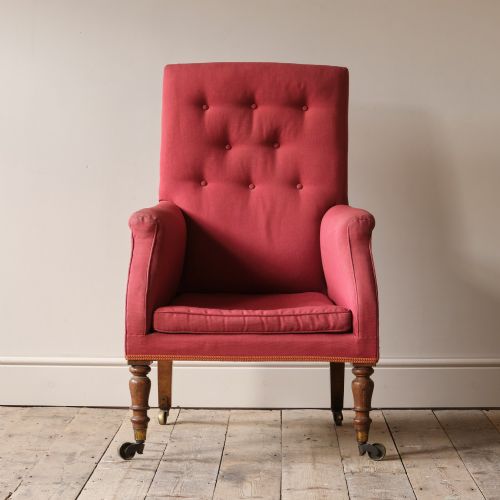
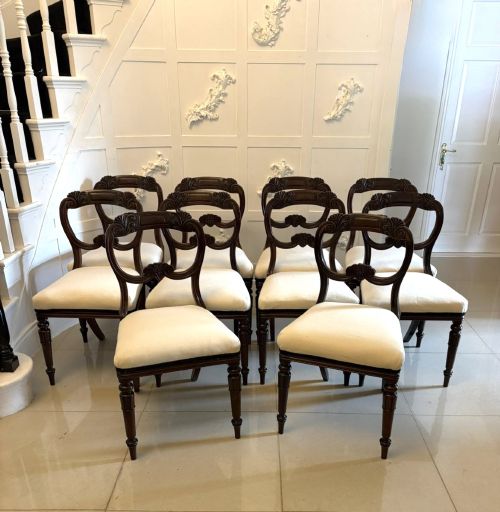
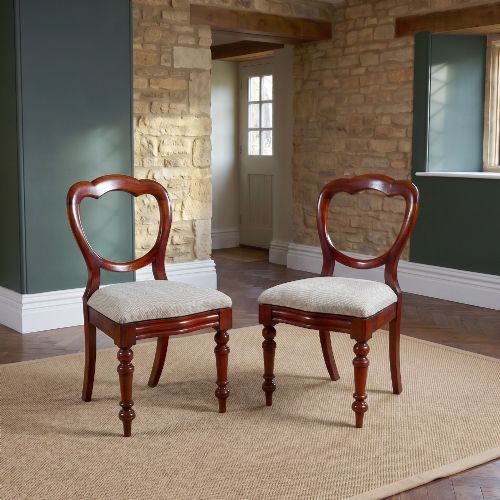
An english turned chair brings sturdy traditional joinery and shaped spindle work into a room.
English Turned Chair
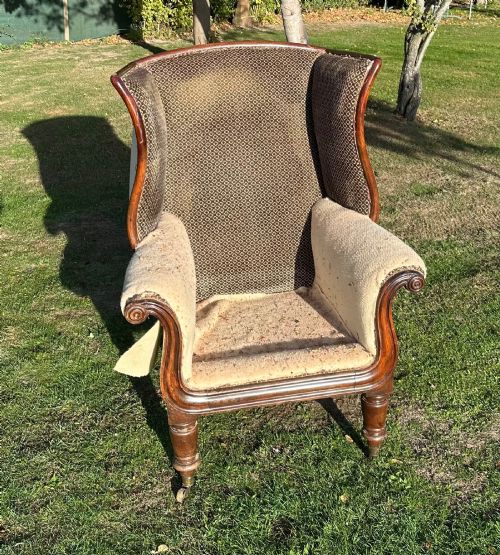
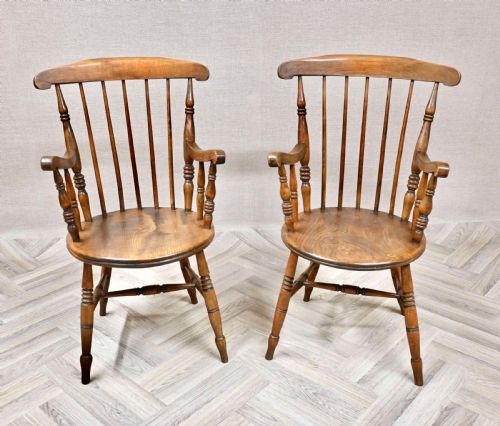
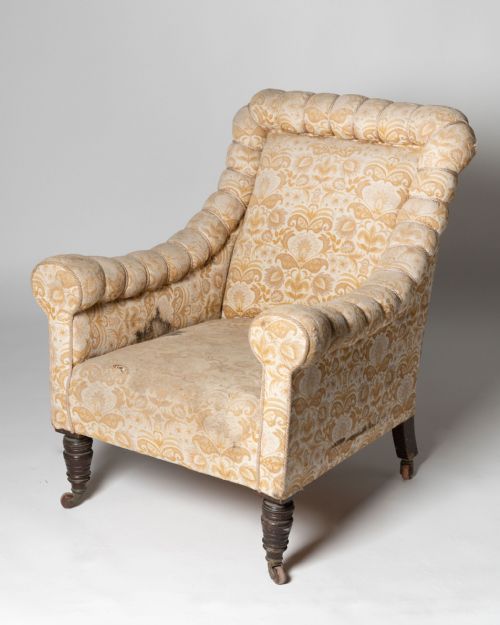
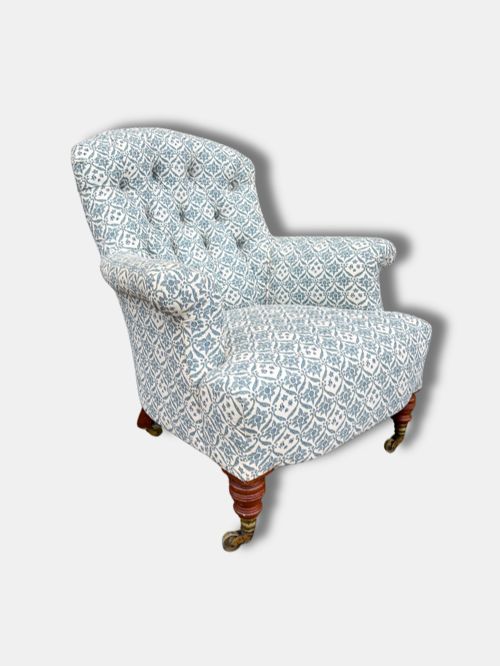
When you search for an english turned chair, you encounter sturdy seating built around wooden framing and shaped components. These pieces derive from traditional country house and kitchen seating traditions.
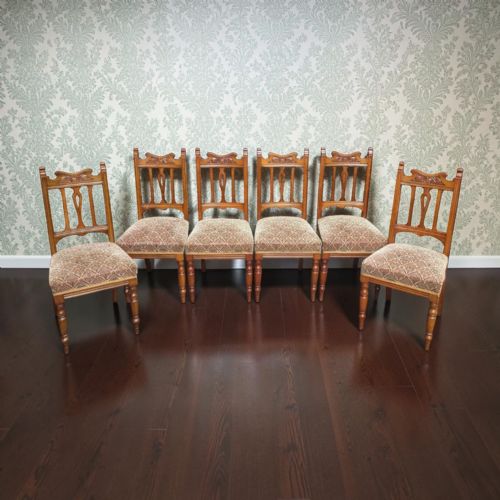
The selections span the nineteenth century and the early twentieth century, taking the form of armchairs, side chairs, and kitchen dining seats.
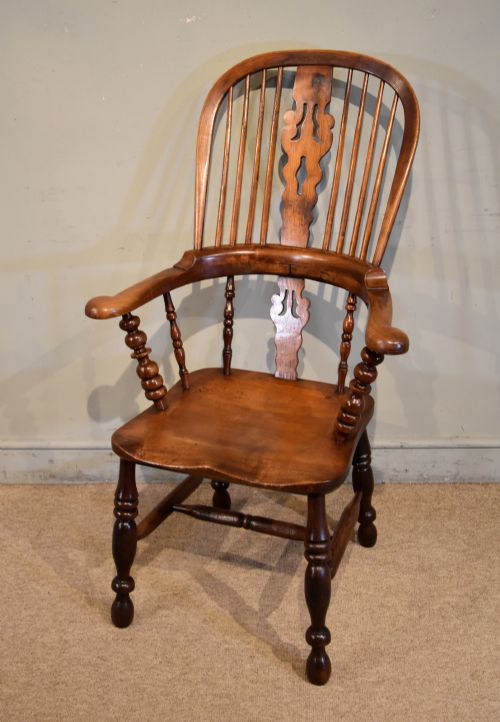
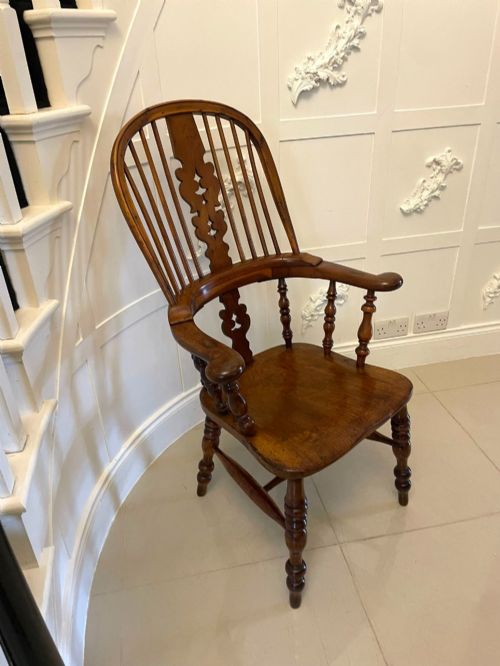
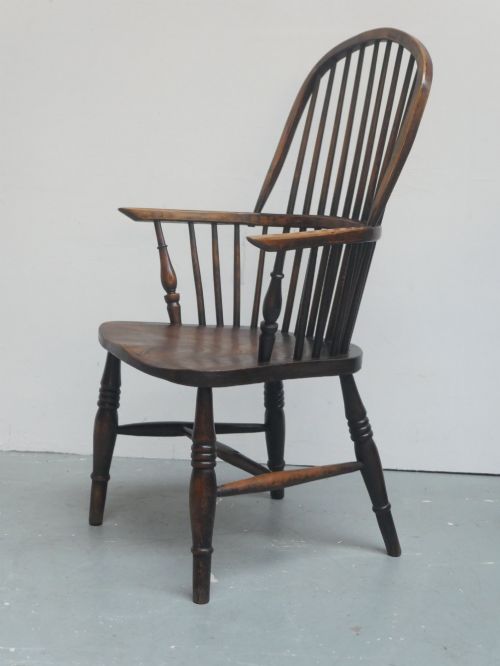
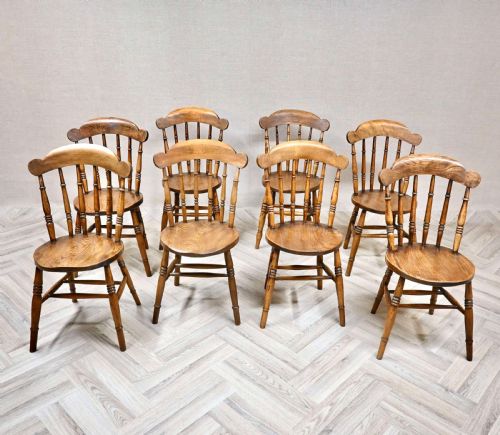
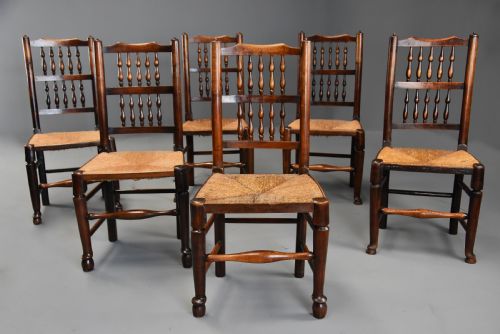
Many examples incorporate regional styles such as Windsor designs, smoker's bows, and spindle backs constructed from domestic timbers.
Materials and construction methods
Cabinet makers and bodgers utilised native timbers like elm, ash, beech, and oak to form the sturdy frames and seats. Yew and mahogany appear in higher status iterations.
Turning lathes shaped the spindles, legs, and stretchers, creating uniform cylindrical components that fit into bored seats and rails.
English Turned Chair Retail Price Guide 2026
Typical asking prices for english turned chair among the pieces listed under this phrase on Sellingantiques today, from the lower quarter to the upper quarter. They describe what is for sale here now, not the wider market.
Listings feature nineteenth century and early twentieth century periods, utilising elm, ash, beech, oak, and mahogany.
Factors determining quality
The integrity of the structural joints and the choice of primary timber dictate the durability of an english turned chair. Denser hardwoods like yew and ash provide better resistance to wear than softer alternatives.
Patina and the retention of original turned components without replacement spindles separate ordinary utilitarian seating from finer examples.
Howard & Sons·M. D. Miller & Sons·Gillows
The English Turned Chair Glossary
- Spindle
- A slender, turned rod of wood used to form the backrest or arm supports of the chair.
- Stretcher
- A horizontal wooden brace connecting the legs to provide structural rigidity.
- Windsor
- A chair style characterised by a solid wooden saddle seat into which the back and legs are directly wedged.
- Smoker's bow
- A low-backed Windsor armchair featuring a continuous curved arm and back rail.
English Turned Chair: Frequently Asked Questions
What defines an english turned chair?
These chairs are defined by components shaped on a wood-turning lathe, forming the structural members, legs, and back spindles.
They rely on pegged and wedged joinery rather than metal fasteners, reflecting traditional vernacular woodworking methods.
How do I care for wooden seating?
Keep the wood away from direct heat sources and sudden temperature shifts to prevent the timber from splitting or joints from loosening.
Apply traditional paste wax occasionally to maintain the surface sheen and nourish the aged grain.
Where were these chairs used originally?
They served primarily in kitchens, farmhouses, and country houses as utilitarian seating for daily tasks.
Over time, their robust construction and aesthetic appeal brought them into libraries, morning rooms, and dining spaces.
How can I identify the timber?
Elm typically displays a distinctive interlocking grain pattern with rich figuring, often used for solid chair seats.
Beech and ash present straighter, paler grains suited for the turned spindles and structural legs.