



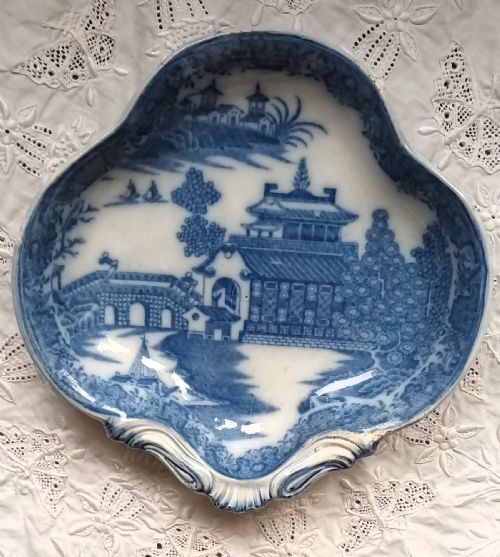


English Transferware Tray
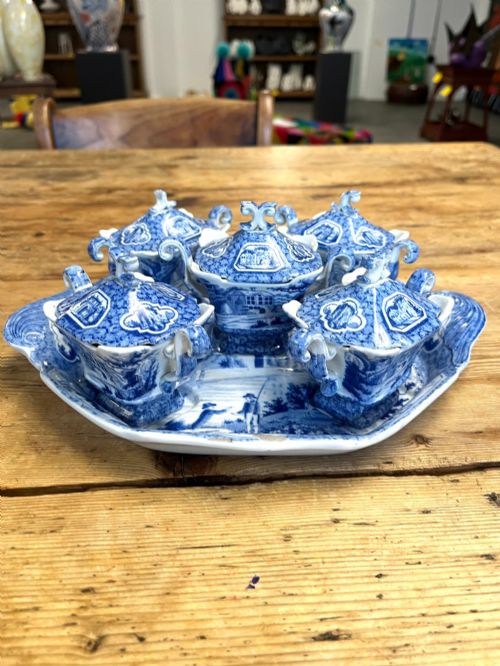
An English transferware tray brings structured pattern and crisp cobalt colour to a table, combining utility with pictorial depth.
English Transferware Tray
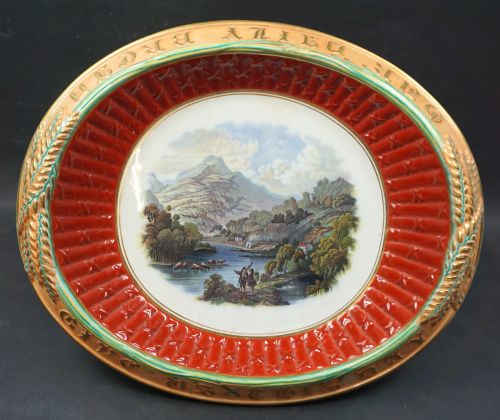
An english transferware tray encompasses serving platters, spoon trays, pickle dishes, and bread stands produced across the eighteenth and nineteenth centuries.
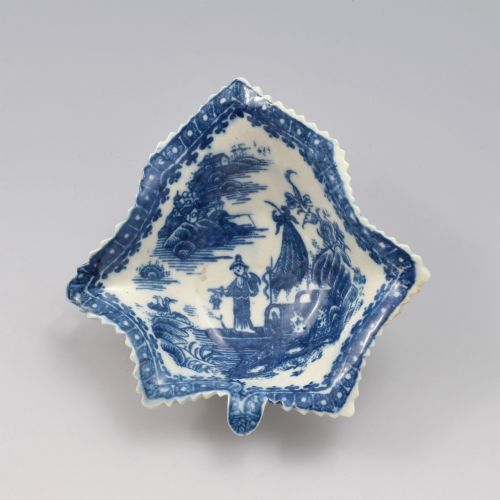
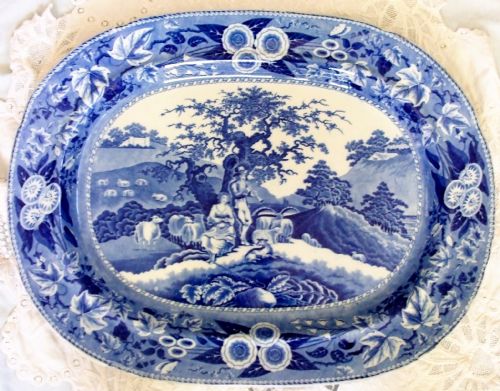
The pieces on this page span Georgian and Victorian periods, utilising blue and white pigments to render Chinoiserie scenes, classical ruins, and pastoral patterns.
Forms range from small spoon trays and trefoil dishes to large serving platters with reservoirs and advertising scale plates.
Materials and production methods
Potters shaped earthenware, pearlware, ironstone, and soft-paste porcelain into various dishes before applying printed designs using cobalt pigment.
Copperplate engraving transferred the pattern onto tissue paper, which was then rubbed onto the ceramic surface prior to glazing and firing.
English Transferware Tray Retail Price Guide 2026
Typical asking prices for english transferware tray among the pieces listed under this phrase on Sellingantiques today, from the lower quarter to the upper quarter. They describe what is for sale here now, not the wider market.
The object forms range from small spoon trays and pickle dishes to large meat platters and advertising scale plates.
Judging quality in transferware
Quality rests upon the clarity of the transferred print and the registration where pattern joins meet, alongside the smoothness of the glaze.
Early pearlware bodies and fine soft-paste porcelain exhibit greater delicacy than later heavy ironstone bodies, while the depth of the cobalt pigment varies across potteries.
Spode·Thomas Lakin·Don Pottery·John Rogers and Son·J and R Clews·Mason
The English Transferware Tray Glossary
- Transfer printing
- A method of decorating ceramics by transferring a design from an engraved copper plate via tissue paper to the clay or biscuit body. This technique allowed complex pictorial scenes to be replicated consistently.
- Pearlware
- A refined earthenware developed in the late eighteenth century featuring a bluish glaze that pooled in recesses to mask the underlying cream-coloured body. It served as a bridge towards harder white bodies.
- Ironstone
- A dense, durable ceramic patented in the early nineteenth century that resisted chipping and heavy use. It provided a robust surface for large serving platters and meat dishes.
- Chinoiserie
- A European artistic style reflecting Chinese motifs and landscapes, frequently adapted by English potteries for blue and white tableware. The style often populated trays with pavilions, figures, and imaginary bridges.
- Spoon tray
- A small, shallow tray designed to hold teaspoons on the tea table when not in use. These compact pieces often share the patterns found on larger serving dishes.
English Transferware Tray: Frequently Asked Questions
How do I date an english transferware tray?
Dating relies on the ceramic body type, such as pearlware versus ironstone, combined with the style of the blue and white printed border.
Early pieces often feature lighter bodies and delicate Chinoiserie or pastoral motifs, whereas later Victorian examples utilise heavier ironstone and more commercial designs.
Were these trays used for food?
Most pieces served specific dining functions, from holding bread and cheese to carrying roasted meats on platters with reservoirs.
Smaller examples like spoon trays and pickle dishes fulfilled specialised roles during formal tea and dinner services.
How should I clean an antique tray?
Wash ceramic pieces gently by hand using warm water and mild soap, avoiding harsh scrubbing or dishwashers that can damage the glaze.
Old earthenware and pearlware can absorb moisture through crazing lines if left soaking for extended periods.
What is the difference between pearlware and ironstone?
Pearlware is a lighter earthenware developed in the Georgian era with a characteristic bluish glaze pooled in crevices.
Ironstone is a much heavier, sturdier ceramic introduced in the nineteenth century to withstand the demands of heavy table service.