

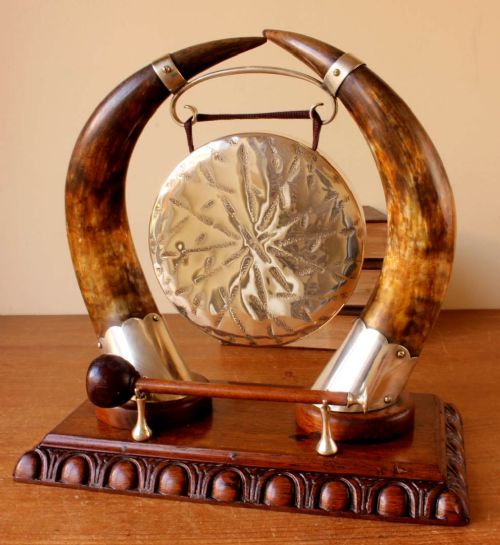



English Taxidermy
English taxidermy brings Victorian and Edwardian interiors to life through carefully preserved specimens housed beneath tall glass domes and within mahogany or ebonised wood display cases.
English Taxidermy
English taxidermy most commonly appears on this page in the form of display domes, cloches, and glass clock cases originating from the Victorian and Edwardian eras. These pieces served as natural history showcases for collectors, displaying specimens and botanical arrangements upon bases lined with baize, felt, or fabric.
The assortment spans from wide nineteenth-century examples to tall specimens dating around nineteen hundred, alongside occasional sporting pieces such as silver hunting trophy brooches. The overriding form remains the glass dome, designed to protect delicate preserved displays from dust while permitting all-round viewing.
Judging quality in specimens and cases
Quality rests upon the clarity and condition of the glass dome itself, where absence of heavy scratching or deep chips marks a superior example. The weight and timber selection of the base also dictate standard, with dense hardwoods and well-turned mouldings outperforming plain or heavily damaged softwood plinths.
The internal presentation and preservation of the display element dictate desirability, alongside the crispness of any accompanying woodwork or metal mounts. Original fabric linings that retain their rich colour without severe fading or moth damage distinguish better-preserved pieces from those requiring extensive restoration.
English Taxidermy Retail Price Guide 2026
Typical asking prices for english taxidermy among the pieces listed under this phrase on Sellingantiques today, from the lower quarter to the upper quarter. They describe what is for sale here now, not the wider market.
Some nineteenth-century specimens required a professor's patience to arrange beneath glass, proving that Victorian science also doubled as interior decoration.
The English Taxidermy Glossary
- Cloche
- A bell-shaped glass cover traditionally used for protecting delicate objects or plants, frequently utilised interchangeably with display domes in period settings.
- Ebonised wood
- Timber treated with a dark finish to imitate expensive ebony, commonly seen on the bases of Victorian and Edwardian display stands.
- Baize
- A coarse woolen fabric resembling felt, frequently used to line the floor of specimen cases and display dome bases.
- Diorama
- A three-dimensional scene enclosed within a glass-fronted case or dome, depicting specimens in a simulated natural environment.
English Taxidermy: Frequently Asked Questions
What is an English taxidermy dome?
An English taxidermy dome consists of a blown glass cover resting on a wooden base, designed to house and display preserved specimens.
These pieces date primarily from the Victorian and Edwardian periods, functioning as both scientific curiosities and drawing room ornaments.
Where were these pieces displayed?
Victorian and Edwardian households placed these glass showcases on mantelpieces, sideboards, and dedicated collector tables.
They allowed natural history enthusiasts to exhibit botanical specimens and taxidermy safely away from dust and handling.
How do I identify a Victorian dome?
Victorian examples often feature heavier timber bases, sometimes ebonised or made from pine, paired with glass that displays period imperfections.
Later Edwardian versions can present lighter woods like beech or oak, reflecting shifting interior design tastes of the early twentieth century.