


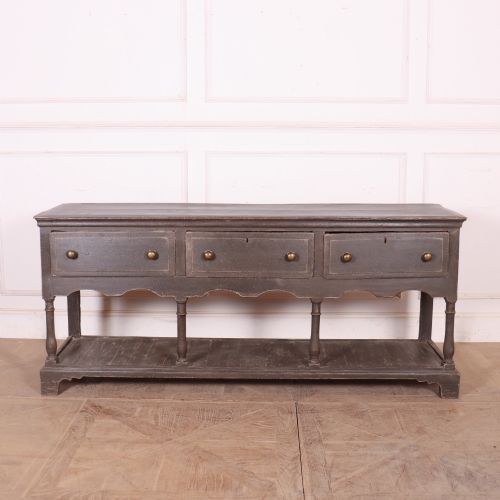


English Style Low Table
These english style low table pieces offer classic proportions and character for a living room, combining traditional craft with everyday utility.
English Style Low Table
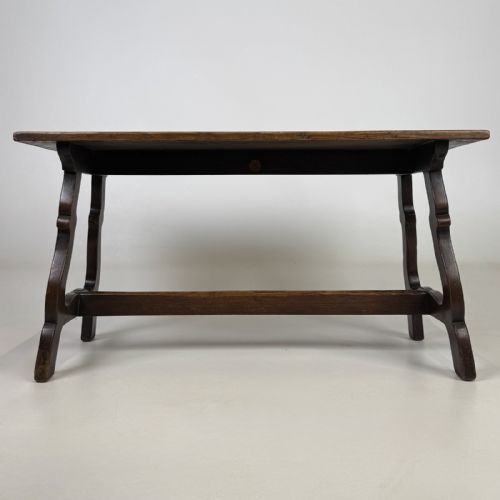
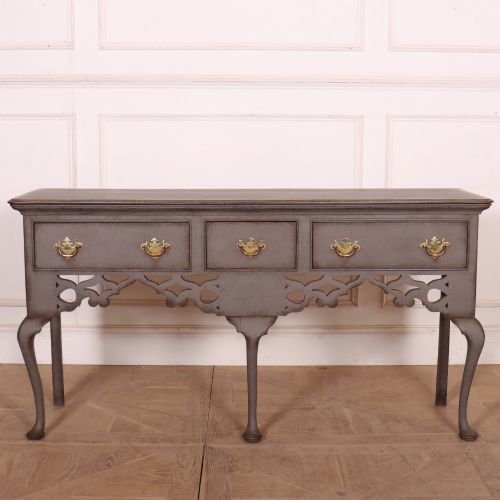
When you search for an english style low table, you encounter a mix of dedicated coffee tables, adapted dresser bases, stools, and tray tables spanning the eighteenth to the early twentieth century. These items bring traditional forms into domestic spaces, serving practical functions while displaying period characteristics.
Originating across different British periods, these low tables and stools reflect vernacular craftsmanship and country house tastes. Buyers find both purpose-built coffee tables and repurposed traditional furniture adapted to modern seating heights.
How they were made
Timber selection underpins these pieces, with solid oak and painted timber forming the primary structural basis for tables, bases, and stools. Workshops utilised traditional joinery methods to ensure stability, often pairing sturdy oak frames with panelled tops.
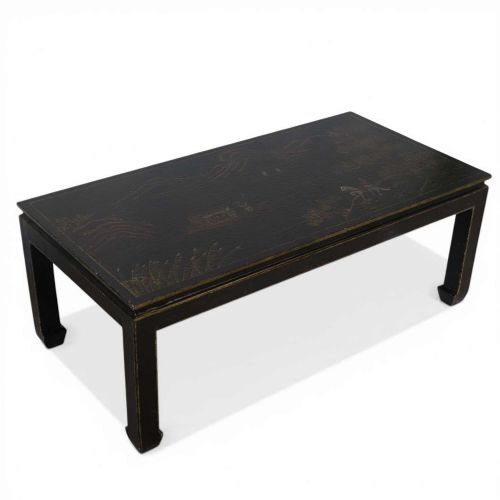
Surface decoration distinguishes several pieces in the inventory, employing decorative painted scenes, lacquer, and japanning techniques alongside brass hardware. Leather upholstery also appears on seating forms, adding texture and padding to footstools and ottomans.
English Style Low Table Retail Price Guide 2026
Typical asking prices for english style low table among the pieces listed under this phrase on Sellingantiques today, from the lower quarter to the upper quarter. They describe what is for sale here now, not the wider market.
Listings span periods from the eighteenth century through the Edwardian era up to nineteen thirty, utilising oak, brass, lacquer, and painted timber.
What varies in quality
The refinement of the surface decoration and the integrity of the timber separate standard examples from finer works. Pieces featuring detailed painted scenes or high quality lacquer demand greater skill from the maker than plain timber surfaces.
Structural proportion and the retention of original finish dictate the desirability of each piece. Tables and stools that maintain their authentic patination and period joinery represent the higher tier of craftsmanship.
The English Style Low Table Glossary
- Dresser base
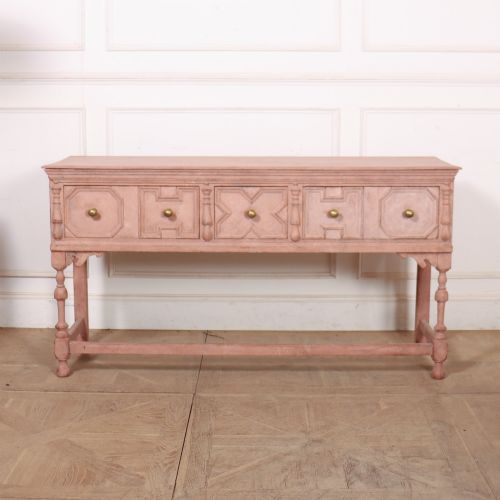
- The lower section of a traditional kitchen or dining room storage unit, frequently repurposed as a low table. These typically feature drawers and potboards.
- Japanning
- A European imitation of East Asian lacquerwork popular on decorative furniture. It involves layered varnish and painted scenes.
- Joint stool
- A sturdy wooden stool built with mortise and tenon joints held together by wooden pegs. They often serve as low display or seating surfaces.
- Potboard
- An open slatted lower shelf built into the base of a dresser or sideboard. It traditionally held pots and heavy kitchenware.
- Chinoiserie
- A European artistic style reflecting Chinese motifs and decorative scenes. It appears on lacquered and painted table surfaces.
English Style Low Table: Frequently Asked Questions
What is an english style low table?
These items encompass low-set coffee tables, tray tables, and adapted antique bases or stools from British traditions.
They bridge historical cabinet-making and contemporary living space requirements.
How were low tables used originally?
Many forms began as taller furniture such as dresser bases or as seating like joint stools and footstools.
Over time, makers and owners adapted their heights to serve as coffee or display tables.
What materials do these tables use?
Makers relied heavily on solid oak, painted timber, and wood with decorative lacquer.
Brass hardware and leather upholstery also appear across the selection.
How do I identify the period?
Dating relies on construction techniques, timber patination, and decorative styles such as Jacobean carving or Chinoiserie lacquer.
Comparing joinery details against known historical periods helps narrow down the era.