


English Style Furniture
English style furniture gathers centuries of craftsmanship, offering practical utility and enduring design through mahogany, oak, and walnut forms.
English Style Furniture
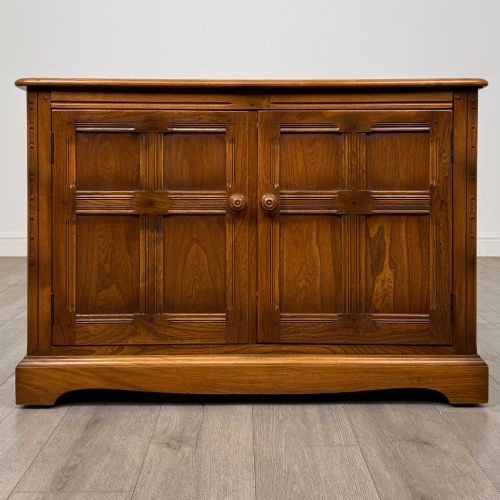
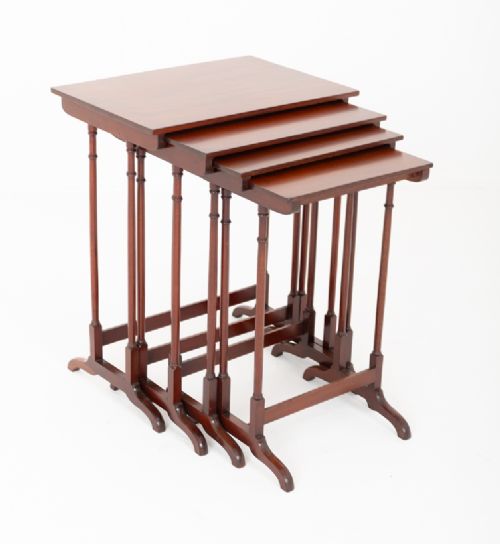
When searching for English style furniture, buyers encounter a diverse selection spanning from the seventeenth century to the twentieth century, featuring pieces designed for storage, seating, and display.
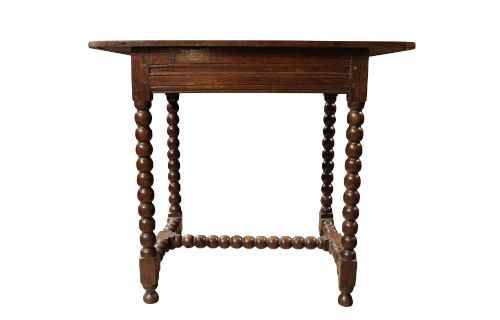
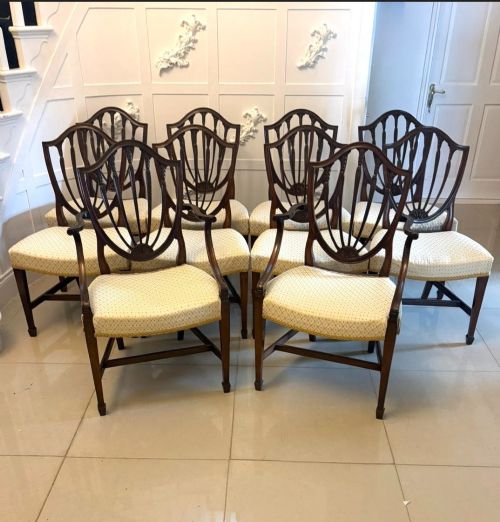
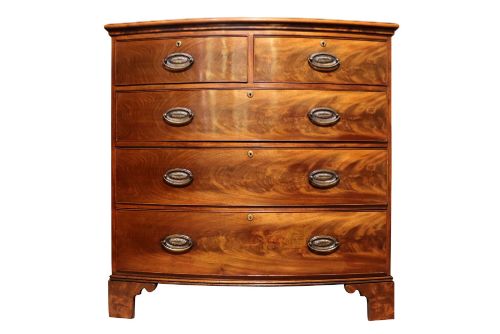
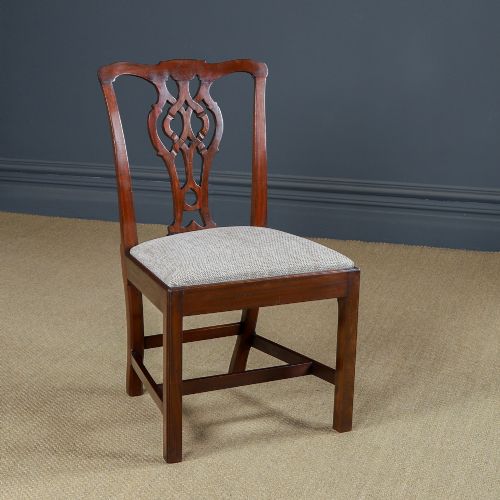
The most common forms on this page include dining chairs, chests of drawers, and side tables, reflecting traditional domestic needs across various historical periods.
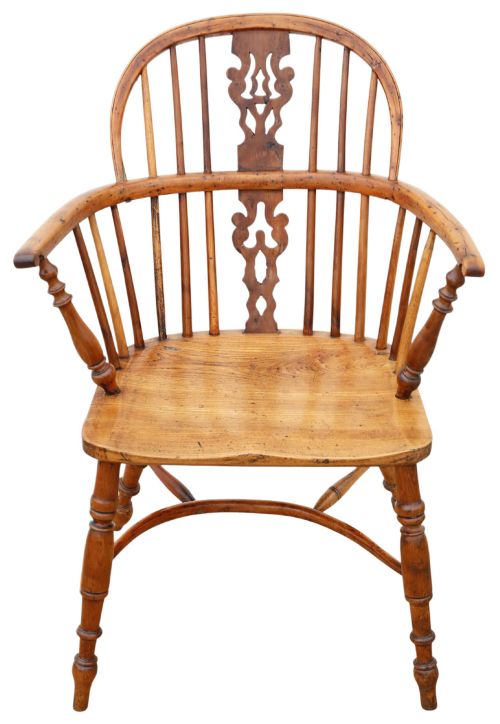
Makers and manufacturers produced these items using regional timbers like oak and yew wood, alongside imported mahogany, creating enduring pieces shaped by Georgian, Regency, and revival aesthetics.
How They Were Made
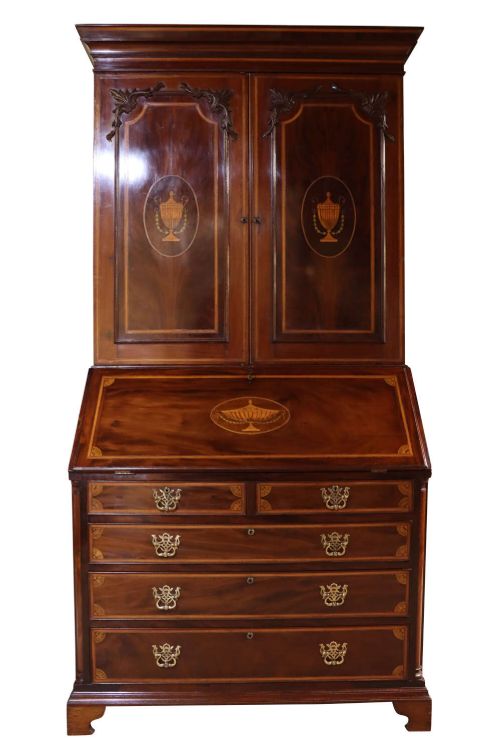
Cabinet makers utilised dense hardwoods such as mahogany, oak, and walnut, frequently applying satinwood veneers, marquetry, and brass hardware to enhance surfaces.
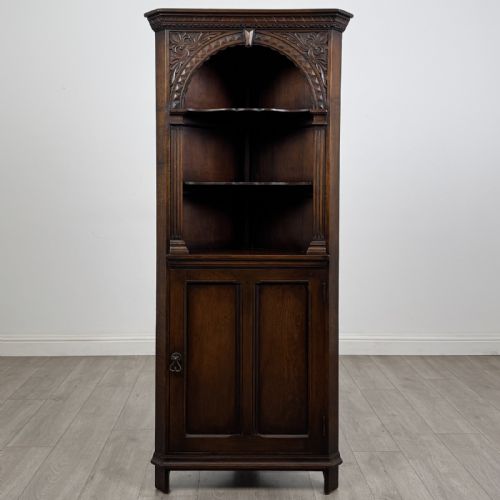
Construction techniques involved traditional joinery, turning, and carving, alongside painted finishes and lacquering seen in Chinoiserie examples.
English Style Furniture Retail Price Guide 2026
Typical asking prices for english style furniture among the pieces listed under this phrase on Sellingantiques today, from the lower quarter to the upper quarter. They describe what is for sale here now, not the wider market.
Listings feature items from the 17th Century through to the 1930s, constructed primarily in mahogany, oak, and yew wood.
What Varies in Quality
The standard of execution depends on the precision of the timber selection, the crispness of hand-carved details, and the integrity of the underlying joinery.
Finer examples demonstrate careful attention to proportion, polished patinas on woods like yew and pine, and well-preserved original hardware.
Maple and Co·Gillows
The English Style Furniture Glossary
- Mahogany
- A durable tropical timber widely utilised in eighteenth and nineteenth-century cabinet making for its rich reddish-brown tone and fine grain. It took fine carving and polishing exceptionally well.
- Oak
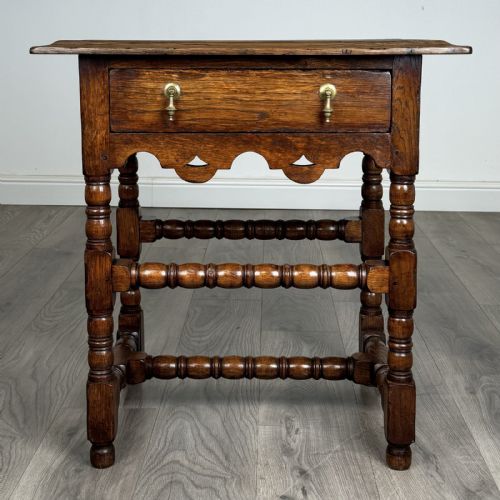
- A robust native hardwood employed extensively across early periods for framing, panelling, and storage furniture. Its strength suited sturdy tables, court cupboards, and joint stools.
- Regency
- A stylistic period spanning the early nineteenth century defined by neoclassical lines, ebonised finishes, and classical restraint. Pieces from this era often incorporated brass inlay and delicate leg forms.
- Gainsborough chair
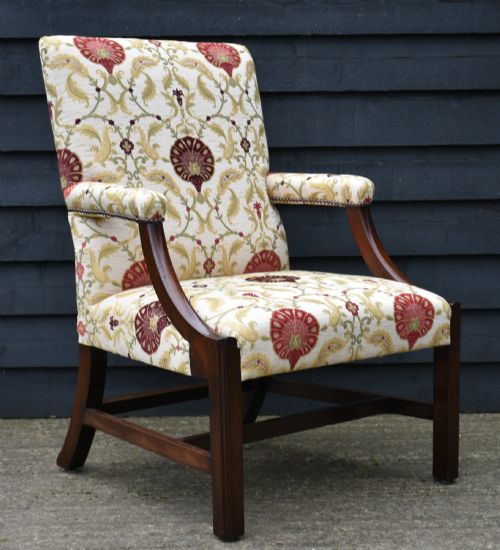
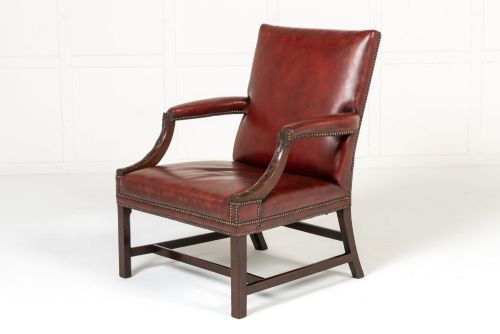
- A type of upholstered armchair featuring an open wooden frame, padded back, and armrests designed for a desk or drawing room. They frequently appeared in eighteenth-century mahogany.
- Bureau bookcase
- A combination writing desk and shelving unit featuring a fall-front flap that conceals pigeonholes and small drawers. These tall storage pieces combined practical workspace with display capacity.
English Style Furniture: Frequently Asked Questions
What is English style furniture?
English style furniture encompasses traditional domestic furnishings produced in Britain across multiple centuries, ranging from seventeenth-century oak seating to nineteenth-century mahogany chests of drawers and revival side tables.
These pieces reflect distinct periods like the Georgian and Regency eras, prioritising solid timber construction, functional storage forms, and classical decorative motifs.
How do I identify different periods?
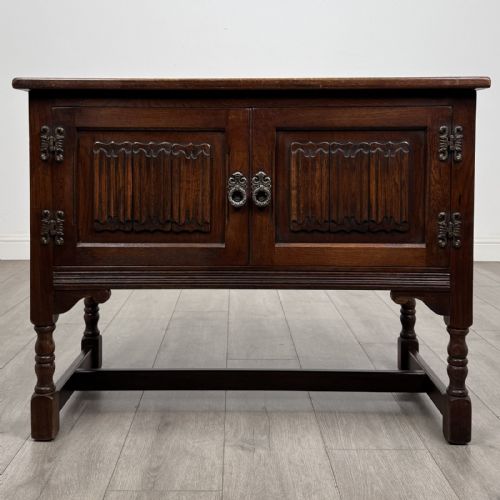
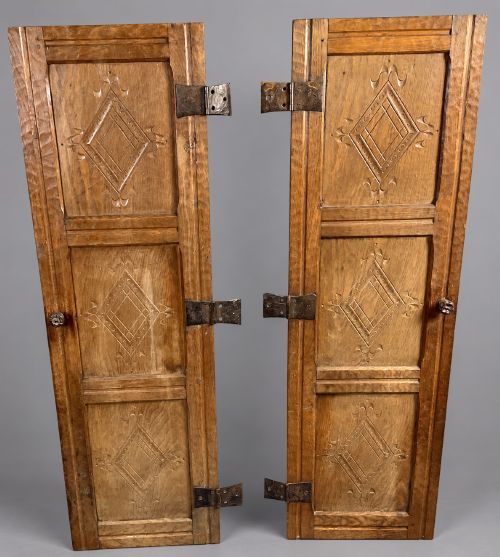
Identifying periods involves examining the primary wood used, the construction methods, and the decorative carving style. Early pieces favour solid oak with linenfold or panelled details, while eighteenth-century items often utilise mahogany and delicate cabriole legs.
Later nineteenth-century and revival pieces frequently combine earlier stylistic influences with machine-assisted joinery, brass mounts, and varied surface treatments like satinwood veneer.
How should I care for timber surfaces?
Timber surfaces require protection from direct sunlight and extreme temperature fluctuations to prevent the wood from drying out or warping. Regular dusting with a soft, dry cloth preserves the finish and natural patina of mahogany, oak, and walnut.
Application of traditional wax polish helps nourish older woods, maintaining their lustre without damaging the historical finish.