


English Style Cabinet
An English style cabinet brings centuries of tradition into a room, offering practical storage through timeless craftsmanship.
English Style Cabinet
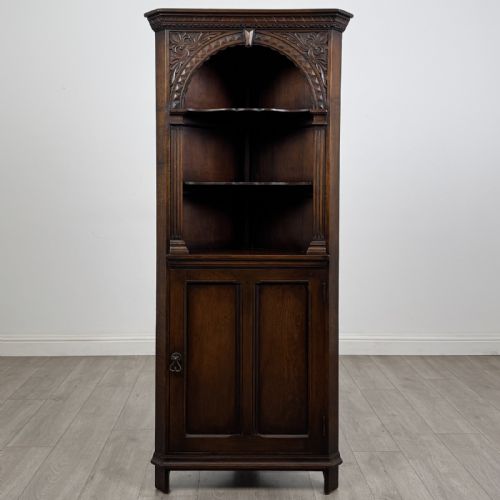
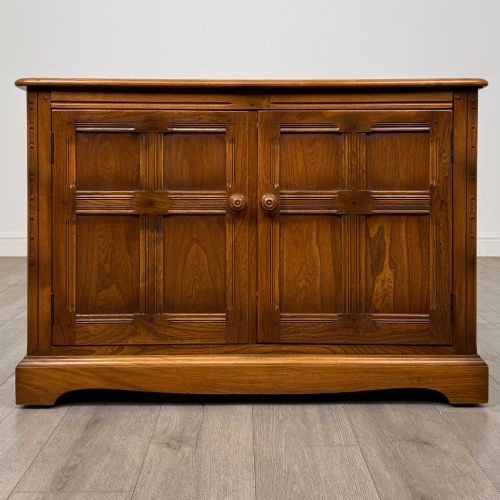
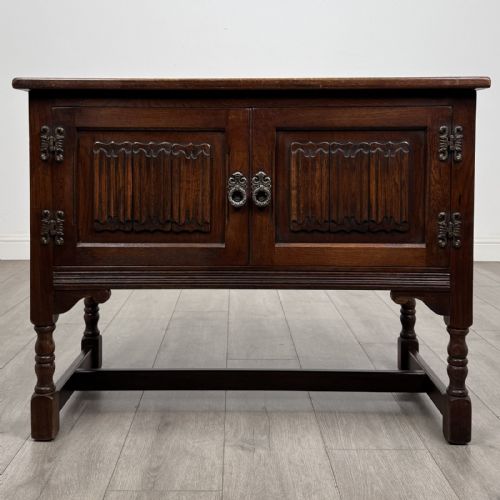
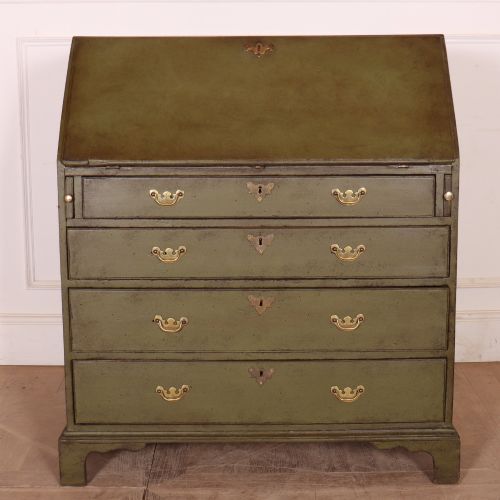
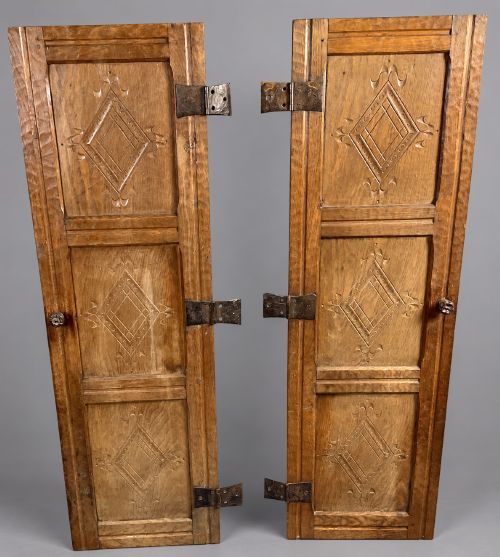
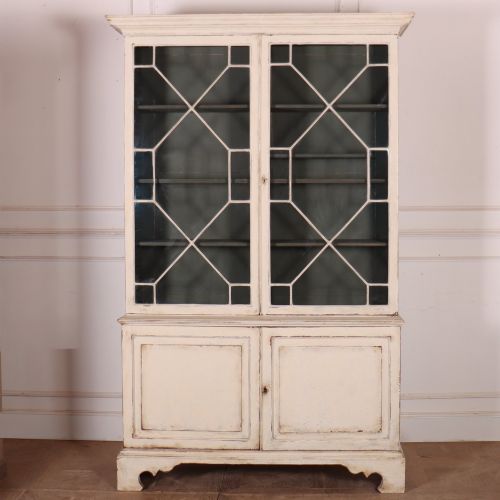
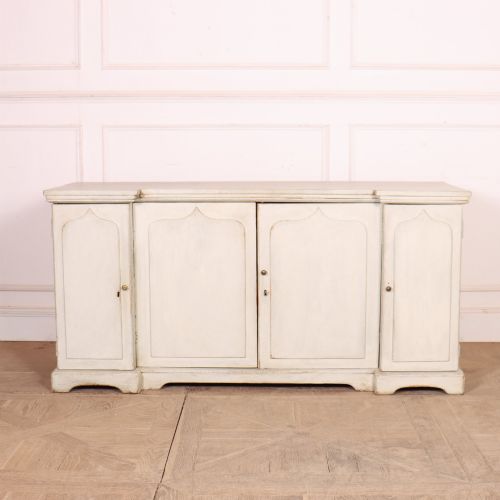
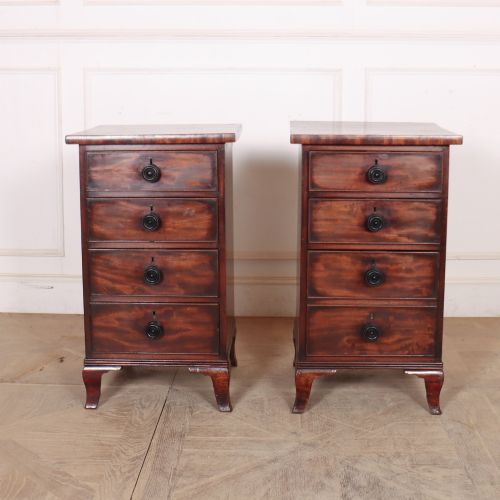
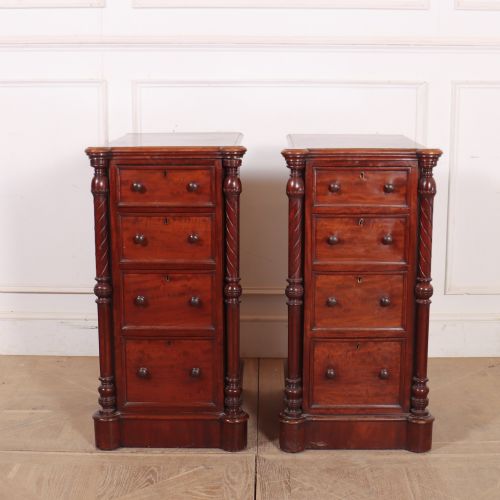
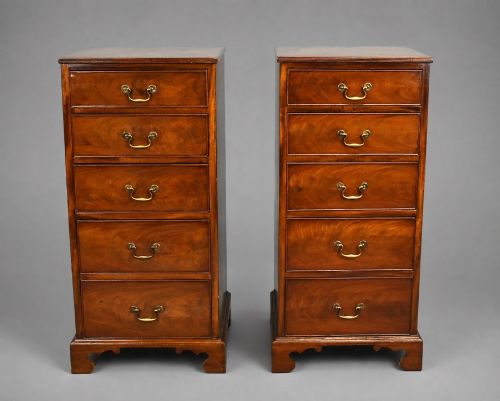
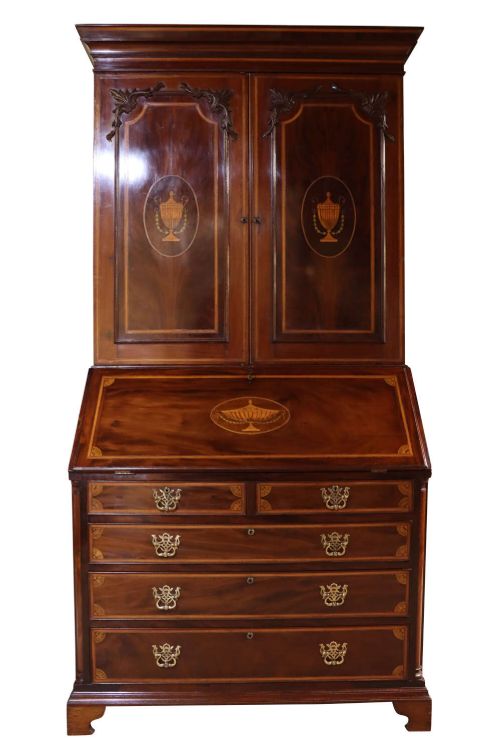
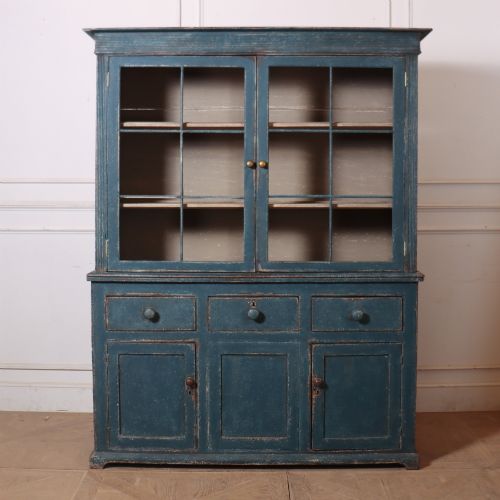
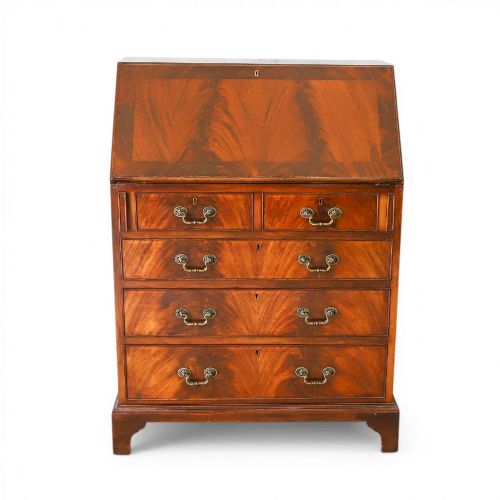
When searching for an english style cabinet, you encounter a variety of forms spanning multiple centuries, from 18th century painted pieces to 1930s mahogany items. These functional items include side cabinets, bookcases, bureaus, and cupboards rooted in traditional British cabinet-making.
The selection ranges from early oak court cupboards and linenfold designs to refined Regency rosewood sideboards and Edwardian golden oak cupboards. Most examples reflect established regional traditions and historical periods such as Georgian, Victorian, and William IV.
How they were made
Cabinet-makers relied heavily on solid timbers like oak and mahogany, often complemented by decorative elements such as brass hardware, glass panels, and intricate marquetry. Techniques varied from traditional joining on early oak furniture to sophisticated veneer work on later mahogany and rosewood pieces.
Painted finishes and specialised treatments like linenfold carving added distinct textures to functional storage items. Makers utilised durable construction methods to ensure these cabinets withstood daily use over generations.
English Style Cabinet Retail Price Guide 2026
Typical asking prices for english style cabinet among the pieces listed under this phrase on Sellingantiques today, from the lower quarter to the upper quarter. They describe what is for sale here now, not the wider market.
Listings feature oak, mahogany, and rosewood across periods from the 17th century through the 1930s, encompassing sideboards, bookcases, and food cupboards.
What varies in quality
Quality rests on the selection of timber and the precision of the joinery, distinguishing utilitarian storage from high-status furniture. Finer examples display carefully matched grain patterns, disciplined carving, and well-executed secondary woods within drawers and interiors.
The integrity of original brass fittings, glass panels, and surface patination further separates ordinary workshop output from superior cabinet-making. Pieces retaining their structural balance and period characteristics command greater appreciation.
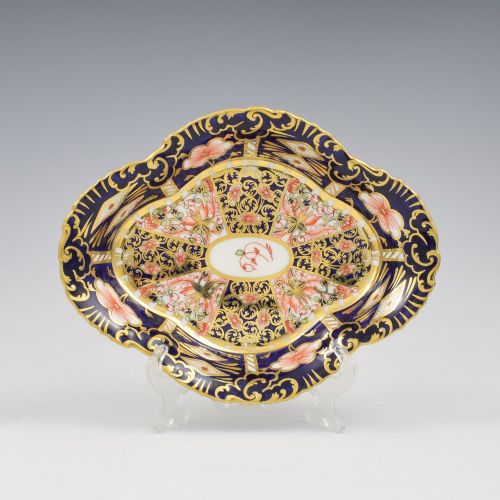
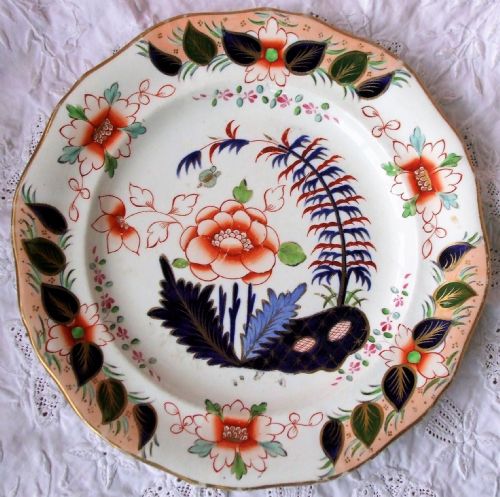
Royal Crown Derby·John Davenport of Longport·John Ridgway·C.J. Mason·Gillows
The English Style Cabinet Glossary
- Breakfront
- A piece of furniture with a central section that projects forward from the flanking sides. This layout creates visual depth and architectural presence in larger cabinets and bookcases.
- Linenfold
- A style of relief carving used on wooden panels to imitate folded linen fabric. It appears frequently on Tudor and Jacobean style oak cupboards.
- Secretaire
- A cabinet or desk featuring a pull-down writing flap that conceals a fitted interior of small drawers and pigeonholes. It combines the utility of a writing desk with enclosed shelving.
- Marquetry
- The art of applying pieces of veneer to a structure to form decorative patterns and pictures. Craftsmen utilised different coloured woods to achieve detailed surface ornamentation.
- Demi-lune
- A half-moon shape used for the tops and framing of side cabinets and console tables. This curved silhouette suits smaller spaces while maintaining traditional proportions.
English Style Cabinet: Frequently Asked Questions
What defines an english style cabinet?
These cabinets encompass traditional British storage forms built from periods spanning the 17th century through the 1930s. They utilise materials like oak, mahogany, and rosewood within established historical styles.
Designs range from plain utilitarian cupboards to ornate breakfront bookcases and inlaid bureaus. Each piece reflects the functional requirements and aesthetic preferences of its era of origin.
How do I date an antique cabinet?
Dating relies on examining the timber species, construction methods, and secondary woods used inside drawers or backing boards. Hardware styles, such as brass handles and hinges, also offer reliable clues to the period of manufacture.
Stylistic markers, whether Georgian proportions or Edwardian decorative doors, help narrow the timeframe. Comparing the construction details against known historical periods confirms the age of the piece.
Where were these cabinets used originally?
Original placements varied from formal libraries and drawing rooms to working kitchens and country house dining spaces. Bookcases and display cabinets served in reception rooms to house prized libraries and collections.
Cupboards and dressers functioned in domestic service areas and kitchens for storing provisions and tableware. Over time, many transitioned into principal living spaces for general display and storage.
How do I care for wooden cabinets?
Maintenance involves keeping wooden surfaces away from direct sunlight and maintaining stable indoor humidity to prevent timber splitting. Regular dusting with a soft, dry cloth preserves the finish and natural patination.
Avoid using harsh chemical polishes that can degrade historical finishes over time. Occasional gentle cleaning maintains the condition of both oak and mahogany surfaces.