


English Stick Back Chair
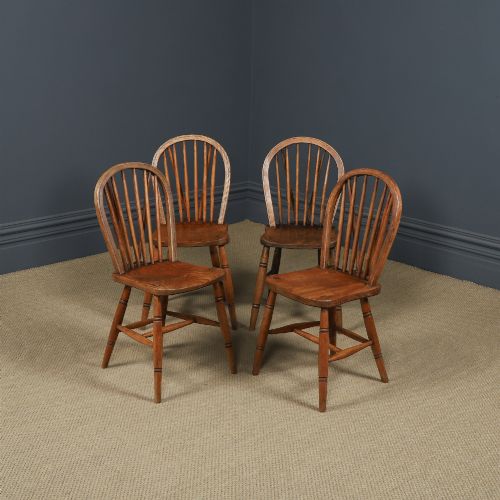
An english stick back chair offers honest vernacular seating, built from sturdy timbers like elm and ash for daily use.
English Stick Back Chair
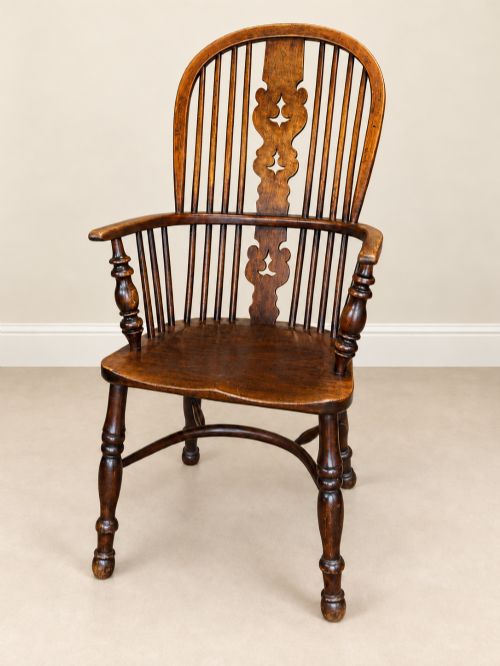
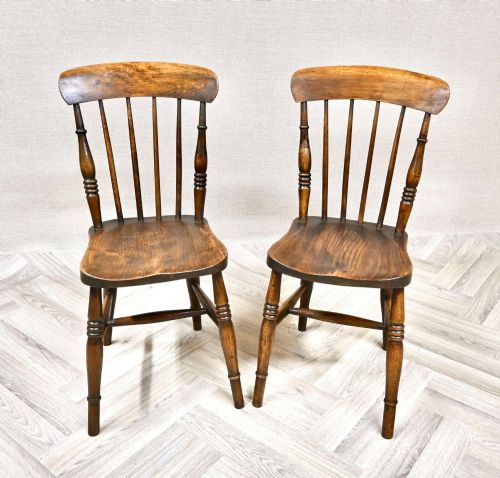
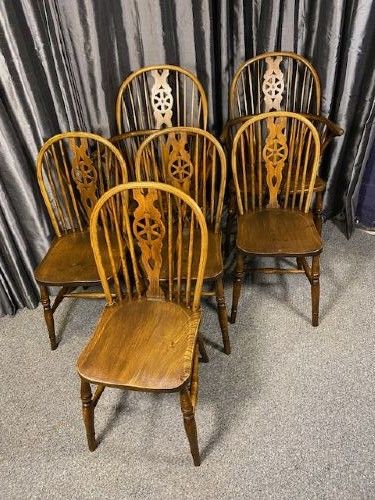
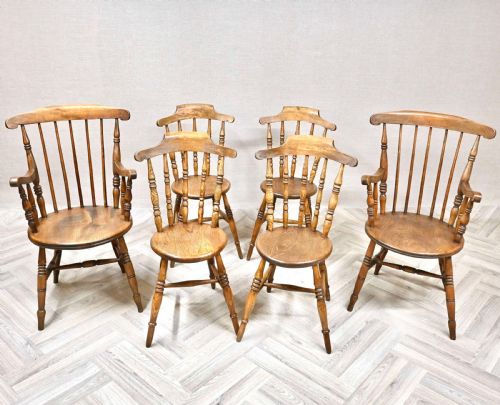
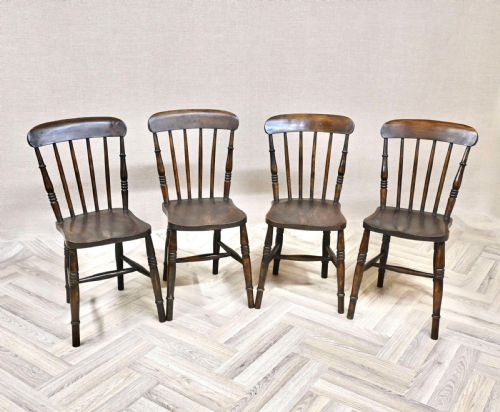
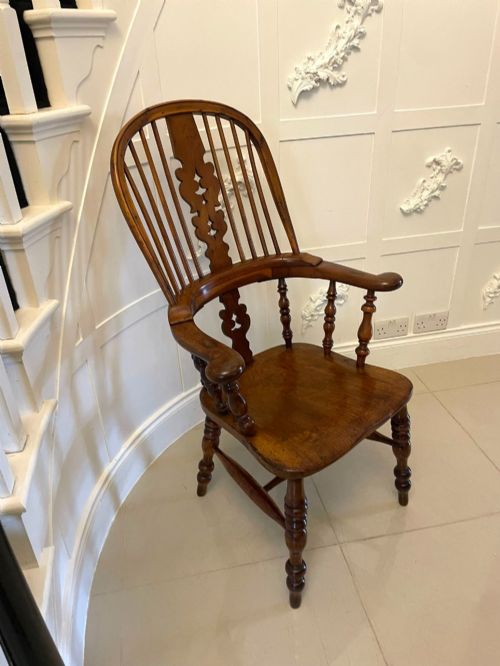
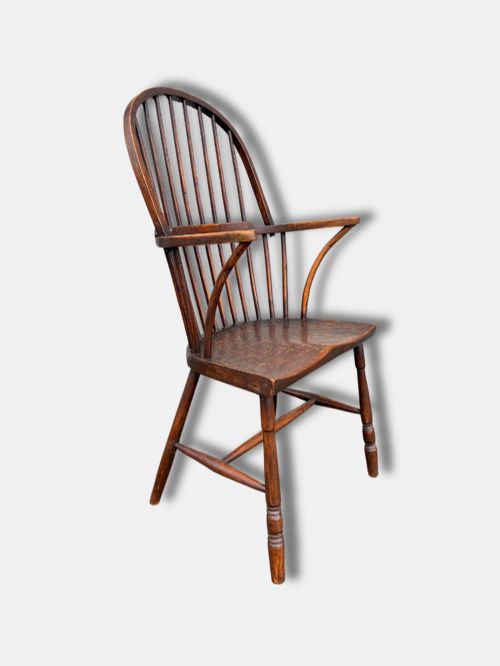
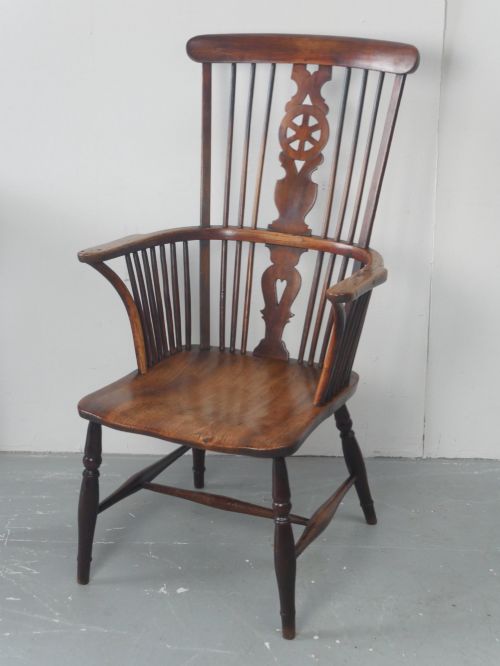
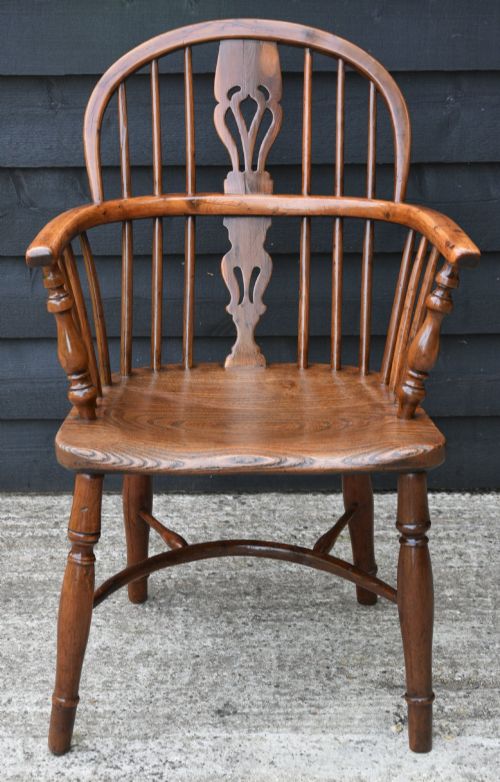
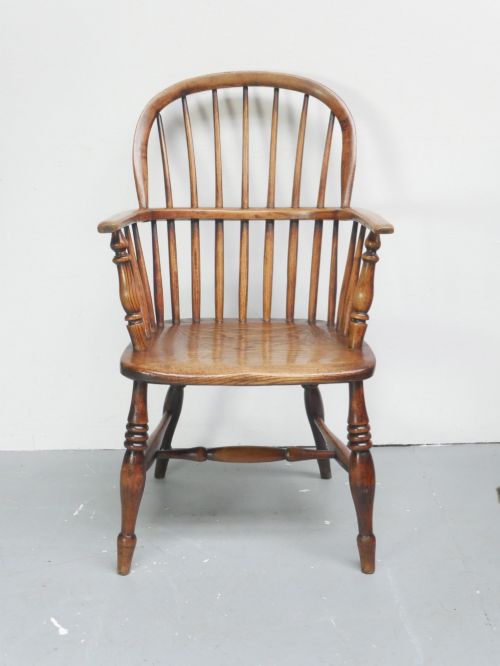
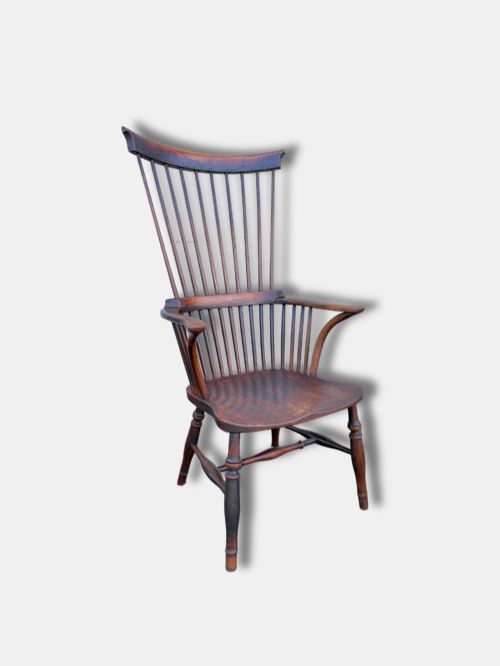
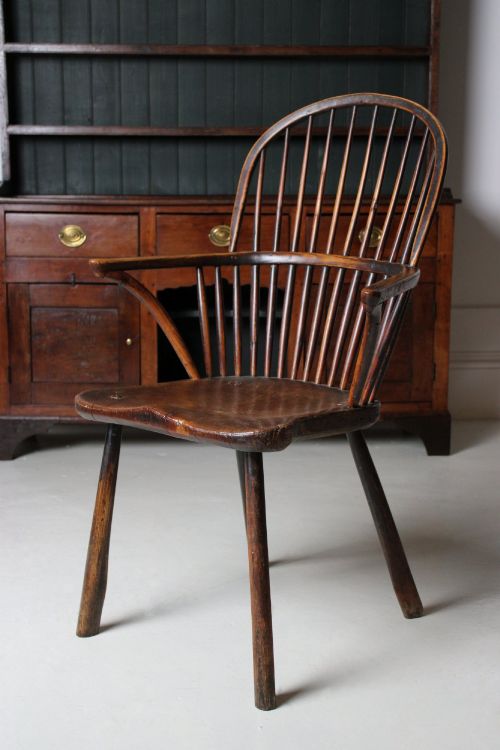
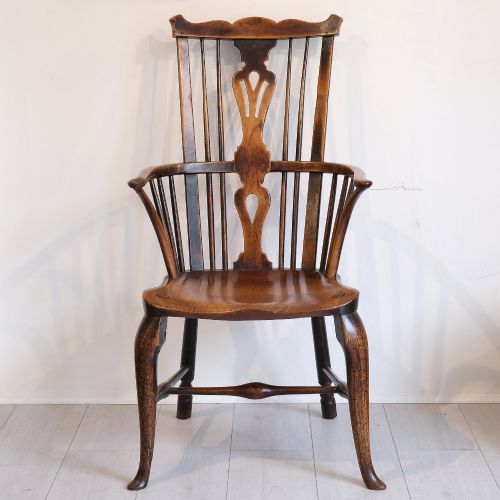
An english stick back chair brings utilitarian country seating into the home, originating from vernacular traditions across regional workshops. The most frequent examples on this page are Windsor chairs featuring hoop backs, comb backs, and stick supports from the eighteenth and nineteenth centuries.
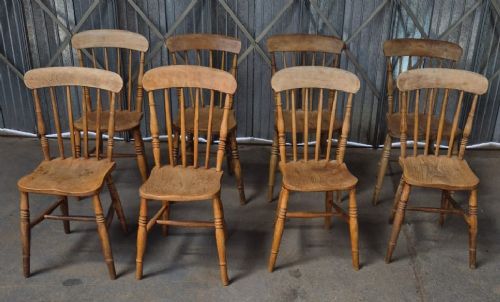
Makers built these pieces for dining rooms, kitchens, and farmhouses, using durable local timbers. Surviving examples range from single armchairs to large sets of dining chairs, alongside occasional miniature pieces.
How they were made
Cabinet makers and bodgers shaped these chairs using a combination of turned spindles and solid plank seats. Elm typically formed the saddle seats because its interlocking grain resisted splitting under pressure.
Benders steamed ash, beech, or yew to form the characteristic curved backs and hoops. Carpenters wedged the legs and spindles directly into bored holes through the seat plank for structural strength.
English Stick Back Chair Retail Price Guide 2026
Typical asking prices for english stick back chair among the pieces listed under this phrase on Sellingantiques today, from the lower quarter to the upper quarter. They describe what is for sale here now, not the wider market.
Materials recorded across the inventory include elm, ash, yew, beech, oak, and paint.
What varies in quality
The choice of timber heavily influences the character of each piece, with figured yew wood commanding particular attention compared to standard ash or beech. Proportions, such as the height of a comb back or the width of a broad arm, dictate the visual presence of the seating.
Original surface finishes, including early brown paint or patinated bare timber, determine the visual integrity of the piece. Regional turning details and the comfort sculpted into the solid elm seat distinguish standard utility items from finer vernacular examples.
John Brand of Sleaford·Gabbitass of Worksop
The English Stick Back Chair Glossary
- Comb back
- A Windsor chair variation where the vertical spindles extend through a horizontal crest rail, resembling the teeth of a comb.
- Hoop back
- A continuous bentwood bow forming the back and arms of a Windsor chair.
- Broad arm
- A widened wooden armrest designed on certain Windsor chairs to provide a writing surface or extra comfort.
- Vernacular
- Objects built by regional craftsmen following local traditions rather than strict academic design patterns.
- Bodger
- A woodland craftsman who turned chair legs and spindles on pole lathes near the source of timber.
English Stick Back Chair: Frequently Asked Questions
What is an english stick back chair?
An english stick back chair is a traditional wooden seat featuring turned spindles fitted into a solid plank saddle. These pieces developed in regional English workshops for practical domestic use.
They encompass various Windsor forms, including hoop backs and comb backs, constructed from native timbers such as elm, ash, and yew.
How do I date an antique stick back chair?
Dating relies on observing construction methods, tool marks, and timber selection. Earlier eighteenth-century examples often display deep saddle seats and thicker turned components.
Nineteenth-century variants frequently show standardised turning patterns and different assembly techniques as production scaled up in places like High Wycombe.
Are these chairs comfortable for daily use?
The solid elm seats are sculpted to fit the body, offering surprising ergonomic support despite the lack of upholstery. Their sturdy pegged construction makes them robust enough for regular dining and seating.
Placing them around a kitchen table or in a living space allows them to function just as makers intended centuries ago.
What woods were used to build them?
Craftsman selected native woods for specific structural properties. Elm provided a tough, non-split seat, while ash and beech supplied flexible strength for bent hoops and spindles.
Yew wood appeared on finer examples, prized for its rich grain and warm tone.