



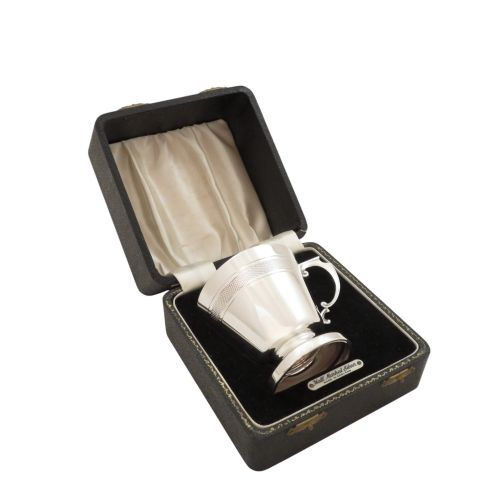
English Sterling Tankard
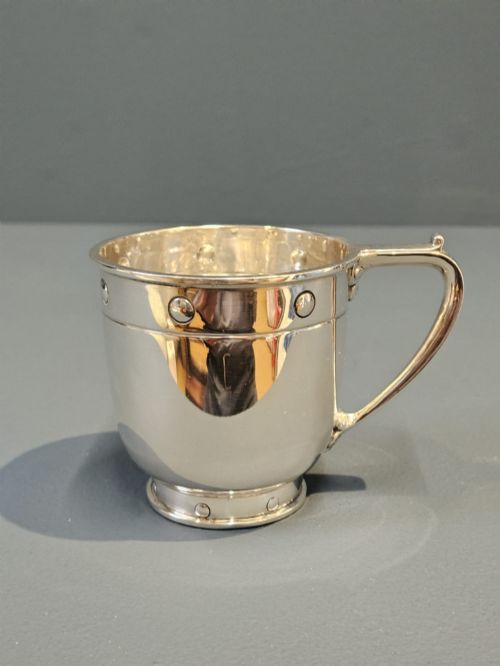
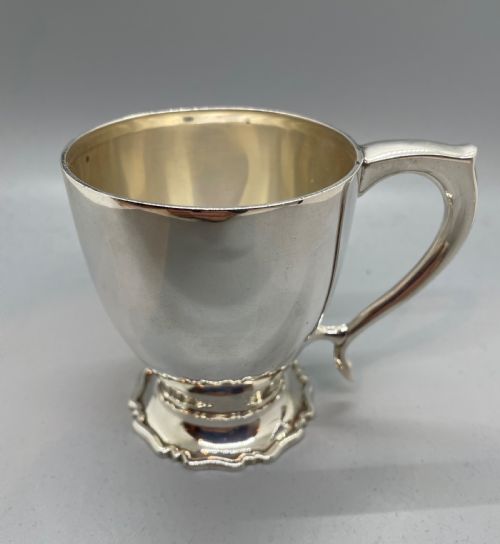
An english sterling tankard carries centuries of solid weight and bright reflection, offering a tangible link to historical domestic silver.
English Sterling Tankard
The versions most frequently met on this page range from early Georgian solid silver examples to later twentieth-century interpretations. These pieces encompass varied styles including George V, George IV, and older seventeenth-century forms.
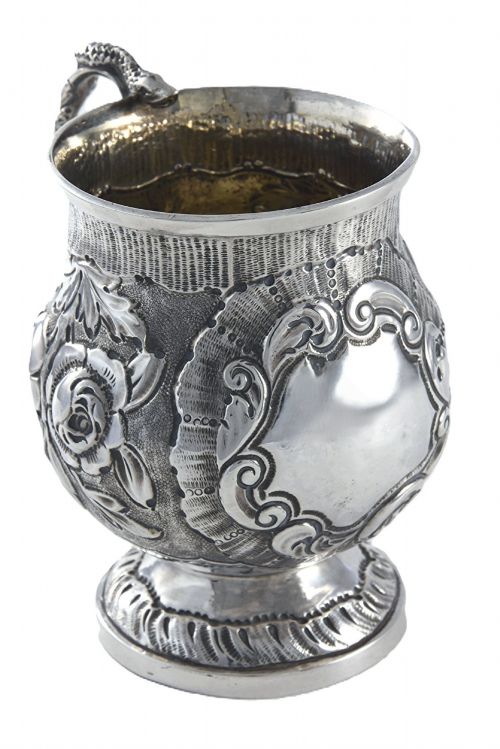
Makers produced these objects for both daily household use and ceremonial presentation, resulting in diverse proportions and surface decorations. Formats include plain bodies as well as engraved exterior surfaces.
Materials and construction methods
Silversmiths constructed these vessels primarily from solid sterling silver, occasionally incorporating interior silver-gilt finishes. Some vintage presentations include fitted cases lined with materials such as velvet and silk.
Production techniques relied on traditional smithing and raising methods, forming heavy sheet metal into sturdy cylindrical or slightly tapered bodies. Handles were securely attached to withstand regular lifting.
English Sterling Tankard Retail Price Guide 2026
Typical asking prices for english sterling tankard among the pieces listed under this phrase on Sellingantiques today, from the lower quarter to the upper quarter. They describe what is for sale here now, not the wider market.
Some tiny christening mugs spent their early days watching milk consumption rather than ale.
Assessing quality and craftsmanship
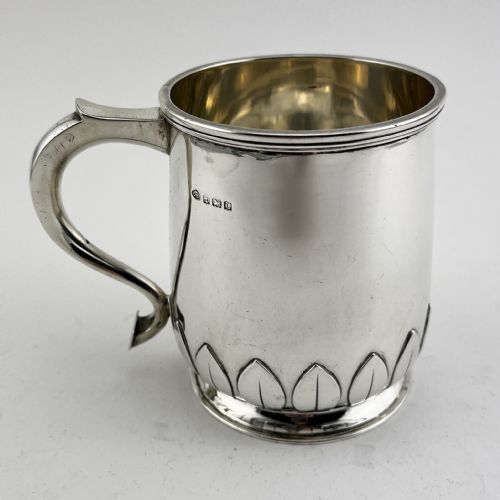
Quality differences rest in the crispness of hallmarks, the gauge of the silver used in the body, and the balance of the handle. Superior pieces maintain thick walls that resist denting and display precise hand-engraving.
The integrity of the construction and the legibility of the assay marks distinguish standard production items from finer masterwork examples. Original fitted cases and interior gilding further elevate the status of specific pieces.
Barker Bros·William Bateman
The English Sterling Tankard Glossary
- Sterling silver
- A silver alloy containing 92.5 percent pure silver and 7.5 percent other metals, usually copper. This standard ensures the durability required for functional drinking vessels.
- Silver-gilt
- Silver that has been coated with a thin layer of gold on its surface. This technique was often applied to the interior of mugs and tankards for aesthetic appeal and protection against tarnishing.
- Hallmark
- An official stamp applied to precious metals indicating the standard of purity, the assay office, and the date of manufacture. These marks provide essential historical documentation for antique silver.
- Christening mug
- A small mug traditionally given as a gift to mark the occasion of a child's baptism or birth. These smaller vessels form a significant portion of the domestic silver record.
English Sterling Tankard: Frequently Asked Questions
How were these silver vessels used?
These items served primarily as practical drinking vessels for ale, beer, or water before the widespread availability of cheap glass and ceramic alternatives. Larger examples sat on dining tables while smaller formats functioned as personal tableware.
Many smaller mugs served as gifts to commemorate births and christening ceremonies. Their robust construction ensured they could handle regular daily use without failing.
How do I identify the age of a tankard?
Age is determined by reading the official hallmarks stamped into the metal by an assay office. These marks include specific date letters, maker's marks, and standard purity symbols that correspond to historical records.
Stylistic cues such as the shape of the handle, the profile of the body, and the presence of hand engraving also point toward specific historical periods like the Georgian era or the seventeenth century.
How do I care for antique silver?
Proper care involves gentle cleaning with appropriate silver polishes and soft cloths to remove tarnish without abrading the surface. Avoid harsh chemical dips that can strip away the historical patina built up over generations.
When stored, keeping pieces in stable environments away from extreme humidity helps preserve both the silver and any associated materials like velvet or silk lining.